Are Dental Implants Worth the Investment? 8 Evidence-Based Reasons
Replacing a missing tooth goes beyond improving appearance. It affects how you eat, speak, and feel in everyday life. When patients begin exploring treatment options, one concern often comes first—cost. This leads to a common and important question: are dental implants worth the investment?
Dental implants should not be viewed as a cosmetic upgrade. They are a long-term investment in oral health, comfort, and overall quality of life. This article explains the financial, functional, and biological reasons dental implants often provide greater value than dentures or bridges, helping you make a confident and well-informed decision.
What Are Dental Implants and Why Are They Considered a Long-Term Solution?
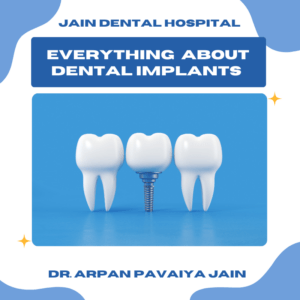
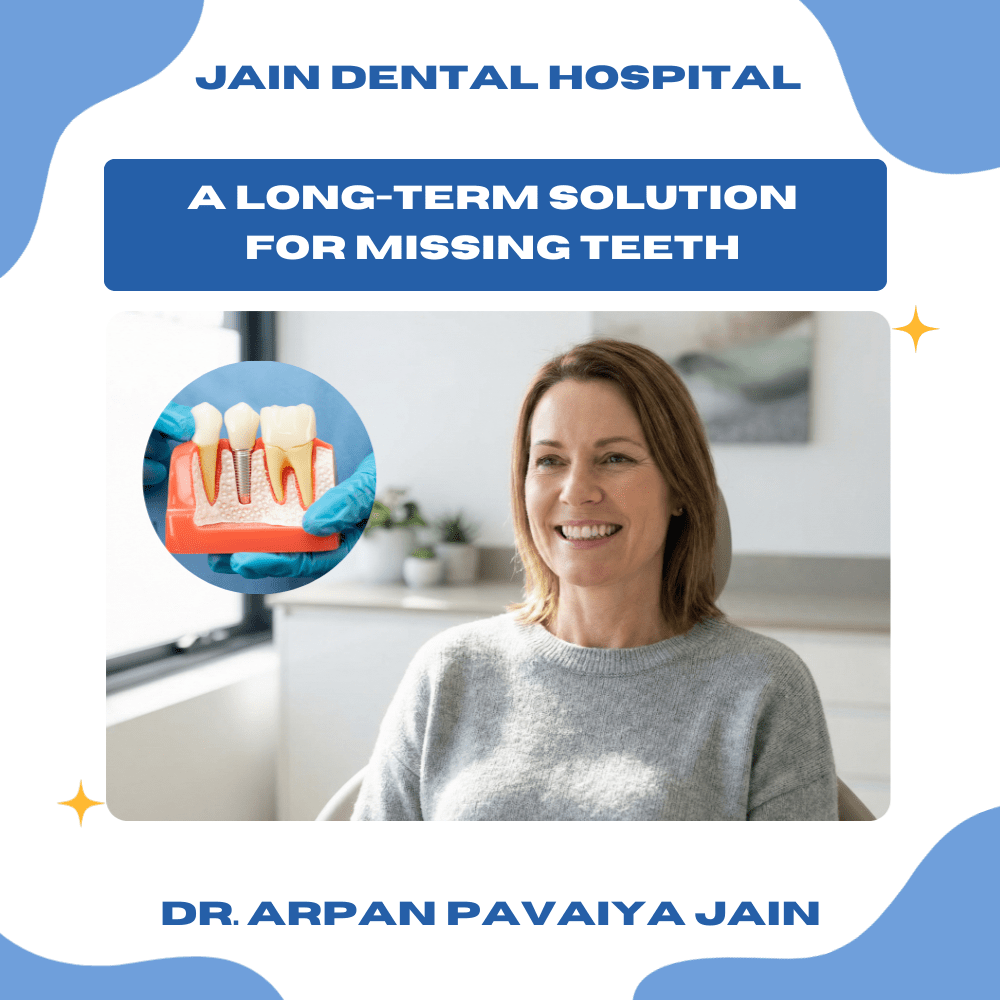
Dental implants are a modern tooth replacement solution designed to restore both the visible tooth and its root. Unlike traditional options, implants replace the entire tooth structure, creating a strong and stable foundation.
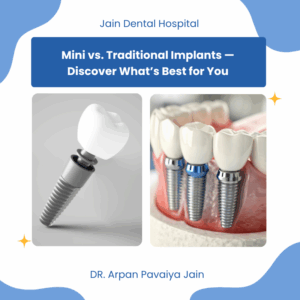
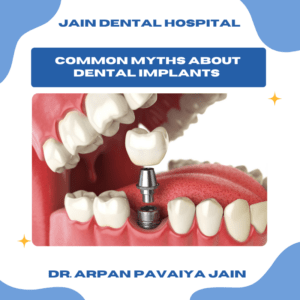
A dental implant system consists of three essential components:
- Implant post: A small titanium screw placed into the jawbone. It acts as an artificial tooth root and provides long-term stability.
- Abutment: This connector joins the implant post to the crown, ensuring a secure and precise fit.
- Crown: The visible tooth replacement, custom-made to match your natural teeth in color, shape, and size.
Through a natural process called osseointegration, the implant fuses with the jawbone, making dental implants the gold standard for missing tooth replacement in modern dentistry.
8 Reasons Dental Implants Worth the Investment
1. Dental Implants Are Built to Last for Decades
One of the most important reasons dental implants are worth the investment is their exceptional durability. They are designed to function like natural teeth for many years.
- Long lifespan: With proper oral hygiene and regular dental visits, implants can last 20–30 years or longer, often without needing replacement.
- High success rates: Dental implants have a success rate of over 95%, making them one of the most reliable dental procedures available.
- Fewer replacements: Unlike bridges or dentures, implants usually do not require frequent repairs or remakes.
When evaluated over time, implants offer a much lower cost per year of use, making them a smart long-term solution.
2. They Preserve Jawbone and Facial Structure
After tooth loss, the jawbone begins to shrink because it no longer receives stimulation. This bone loss can affect both oral health and facial appearance.
- Bone stimulation: Dental implants stimulate the jawbone during chewing, just like natural tooth roots, helping maintain bone density.
- Facial structure support: By preventing bone loss, implants help avoid sunken cheeks and premature facial aging.
- Long-term oral health: Preserving bone reduces the risk of future dental complications and bite changes.
This biological benefit is unique to implants and a key reason why they are worth the investment.
3. They Look, Feel, and Function Like Natural Teeth
Dental implants are designed to blend seamlessly with your natural smile. Most patients report that implants feel no different from their real teeth.
- Natural appearance: Custom crowns are crafted to match surrounding teeth, making implants virtually indistinguishable.
- Comfort and stability: Because implants are fixed in place, there is no slipping, clicking, or movement while eating or speaking.
- Improved confidence: Patients can smile, talk, and laugh without worrying about their teeth shifting.
This natural feel significantly improves daily comfort and self-confidence.
4. Long-Term Cost Effectiveness
While dental implants have a higher upfront cost, their long-term value often outweighs cheaper alternatives.
- Reduced maintenance costs: Dentures and bridges may need adjustments, repairs, or replacements over time. Implants rarely do.
- One-time investment: For many patients, implants are placed once and last for decades.
- Lower lifetime expense: When repeated costs are considered, implants often become the more economical choice.
Understanding dental implants cost vs value helps patients see beyond the initial price.
5. They Protect Adjacent Healthy Teeth
Preserving natural teeth is a core goal of modern dentistry, and implants support this principle.
- No grinding of nearby teeth: Dental bridges require shaping adjacent teeth, which can weaken them permanently.
- Independent support: Implants stand on their own and do not rely on surrounding teeth for stability.
- Better bite alignment: Maintaining natural tooth structure helps prevent uneven bite forces and future problems.
This makes implants a conservative and tooth-friendly option.
6. Improved Chewing Power and Dietary Freedom
Chewing efficiency directly impacts nutrition and overall health. Dental implants restore strong biting ability.
- Near-natural bite strength: Implants restore up to 90% of natural chewing power.
- Broader food choices: Patients can comfortably eat crunchy, chewy, and fibrous foods.
- Better digestion: Proper chewing supports digestion and nutrient absorption.
This functional improvement greatly enhances quality of life.
7. Low Maintenance and Easy Oral Hygiene
Dental implants fit naturally into everyday oral care routines, making them easy to maintain.
- Simple daily care: Implants are brushed and flossed like natural teeth.
- No special products: There is no need for adhesives, soaking solutions, or special cleaning tools.
- Healthier gums: Good hygiene around implants supports gum health and long-term success.
This simplicity is a major advantage over removable dentures.
8. Boost in Confidence, Speech, and Quality of Life
Missing teeth can affect speech clarity and self-esteem. Dental implants address both physical and emotional concerns.
- Clear speech: Fixed implants eliminate slurring or clicking sounds caused by loose dentures.
- Social confidence: Patients feel more comfortable in conversations, meetings, and social settings.
- Emotional well-being: Restoring a complete smile often improves overall confidence and mental comfort.
This quality-of-life improvement is often one of the most valued benefits.
Dental Implants vs Other Tooth Replacement Options
When comparing options, it is important to consider long-term outcomes rather than initial cost alone.
| Feature | Dental Implants | Dentures | Dental Bridges |
| Stability | Permanent, fixed | Removable | Fixed |
| Bone Preservation | Yes | No | No |
| Lifespan | 20–30+ years | 5–8 years | 5–10 years |
| Impact on Other Teeth | None | Minimal | Requires grinding |
| Long-Term Value | High | Lower | Moderate |
Are Dental Implants Worth the Cost for Everyone?
Dental implants are suitable for many patients, but proper evaluation is essential.
- Healthy gums and bone: Adequate bone support or grafting options are required.
- Controlled medical conditions: Conditions like diabetes must be well managed.
- Commitment to oral hygiene: Long-term success depends on proper care.
A professional consultation helps determine suitability and treatment planning.
Making Dental Implants More Affordable
Many dental practices offer flexible options to support patients financially.
- Payment plans and EMI options: Costs can be spread over manageable instalments.
- Insurance guidance: Some parts of treatment may be partially covered.
- Phased treatment: Procedures can be planned in stages to reduce immediate expenses.
Choosing an experienced implant dentist also reduces long-term risks and costs.
Conclusion: Are Dental Implants Worth the Investment?
When the full picture is considered, the answer to are dental implants worth the investment becomes clear. Dental implants do more than replace a missing tooth—they protect jawbone health, restore natural function, preserve surrounding teeth, and support long-term comfort and confidence.
For many patients, dental implants are not a short-term expense. They represent a long-term investment in oral health, stability, and quality of life, offering lasting value that extends well beyond the initial cost.
Frequently Asked Questions (FAQ)
Are dental implants permanent?
Dental implants are designed for long-term use and can last decades with proper care.
Do dental implants hurt?
The procedure is performed under anesthesia, and most patients experience mild discomfort during healing.
Are dental implants safe?
Yes. Dental implants are a well-researched and widely performed procedure with high success rates.
Are implants better than dentures?
In terms of stability, comfort, bone preservation, and long-term value, implants are generally superior.
How soon can I eat normally after implants?
Soft foods are recommended initially, with a gradual return to normal eating as healing progresses.
Schedule Your Consultation Today
Understand the True Value of Dental Implants—for You
If you’re weighing the cost vs long-term value of dental implants, the most important step is a personalized evaluation. The right choice depends on your oral health, bone condition, and long-term goals—not just price.
At Jain Dental Hospital, Dr. Arpan Pavaiya Jain and Dr. Rashi Agarwal Jain provide clear, evidence-based guidance to help you understand whether dental implants are truly worth the investment for your smile and oral health.
Book a dental implant consultation today and make a confident, informed decision about your long-term tooth replacement.
📞 Call: +91-9582535204
🌐 Visit: www.jaindentistdelhi.com

Dr. Arpan Pavaiya Jain, Director of Jain Dental Hospital, Indirapuram, Ghaziabad is a renowned Prosthodontist and Implantologist with over 20 years of expertise in advanced dentistry. A graduate of the prestigious King George’s Medical College Lucknow, he has performed more than 20,000 successful dental implant procedures. Dr. Jain leads a team of skilled professionals, offering state-of-the-art treatments in dental implants, clear aligners, cosmetic dentistry, orthodontics, and more. Known for his personalized care and commitment to excellence, he has earned a reputation as a trusted dental expert in Indirapuram, Ghaziabad.