Cost of Dental Implants: What Factors Affect the Price?
For many, the journey toward restoring a complete smile begins with a single, pressing question: “Why do dental implants seem so expensive?” When you begin researching tooth replacement options, the price disparity you encounter can be confusing. You might see one clinic offering a “budget” rate while another provides a significantly higher estimate for what appears to be the same procedure.
It is essential to understand from the outset that the cost of a dental implant is not a fixed commodity like a retail product. Instead, it is a reflection of a sophisticated medical procedure that combines high-grade biocompatible materials, advanced digital planning, and the clinical expertise of a surgical specialist. Unlike temporary solutions, an implant is a long-term medical investment designed to integrate with your biology.
In this comprehensive guide, we will pull back the curtain on dental implant pricing. Our goal is to provide you with the clarity needed to transition from “How much does it cost?” to “What am is the value of my investment?” By the end of this article, you will understand exactly what goes into a professional fee and how to evaluate the long-term benefits of quality care over the short-term appeal of the lowest price.
What Are Dental Implants and What Does the Cost Typically Include?
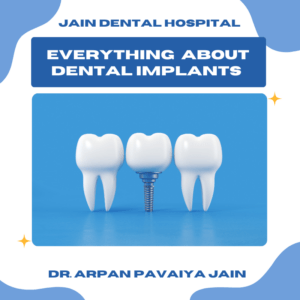
Before diving into the variables of pricing, we must define what you are actually purchasing. A dental implant is not just a “new tooth”; it is a three-part prosthetic system designed to mimic the entire structure of a natural tooth, from root to crown.
What a Dental Implant Treatment Actually Consists of
When you receive a cost estimate, it typically covers a multi-stage process involving several components and clinical steps:
- The Implant Fixture (The Root): This is a small, screw-like post made of medical-grade titanium or zirconia. It is surgically placed into the jawbone to act as a sturdy anchor.
- The Abutment (The Connector): Once the implant has integrated with the bone, a connector piece called an abutment is attached. This serves as the “post” that will hold your new tooth in place.
- The Final Crown or Prosthesis: This is the visible part of the tooth. It is custom-crafted to match the color, shape, and size of your surrounding natural teeth.
- Diagnostic Scans & Planning: High-resolution 3D imaging (CBCT) and digital impressions are required to map out your anatomy and ensure safe placement away from nerves and sinuses.
- Surgical Placement & Aftercare: This includes the sterile surgical environment, local anesthesia, the surgeon’s time, and the follow-up appointments necessary to monitor healing and osseointegration (the process of bone fusing to the implant).
Average Dental Implant Cost Range
While prices vary significantly based on location and complexity, a single dental implant in India typically ranges from ₹20,000 to ₹80,000. Internationally, such as in the US or Australia, these costs can be several times higher.
The reason fixed prices are rarely advertised is that no two mouths are identical. One patient may have perfect bone density, while another may require preparatory treatments that change the financial scope of the procedure.
Key Factors That Affect the Cost of Dental Implants
Understanding the “why” behind the price requires looking at the ten primary variables that reputable dentists use to calculate a fair and transparent estimate.
1. Number of Implants Required
The most obvious factor is the scale of the restoration. Replacing one tooth is a different clinical undertaking than replacing an entire arch.
- Single Tooth Replacement: Requires one fixture, one abutment, and one crown. This is the most straightforward scenario.
- Multiple Missing Teeth: If you are missing three teeth in a row, you might not need three individual implants. A dental bridge supported by two implants can often fill the gap, which optimizes the cost.
- Full-Mouth Rehabilitation: For patients missing most or all teeth, techniques like All-on-4 or All-on-6 treatments concepts are commonly used. These involve placing a specific number of implants to support a full fixed bridge, providing stability without needing an implant for every single missing tooth.
2. Type & Quality of Dental Implant Material
Not all “titanium” is created equal. The purity and grade of the material directly impact how well your body accepts the implant.
- Titanium Implants: The “gold standard” used for decades. It is incredibly strong, biocompatible, and has a proven track record of fusing with bone.
- Zirconia Implants: A metal-free, ceramic alternative often chosen for patients with thin gum tissue or metal sensitivities. While aesthetically superior in some cases, they are generally more expensive to manufacture.
- Surface Technology: Premium implants often feature patented surface treatments designed to speed up healing (osseointegration). These advanced surfaces increase the success rate but also add to the manufacturing cost.
3. Implant Brand & Manufacturer
The dental industry has “generic” options and “pioneer” brands. Choosing a globally recognized brand like Straumann, Nobel Biocare, or BioHorizon often comes with a higher price tag for several reasons:
- Extensive Clinical Research: These companies spend significant investment in long‑term clinical research to ensure their implants last for 20+ years.
- Global Compatibility: If you receive a premium implant in India and move to the UK or USA, any dentist there will have the specific tools and components to service that brand.
- Warranties: Major brands often offer extended or lifetime warranties on the implant fixture, subject to brand and clinic terms, providing peace of mind that generic brands cannot match.
4. Bone Quality and Jaw Condition
For an implant to be successful, it must be surrounded by healthy, dense bone.
- Role of Bone Volume: If a tooth has been missing for a long time, the bone in that area naturally shrinks (resorption). If there isn’t enough bone to “grip” the implant, the procedure cannot proceed safely.
- Mandatory Imaging: This is why 3D CBCT scans are strongly recommended in modern implant dentistry. They allow the dentist to measure bone height and width to the millimeter before the surgery even begins.
5. Additional Pre-Implant Procedures
If your jaw or gums aren’t ready for an implant, preparatory surgeries may be required. These are common but do add to the total investment.
- Bone Grafting: Adding natural or synthetic bone minerals to strengthen the implant site.
- Sinus Lift: In the upper jaw, if the sinus cavity is too close to the site, the sinus floor is gently “lifted” to make room for bone and the implant.
- Tooth Extractions: If a damaged tooth is still in place, it must be professionally removed before the implant can be seated.
- Gum Disease Treatment: Implants cannot be placed in an infected environment. Addressing periodontitis (gum disease) is essential for preventing implant failure.
6. Type of Implant Placement Technique
Technology has moved beyond “free-hand” surgery. While traditional methods are still used, many modern clinics utilize Computer-Guided Surgery.
- Digital Planning: Using software to create a 3D “surgical guide” (a template) that fits over your teeth during surgery.
- Precision and Safety: This guide ensures the implant goes into the exact pre-planned position, avoiding vital structures and significantly reducing surgical time and post-operative discomfort. The cost of the software and 3D printing for these guides is reflected in the final fee.
7. Type of Crown or Prosthesis
The crown is the “art” of the procedure. Its material determines how natural your smile looks and how well you can chew.
- Zirconia or All-Ceramic: These offer the best aesthetics and strength, closely mimicking the translucency of natural enamel.
- Metal-Ceramic (PFM): A more traditional, cost-effective option, though sometimes a dark line can appear at the gumline over time.
- CAD-CAM Fabrication: Modern crowns are often milled by computers for a “perfect fit,” which is superior to hand-made versions but requires more expensive lab technology.
8. Experience and Expertise of the Dentist
You aren’t just paying for the titanium; you are paying for the skill of the person placing it.
- Specialized Training: A dentist who has performed thousands of implants and invested in advanced surgical fellowships will have higher professional fees than a general practitioner.
- Complication Management: Expert surgeons are trained to handle the unexpected—such as hidden nerve paths or thin bone—ensuring the implant doesn’t fail. Remember, the most expensive implant is the one that has to be done twice because it failed the first time.
9. Technology and Clinic Infrastructure
A clinic that invests in the latest safety and diagnostic tools will naturally have higher overhead.
- In-House Labs and 3D Imaging: Having a CBCT scanner on-site means you don’t have to visit a separate radiology center, but it represents a significant investment for the clinic.
- Sterilization Standards: Rigorous, hospital-grade sterilization protocols are mandatory for surgical success, and maintaining these high standards is a core part of the procedural cost.
10. Geographic Location
Finally, where the clinic is located plays a role.
Metro vs. Non-Metro: Clinic in major metropolitan areas (like Delhi, Mumbai, or Bangalore) often have higher operational costs, such as rent and specialized staff salaries, compared to smaller towns. However, these hubs also attract the most experienced specialists and the latest technology.
Comparison: Dental Implants vs. Traditional Options
When evaluating cost, it helps to compare the “Total Cost of Ownership” over 10 to 15 years.
| Feature | Dental Implant | Dental Bridge | Dentures |
| Lifespan (on an average) | 25+ years (often a lifetime) | 7–10 years | 5–7 years |
| Bone Health | Preserves jawbone | Bone continues to shrink | Bone continues to shrink |
| Neighboring Teeth | No impact on other teeth | Requires grinding down healthy teeth | Can cause wear on anchor teeth |
| Long-Term Cost | High upfront, low maintenance | Lower upfront, requires replacement | Lowest upfront, frequent adjustments |
Verdict: While bridges and dentures have a lower entry price, the need for repeated replacements and the potential for bone loss often make them more expensive in the long run.
Are Dental Implants Worth the Cost?
The value of an implant extends beyond just “filling a gap.”
- Chewing Efficiency: Unlike dentures, which can slip, implants allow you to eat all your favorite foods (like apples or nuts) with total confidence.
- Bone Preservation: Implants are the most effective tooth replacement option for preserving jawbone volume, preventing the “sunken look” that occurs after tooth loss.
- Psychological Well-being: The ability to speak and smile without fear of a prosthesis moving is life-changing for many patients.
Can Costs Be Safely Reduced?
You should never “bargain hunt” for surgery, but there are ethical ways to make treatment more manageable:
- Phased Treatment: In some cases, preparatory work (like bone grafting) can be done months before the implant to spread out the financial commitment.
- Financing and EMI: Many reputable clinics offer 0% interest EMI (Equated Monthly Installment) plans, allowing you to pay for your smile over 6 to 12 months.
- Insurance: While not all plans cover implants, some do cover the “restorative” part (the crown), which can reduce your out-of-pocket expenses.
How to Get an Accurate Estimate
An online quote is never a substitute for a clinical evaluation. To get a transparent breakdown, you need:
- In-Person Consultation: For a physical exam of your gums and bite.
- 3D CBCT Scan: To measure your bone density and plan the surgery digitally.
- Written Plan: A clear document showing the cost of the implant, the crown, and any necessary preparatory steps.
Conclusion: Know in short what affects the price of Dental Implants
The cost of dental implants is not a fixed price—it depends on important factors such as your bone health, the type and quality of implant used, whether additional procedures are needed, and the experience of the dentist placing the implant. Because every mouth is different, treatment costs can vary from one patient to another.
Rather than focusing only on the upfront price, it’s important to consider the long-term value. Dental implants are designed to last for decades, preserve jawbone health, and function like natural teeth, often making them a more cost-effective solution over time compared to bridges or dentures.
Frequently Asked Questions (FAQ)
Why do dental implant prices vary so much?
Pricing varies because it accounts for the brand of the implant, the complexity of your bone structure, the material of the final crown, and the expertise of the surgeon. No two cases are identical.
Is bone grafting always required?
No. Bone grafting is only necessary if you lack sufficient bone volume to support the implant. This is determined via a 3D CBCT scan.
Are cheaper implants safe?
“Cheaper” often means generic brands with less clinical research or a lack of computer-guided precision. While they may work initially, premium brands offer better long-term success rates and global support.
How long do dental implants last?
With proper oral hygiene and regular check-ups, a dental implant can last 25 years to a lifetime. The crown on top may need replacement after 15 years due to normal wear.
Does insurance cover the cost?
Many health insurance providers in India are starting to cover dental implants if the tooth loss was due to an accident, and some dental-specific plans cover a portion of the prosthesis.
Schedule Your Consultation Today
Understand the Real Cost of Dental Implants—Before You Decide
If you’re researching the cost of dental implants, it’s important to look beyond online price ranges. Implant costs vary based on factors such as bone health, implant type, technology used, and the expertise of the treating dentist. A personalized evaluation is the only way to understand what your treatment may truly involve—and why.
At Jain Dental Hospital, Dr. Arpan Pavaiya Jain and Dr. Rashi Agarwal Jain take a transparent, evidence-based approach to implant care. We help you clearly understand the factors affecting dental implant pricing, expected outcomes, and long-term value—so you can make an informed decision with confidence.
Schedule a dental implant consultation to receive a clear treatment plan and realistic cost guidance tailored to your oral health needs.
📞 Call: +91-9582535204
🌐 Visit: www.jaindentistdelhi.com

Dr. Arpan Pavaiya Jain, Director of Jain Dental Hospital, Indirapuram, Ghaziabad is a renowned Prosthodontist and Implantologist with over 20 years of expertise in advanced dentistry. A graduate of the prestigious King George’s Medical College Lucknow, he has performed more than 20,000 successful dental implant procedures. Dr. Jain leads a team of skilled professionals, offering state-of-the-art treatments in dental implants, clear aligners, cosmetic dentistry, orthodontics, and more. Known for his personalized care and commitment to excellence, he has earned a reputation as a trusted dental expert in Indirapuram, Ghaziabad.