Your Ultimate Guide to Daily Oral Hygiene Habits
Maintaining daily oral hygiene habits is a cornerstone of your overall well-being. The small habits you practice every day directly influence your long-term dental health. While it might seem like a minor part of your daily routine, consistent oral care prevents serious issues down the line. In fact, research shows a strong connection between oral health and conditions like heart disease and diabetes, making your daily habits more important than you might think.
This guide will walk you through everything you need to know about building an effective oral care routine. We will cover the core pillars of daily hygiene, from proper brushing to flossing, and explore additional habits that can strengthen your teeth and gums. You will learn how to adapt your routine for different life stages and avoid common mistakes that could harm your dental health. By the end, you will have a clear, actionable plan to protect your smile for years to come.
Why Daily Oral Hygiene Matters
Your mouth is a window to your overall health. The bacteria in your mouth can travel through your bloodstream to other parts of your body, contributing to serious health issues. Keeping your mouth clean is about more than just having a bright smile; it’s a crucial part of preventive healthcare.
- Connection to Overall Health: Poor oral hygiene has been linked to several systemic conditions. Bacteria from gum infections can enter the bloodstream and contribute to cardiovascular disease, stroke, and pneumonia. For individuals with conditions like diabetes, poor oral health can make it more difficult to control blood sugar levels.
- Preventing Common Dental Issues: Daily care is your first line of defense against cavities, gum disease (gingivitis), and persistent bad breath (halitosis). These problems are caused by plaque, a sticky film of bacteria that builds up on teeth. Without regular removal, plaque hardens into tartar, which can only be removed by a dental professional.
- The Value of Preventive Care: Investing a few minutes each day in your oral hygiene can save you from costly and uncomfortable dental treatments in the future. Fillings, root canals, and gum disease treatments are far more expensive and invasive than the simple act of daily brushing and flossing.
The Core Pillars of an Effective Oral Hygiene Habits
A strong oral care routine is built on a few essential daily habits. Mastering these four pillars will set you on the path to lifelong dental health.
1) Brushing Technique
Brushing is the foundation of any good oral hygiene plan. It removes plaque and food debris from the surfaces of your teeth.
- Frequency: Brush your teeth at least twice a day, once in the morning and once before bed.
- Technique: Use a soft-bristled toothbrush. Hold it at a 45-degree angle to your gums and use gentle, short strokes. This angle helps clean the gumline, where plaque often accumulates.
- Duration: Brush for a full two minutes each time to ensure you clean every surface of every tooth.
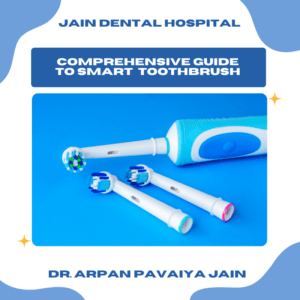
- Manual vs. Electric: Both manual and electric toothbrushes are effective if used correctly. However, many people find that electric toothbrushes, often with built-in timers, make it easier to brush thoroughly and for the recommended amount of time.
2) Choosing the Right Toothpaste
The toothpaste aisle can be overwhelming, but the most important ingredient to look for is fluoride. Fluoride strengthens tooth enamel and helps prevent cavities. Depending on your needs, you can also look for toothpastes that offer:
- Sensitivity relief: For those with sensitive teeth.
- Whitening: To help remove surface stains.
- Enamel protection: To guard against erosion from acidic foods.
3) Flossing Daily
Brushing alone cannot clean the tight spaces between your teeth. This is where flossing becomes essential.
- Importance: Flossing removes plaque and food particles from areas your toothbrush can’t reach, preventing cavities and gum disease from starting between your teeth.
- Method: Take about 18 inches of floss and wrap it around your middle fingers. Guide the floss gently between your teeth. Curve it into a “C” shape against one tooth and slide it up and down. Repeat on the adjacent tooth.
- Alternatives: If you find traditional floss difficult to use, water flossers or floss picks are great alternatives. While water flossers are excellent at removing larger debris, they do not remove the sticky plaque film as effectively as string floss.
Using Mouthwash Correctly
Mouthwash can be a helpful addition to your routine, but it should never replace brushing or flossing.
- Alcohol vs. Alcohol-Free: Alcohol-free mouthwashes are generally recommended as they are less likely to cause dry mouth.
- When to Use: Use mouthwash at a different time than brushing. For example, use it after lunch to freshen your breath. Using it immediately after brushing can wash away the concentrated fluoride from your toothpaste.
Additional Healthy Habits to Strengthen Your Daily Oral Hygiene Habits
Beyond the core pillars, these habits can further improve your dental health.
- Clean Your Tongue: Your tongue can harbor bacteria that cause bad breath. Use a tongue scraper or your toothbrush to gently clean your tongue daily.
- Stay Hydrated: Drinking plenty of water helps wash away food particles and supports saliva production. Saliva is your mouth’s natural defense against acid and bacteria.
- Limit Sugary and Acidic Foods: Sugar feeds the bacteria that cause cavities. Acidic foods and drinks can erode tooth enamel.
- Rinse After Meals: If you can’t brush after a meal, rinsing your mouth with water can help wash away food debris and neutralize acids.
Daily Oral Health Habits for Every Age Group
Oral hygiene needs change throughout life. Here’s how to adapt your routine.
- Children: Make brushing fun with colorful toothbrushes and flavored toothpaste. Supervise them to ensure they use a pea-sized amount of fluoride toothpaste and brush correctly.
- Teens: Caring for braces or aligners requires extra attention. It’s also a crucial time to manage the consumption of sugary snacks and soft drinks.
- Adults: Stress can lead to teeth grinding, and habits like smoking can significantly harm your teeth and gums. Be mindful of these factors and discuss them with your dentist.
- Seniors: Gum recession and caring for dentures or implants become more common. Regular dental visits are vital to manage these changes.
Common Oral Hygiene Mistakes to Avoid
- Brushing Too Hard: Aggressive brushing can damage your gums and tooth enamel. Use gentle pressure.
- Using an Old Toothbrush: Replace your toothbrush or brush head every three months. Frayed bristles are not effective at cleaning.
- Skipping Flossing: Many people skip this step, but it is essential for cleaning between the teeth.
- Brushing Right After Acidic Foods: Wait at least 30 minutes after consuming acidic foods or drinks before brushing. Brushing immediately can rub the acid into your enamel.
When to See a Dentist
Your daily routine is only one part of the equation. Professional dental care is equally important.
- Regular Check-ups: Visit your dentist for a check-up and professional cleaning at least twice a year.
- Warning Signs: Schedule an appointment if you experience persistent tooth sensitivity, bleeding gums, loose teeth, or chronic bad breath.
- Early Diagnosis: Regular visits allow your dentist to catch problems early, when they are easier and less expensive to treat.
Your Path to a Healthier Smile
Maintaining excellent oral health is a lifelong commitment, not a one-time effort. By integrating these daily habits into your routine, you can protect your teeth and gums from disease and decay. Start with small, consistent improvements, and remember that each positive action you take contributes to a healthier smile and a healthier you.
Frequently Asked Questions
- How often should I brush my teeth each day?
You should brush your teeth at least twice a day, once in the morning and once before bed. Brushing before sleep is very important because it removes plaque and bacteria that accumulate throughout the day. - What is the correct way to brush for best results?
Hold your toothbrush at a 45-degree angle to your gums and use gentle, short strokes. Make sure to brush the outer, inner, and chewing surfaces of all teeth for at least 2 minutes. Avoid brushing too hard to protect your enamel and gums. - Do I really need to floss every day?
Yes. Flossing removes plaque and food particles from areas your toothbrush can’t reach, especially between teeth. Skipping flossing allows bacteria to build up, increasing the risk of cavities and gum disease. - Which toothpaste is best for daily use?
Choose a toothpaste that contains fluoride, which strengthens enamel and prevents cavities. If you have specific concerns like sensitivity or enamel erosion, select a formula designed for that need. - Should I use mouthwash every day?
Mouthwash is a helpful addition to your oral care routine, especially for reducing bacteria and freshening breath. However, it should not replace brushing or flossing. Alcohol-free mouthwash is generally gentler on gums. - How often should I change my toothbrush?
Replace your toothbrush or brush head every 3 months, or sooner if the bristles become frayed. Worn-out bristles lose effectiveness and can irritate your gums. - Why is tongue cleaning important?
The tongue can trap bacteria and food debris, contributing to bad breath and plaque buildup. Gently scrape or brush your tongue daily to maintain fresh breath and a cleaner mouth. - What foods should I avoid to protect my oral health?
Limit sugary snacks, soft drinks, sticky sweets, and highly acidic foods. These foods feed harmful bacteria and can weaken enamel, increasing the risk of cavities and sensitivity. - Can drinking more water improve oral hygiene?
Yes. Water helps wash away food particles, supports healthy saliva production, and lowers the mouth’s acidity. Staying hydrated is one of the simplest ways to support daily oral hygiene.
10. How often should I visit the dentist for check-ups?
Most people should visit a dentist every six months for an exam and professional cleaning. If you have ongoing gum problems, braces, or medical conditions, your dentist may recommend more frequent visits.
Schedule Your Consultation Today
Build Strong Daily Habits. Protect Your Smile for Life.
Now that you understand the essential daily oral hygiene habits—and how small, consistent actions can dramatically improve your long-term dental health—take the next step toward a cleaner, healthier, and brighter smile.
At Jain Dental Hospital, Indirapuram, Ghaziabad, we help individuals and families strengthen their at-home dental routines with expert preventive care, personalized guidance, and modern, patient-friendly techniques.
Whether you’re looking to improve your brushing habits, manage sensitivity, prevent plaque buildup, or create a healthier routine for your children, our team is here to support you every step of the way.
Led by Dr. Arpan Pavaiya Jain, and Dr. Rashi Agarwal Jain we focus on evidence-based preventive dentistry, gentle treatments, and clear explanations—so you always understand your oral health and feel confident about the choices you make.
Strong daily habits start with the right guidance. Let us help you keep your smile healthy for years to come.
📞 Call +91-9582535204
🌐 Visit www.jaindentistdelhi.com
Schedule your preventive dental check-up today and build a stronger oral care routine with expert support.

Dr. Arpan Pavaiya Jain, Director of Jain Dental Hospital, Indirapuram, Ghaziabad is a renowned Prosthodontist and Implantologist with over 20 years of expertise in advanced dentistry. A graduate of the prestigious King George’s Medical College Lucknow, he has performed more than 20,000 successful dental implant procedures. Dr. Jain leads a team of skilled professionals, offering state-of-the-art treatments in dental implants, clear aligners, cosmetic dentistry, orthodontics, and more. Known for his personalized care and commitment to excellence, he has earned a reputation as a trusted dental expert in Indirapuram, Ghaziabad.