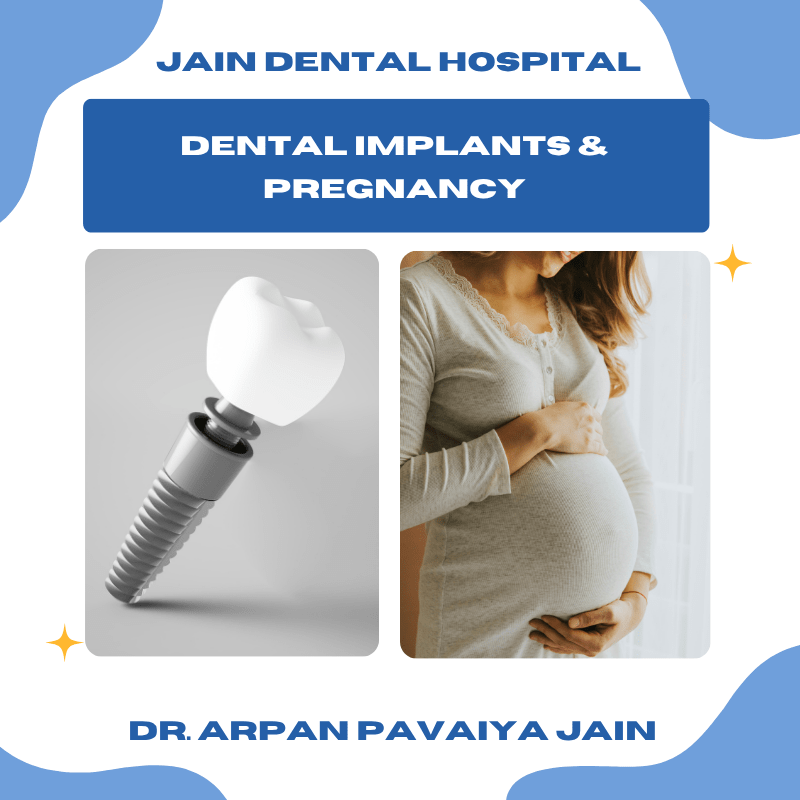
Dental Implants and Pregnancy: What Expecting Mothers Need to Know
Pregnancy brings many changes to your body, including some you might not expect—like shifts in your oral health. Morning sickness, hormonal fluctuations, and increased blood flow can make your gums more sensitive and prone to inflammation. If you’re dealing with a missing tooth during this time, you might wonder whether dental implants are a safe option.
The short answer? Most dental professionals recommend waiting until after delivery. While dental implants are a highly effective long-term solution for tooth loss, the procedure involves surgery, anesthesia, and healing time—factors that require careful consideration during pregnancy. This guide will walk you through everything you need to know about dental implants and pregnancy, including why timing matters, what’s safe, and how to maintain excellent oral health while you wait.
Can You Get Dental Implants While Pregnant?
Dental implants involve surgically placing a titanium post into your jawbone, which acts as an artificial tooth root. Over time, the bone fuses with the implant in a process called osseointegration, creating a stable foundation for a replacement tooth.
While dental implants aren’t an absolute contraindication during pregnancy, most dentists advise postponing the procedure until after your baby arrives. Here’s why:
- Surgical risks: Any surgery during pregnancy carries potential complications. Although dental implant placement is relatively minor compared to other procedures, avoiding elective surgery reduces unnecessary risks to both you and your developing baby.
- Medication concerns: Post-surgery, patients typically need antibiotics to prevent infection and pain relievers for comfort. Many of these medications are not recommended during pregnancy, limiting your treatment options if complications arise.
- Hormonal fluctuations: Pregnancy hormones can affect bone healing and osseointegration. These changes may influence how well the implant integrates with your jawbone, potentially affecting the success of the procedure.
- Stress factors: Managing the physical and emotional demands of pregnancy is challenging enough. Adding the stress of an elective surgical procedure can increase anxiety levels, which may affect both maternal and fetal well-being.
Understanding the Dental Implant Procedure
Before diving deeper into pregnancy-specific concerns, it helps to understand what the dental implant process entails.
The procedure typically involves three main stages:
- Initial consultation and planning: Your dentist evaluates your oral health, takes X-rays, and creates a treatment plan tailored to your needs.
- Surgical placement: The titanium implant post is surgically inserted into your jawbone. This requires local anesthesia and, in some cases, sedation.
- Healing and restoration: After the implant is placed, your jawbone needs several months to heal and fuse with the implant. Once healed, an artificial tooth (crown) is attached to the implant.
Each stage requires careful monitoring, follow-up appointments, and sometimes additional procedures like bone grafting if your jawbone lacks sufficient density.
Why Most Dentists Recommend Waiting Until After Delivery
The American College of Obstetricians and Gynecologists (ACOG) and the American Dental Association (ADA) encourage pregnant women to maintain regular preventive dental care, including cleanings and checkups. Emergency treatments like fillings or root canals are sometimes necessary and can be performed safely during pregnancy.
However, elective procedures like dental implants fall into a different category. Here are the primary reasons dental professionals recommend waiting:
Avoiding unnecessary interventions: Since dental implants are considered elective, there’s no medical urgency to proceed during pregnancy. Waiting eliminates potential risks without compromising your long-term oral health.
Protecting fetal development: The first trimester is a critical period for your baby’s organ development. While second-trimester procedures are generally safer, most dentists prefer to err on the side of caution and postpone non-essential treatments.
Reducing infection risk: Pregnancy can temporarily weaken your immune system, making you more susceptible to infections. If an infection develops after implant surgery, treatment options may be limited due to medication restrictions.
Minimizing discomfort: Pregnancy already brings physical discomfort—swollen ankles, back pain, and fatigue. Adding post-surgical discomfort into the mix is best avoided when possible.
Is It Safe to Have Dental X-Rays During Pregnancy?
Dental X-rays are an essential part of the implant planning process. Your dentist needs detailed images of your jawbone to determine the best placement for the implant and assess whether additional procedures like bone grafting are necessary.
The good news? According to the ADA and ACOG, dental X-rays can be safe during pregnancy when proper precautions are taken. Modern dental X-ray equipment uses very low levels of radiation, and protective measures—such as lead aprons and thyroid collars—further minimize exposure to your developing baby.
That said, many dental professionals prefer to postpone non-urgent X-rays until after the first trimester or after delivery, especially if the procedure can wait. If X-rays are deemed necessary during pregnancy, your dentist will use the lowest effective dose and ensure all safety protocols are followed.
Key takeaway: Dental X-rays are generally safe with proper shielding, but they can often be delayed until after pregnancy for elective procedures like dental implants.
Local Anesthesia and Medication Safety Considerations
Anesthesia and medications used during and after dental implant surgery require careful consideration during pregnancy.
Which Local Anesthetics Are Considered Safe?
Local anesthetics like lidocaine are generally considered safe for use during pregnancy. These medications numb the treatment area without affecting consciousness, making them suitable for routine dental procedures.
Your dentist will use the lowest effective dose and avoid anesthetics containing certain vasoconstrictors (substances that narrow blood vessels) unless absolutely necessary. Always inform your dentist that you’re pregnant so they can choose the safest options.
Painkillers and Antibiotics to Avoid
After dental implant surgery, patients typically need pain relief and antibiotics to manage discomfort and prevent infection. However, not all medications are safe during pregnancy.
Pain relievers: Nonsteroidal anti-inflammatory drugs (NSAIDs) like ibuprofen are generally not recommended during pregnancy, particularly in the third trimester, as they may affect fetal development and increase bleeding risks. Acetaminophen (Tylenol) is usually considered a safer alternative for pain management.
Antibiotics: Certain antibiotics commonly prescribed after dental procedures, such as tetracycline, should be avoided during pregnancy as they can affect fetal bone and tooth development. Your dentist can prescribe pregnancy-safe alternatives like amoxicillin or penicillin if antibiotics are necessary.
Sedation: Stronger forms of sedation or general anesthesia are typically avoided during pregnancy due to potential risks to the developing baby.
Timing Matters: When Is the Best Time for Dental Procedures During Pregnancy?
If dental treatment becomes necessary during pregnancy, timing plays a crucial role in minimizing risks.
First Trimester
The first trimester is a critical period for fetal development, and most dentists recommend avoiding elective procedures during this time. Routine preventive care like cleanings is generally safe, but more invasive treatments are best postponed unless there’s an urgent medical need.
Second Trimester (Most Recommended)
The second trimester is often considered the safest window for necessary dental procedures. By this stage, major fetal organs have developed, and you’re typically past the worst of early pregnancy symptoms like morning sickness. If dental treatment can’t wait until after delivery, your dentist will likely schedule it during this period.
Third Trimester
During the third trimester, lying back in a dental chair for extended periods can become uncomfortable due to the pressure on your abdomen and major blood vessels. Additionally, the stress of a procedure may increase the risk of preterm labor in some cases. For these reasons, dentists typically avoid elective treatments during the final months of pregnancy.
Ideal scenario: Complete dental implant treatment either before conception or wait until after childbirth and postpartum recovery.
What If You Already Have Dental Implants Before Pregnancy?
If you already have dental implants in place before becoming pregnant, you can breathe easy. Existing implants don’t interfere with pregnancy or pose any known risks to fetal development.
Do Implants Affect Pregnancy?
Dental implants that are fully healed and integrated with your jawbone function just like natural teeth. They don’t release harmful substances, affect your hormones, or impact your baby’s health in any way.
How Pregnancy May Affect Gum Health Around Implants
While implants themselves don’t pose risks, pregnancy-related hormonal changes can affect the gums and soft tissues surrounding your implants. A condition called pregnancy gingivitis—characterized by red, swollen, and bleeding gums—is common during pregnancy and can affect both natural teeth and implant sites.
To protect your existing implants during pregnancy:
- Maintain excellent oral hygiene by brushing twice daily and flossing carefully around implant sites
- Use an antimicrobial mouthwash if recommended by your dentist
- Schedule regular dental checkups to monitor gum health
Address any signs of inflammation or infection promptly
Alternatives to Dental Implants During Pregnancy
If you’ve lost a tooth during pregnancy and want to fill the gap while waiting for implant surgery, several temporary options are available:
Removable partial dentures (flippers): These lightweight, removable appliances can replace one or more missing teeth. They’re affordable, non-invasive, and can be worn comfortably until you’re ready for permanent implants.
Temporary crowns or bridges: Depending on the location of the missing tooth and the condition of adjacent teeth, your dentist may recommend a temporary bridge to maintain function and appearance.
Composite bonding: For minor aesthetic concerns, composite resin can sometimes be used to temporarily improve the appearance of your smile until implant treatment is appropriate.
These temporary solutions won’t prevent bone loss the way implants do, but they can maintain your smile’s appearance and function during pregnancy.
Tips for Maintaining Oral Health During Pregnancy
Excellent oral hygiene becomes even more important during pregnancy. Here’s how to keep your teeth and gums healthy while you wait for dental implant treatment:
Brush thoroughly twice daily: Use a soft-bristled toothbrush and fluoride toothpaste. Pay special attention to the gumline, where plaque tends to accumulate.
Floss daily: Flossing removes food particles and plaque from between teeth and below the gumline, areas your toothbrush can’t reach.
Rinse after morning sickness: If you experience vomiting, rinse your mouth with water or a diluted mouthwash afterward. Avoid brushing immediately, as stomach acid temporarily softens tooth enamel.
Choose tooth-friendly foods: Eat a balanced diet rich in calcium, vitamin D, and phosphorus to support both your oral health and your baby’s development. Limit sugary snacks that promote tooth decay.
Stay hydrated: Drinking water throughout the day helps rinse away food particles and keeps your mouth moist, reducing bacterial growth.
Schedule regular dental checkups: Continue seeing your dentist for routine cleanings and exams. Professional cleanings remove tartar buildup that you can’t eliminate with brushing alone.
When to Consult a Dentist
While dental implant surgery should wait, certain situations require immediate dental attention during pregnancy:
Signs of infection: Fever, severe pain, swelling, or pus around a tooth or existing implant site may indicate an infection requiring urgent treatment.
Persistent pain: Ongoing tooth pain or sensitivity shouldn’t be ignored, as untreated dental problems can worsen and potentially affect your overall health.
Swollen or bleeding gums: While some gum sensitivity is normal during pregnancy, excessive bleeding, severe swelling, or tender lumps on your gums warrant a dental visit.
Implant-related complications: If you already have dental implants and notice looseness, discomfort, or changes around the implant site, contact your dentist promptly.
Don’t hesitate to reach out to your dental care provider if you have concerns. They can evaluate the situation and recommend safe treatment options appropriate for pregnancy.
Taking Care of Your Smile During This Special Time
Pregnancy is a time of anticipation, joy, and countless decisions about your health and your baby’s well-being. While dental implants offer an excellent solution for missing teeth, the safest approach is to wait until after delivery to undergo the procedure. This timing protects both you and your developing baby from unnecessary risks while ensuring optimal conditions for successful implant integration.
If you’re already pregnant and dealing with tooth loss, focus on maintaining excellent oral hygiene and consider temporary solutions to preserve your smile’s appearance and function. Schedule a consultation with your dentist to discuss your options and create a treatment plan for after your baby arrives.
Remember, your oral health matters throughout pregnancy and beyond. By staying proactive with preventive care, addressing any concerns promptly, and working closely with your dental team, you’ll be well-prepared to move forward with dental implant treatment when the time is right.
Frequently Asked Questions
Can I get dental implants while I am pregnant?
While dental implants are a reliable long-term solution, most dentists recommend waiting until after pregnancy to undergo implant surgery. This helps avoid surgical stress, anesthesia exposure, and unnecessary medical procedures during pregnancy.
Are dental X-rays safe during pregnancy?
Modern dental X-rays can be safe when proper shielding is used. However, if the X-ray is not urgent, dentists may prefer to postpone it until after the first trimester or after delivery.
Is dental anesthesia safe during pregnancy?
Some local anesthetics like lidocaine are generally considered safe during pregnancy. Your dentist will use the lowest effective dose and avoid medications that may pose risks. Always inform your dentist that you’re pregnant.
What if I already have dental implants before becoming pregnant?
Existing implants typically do not cause any complications during pregnancy. However, hormonal changes may increase gum sensitivity, so maintaining excellent oral hygiene and scheduling routine checkups is important.
Can pregnancy affect the success of dental implants?
Pregnancy itself does not interfere with implant integration. However, increased gum inflammation (pregnancy gingivitis) may affect oral tissues, so consistent oral care is essential.
What are the best alternatives to implants during pregnancy?
Temporary options such as removable flippers, temporary crowns, or partial dentures can effectively fill gaps until it is the right time for implant surgery.
Why is the second trimester considered safer for dental treatments?
The second trimester is generally the most comfortable phase for dental care. The baby’s major organs have developed, and the mother is typically past early nausea and fatigue.
Can I take antibiotics or painkillers after dental treatment during pregnancy?
Certain medications are safe, while others should be avoided. Your dentist may prescribe pregnancy-safe antibiotics and acetaminophen-based pain relief instead of NSAIDs. Always follow your dentist’s guidance.
What signs should I watch for if I have gum issues during pregnancy?
Watch for bleeding gums, swelling, persistent pain, or bad breath. These symptoms may indicate pregnancy-related gingivitis or infection and should be evaluated by a dentist promptly.
When is it best to schedule dental implant surgery if I am planning a pregnancy?
Ideally, complete implant treatment before pregnancy or wait until after childbirth. This ensures a stress-free process and optimal healing conditions.
Schedule Your Consultation Today
See the Full Picture of Safe Dental Care During Pregnancy
Now that you understand the facts about dental implants and pregnancy, take the next step toward a healthy smile and a worry-free journey to motherhood.
At Jain Dental Hospital, Indirapuram, Ghaziabad, we provide pregnancy-safe dental consultations and expert guidance to help you plan your dental implant treatment at the right time.
Led by Dr. Arpan Pavaiya Jain, and Dr. Rashi Agarwal Jain, our caring team ensures every procedure is safe, gentle, and personalized to your health needs.
Don’t let doubts about timing or safety hold you back—get professional advice before making any dental decisions during pregnancy.
📞 Call us at +91-9582535204 or visit www.jaindentistdelhi.com to schedule your pregnancy-safe dental consultation today.

Dr. Arpan Pavaiya Jain, Director of Jain Dental Hospital, Indirapuram, Ghaziabad is a renowned Prosthodontist and Implantologist with over 20 years of expertise in advanced dentistry. A graduate of the prestigious King George’s Medical College Lucknow, he has performed more than 20,000 successful dental implant procedures. Dr. Jain leads a team of skilled professionals, offering state-of-the-art treatments in dental implants, clear aligners, cosmetic dentistry, orthodontics, and more. Known for his personalized care and commitment to excellence, he has earned a reputation as a trusted dental expert in Indirapuram, Ghaziabad.