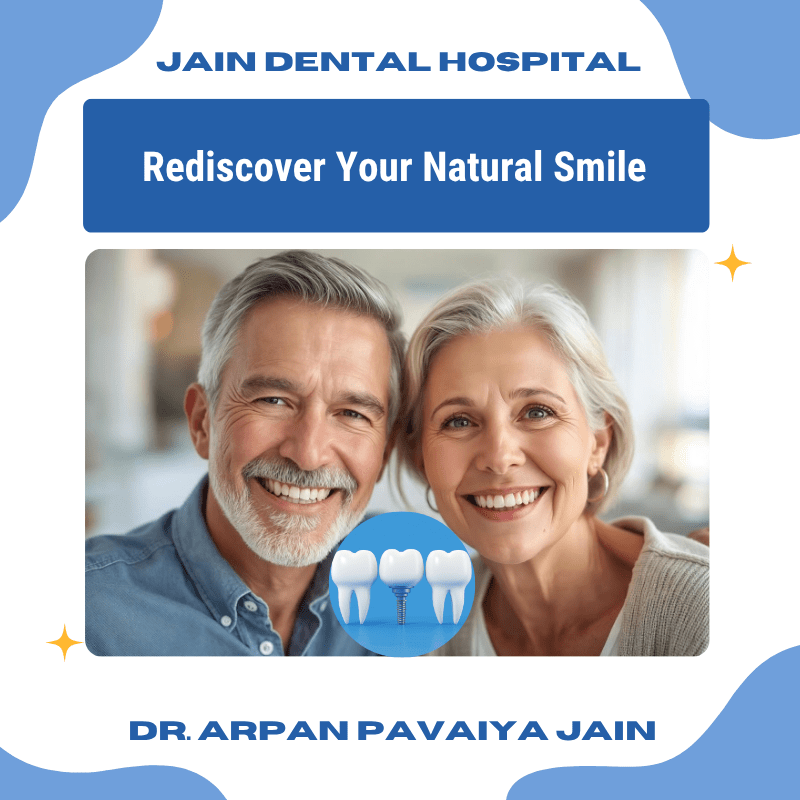
Dental Implants for Seniors: The Definitive Guide
Losing teeth is a common part of aging, but it doesn’t have to mean giving up the foods you love or hiding your smile. For many years, dentures were the primary solution, but they often come with challenges like slipping, discomfort, and difficulty chewing.
Today, dental implants have become the gold standard for restoring teeth in older adults, offering a permanent and natural-feeling alternative that can significantly improve quality of life.
This guide is designed to provide a clear, comprehensive overview of dental implants for seniors. We will explore how they work, who is a good candidate, and what you can expect from the procedure.
By the end, you will have the information you need to decide if this modern solution is right for you or a loved one. Our goal is to offer a supportive, reassuring, and solution-oriented resource to help you regain your smile and your confidence.
Why Do Seniors Commonly Lose Teeth?
Tooth loss in older adults is often the result of a combination of factors that accumulate over a lifetime. Understanding these causes is the first step toward finding the right solution.
- Age-Related Wear and Tear: Decades of chewing, grinding, and exposure to acidic foods gradually wear down tooth enamel, making teeth more susceptible to cracks, chips, and decay.
- Gum Disease (Periodontitis): A leading cause of tooth loss in adults, gum disease affects a significant portion of the senior population. Chronic inflammation can destroy the gum tissue and bone that support the teeth, eventually causing them to become loose and fall out.
- Bone Loss: As we age, jawbone density can decrease, particularly after a tooth is lost. Without a tooth root to stimulate it, the bone begins to recede, weakening the foundation for remaining teeth.
- Medical Conditions: Chronic illnesses common in seniors, such as diabetes, cardiovascular disease, and osteoporosis, can impact oral health. For instance, uncontrolled diabetes can increase the risk of gum disease, while certain medications can cause dry mouth, which elevates the risk of tooth decay.
Statistics show that tooth loss is widespread among older adults. About one in four adults over the age of 75 have lost all their teeth. These numbers highlight the need for effective, long-term tooth replacement options that go beyond traditional methods.
What Are Dental Implants & How Do They Work?
A dental implant is an artificial tooth root, typically made of biocompatible titanium, that is surgically placed into the jawbone. It serves as a strong, permanent foundation for a replacement tooth or a set of teeth.
The magic behind implants is a biological process called osseointegration. This is where the jawbone naturally fuses with the titanium post, creating an incredibly strong and stable anchor. This fusion is what allows an implant to feel and function just like a natural tooth.
The structure of a dental implant consists of three main parts:
- The Implant (Post): A titanium screw surgically inserted into the jawbone.
- The Abutment: A connector piece attached to the top of the implant, which sits just above the gum line.
- The Crown (Prosthesis): The visible, tooth-shaped cap that is secured to the abutment, perfectly matched to your natural teeth.
Dental implants are versatile and can be used to replace a single missing tooth, several teeth in a row, or even a full arch of teeth.
Types of Dental Implant Solutions for Seniors
There are several implant solutions available, each tailored to different needs. Here’s a breakdown of the most common options for older adults:
| Implant Type | When It’s Used | Key Advantages |
| Single Tooth Implants | Replacing one missing tooth. | The most natural-feeling replacement that doesn’t affect adjacent teeth. |
| Multiple Implants | Replacing several adjacent missing teeth. | Protects the structure of nearby natural teeth and preserves bone. |
| Implant-Supported Dentures | For those with loose or unstable dentures. | Snaps onto implants for greatly improved stability, comfort, and chewing. |
| All-on-4® / All-on-6 | For full-mouth restoration. | Provides a fixed, permanent set of teeth using just 4 or 6 implants per arch. |
| Zygomatic/Basal Implants | For cases with severe upper jaw bone loss. | Avoids the need for bone grafting by anchoring into the cheekbone. |
Understanding the difference between implants, dentures, and bridges is key. While dentures rest on the gums and bridges are anchored to adjacent teeth, implants are secured directly into the jawbone, providing unmatched stability and preserving bone health.
Are Dental Implants Suitable for Seniors?
A common misconception is that there is an upper age limit for dental implants. In reality, age is not the determining factor—overall health and bone condition are what matter most. Many individuals in their 80s and even 90s have successfully received dental implants.
During a consultation, a dental specialist will evaluate several key factors:
- Bone Density: Is there enough healthy jawbone to anchor the implant? If not, procedures like a bone graft (adding bone tissue to the jaw) or a sinus lift (for upper jaw implants) can often create the necessary foundation.
- Gum Health: Healthy gums are crucial for implant success. Any existing gum disease must be treated before proceeding.
- Medical Conditions: Chronic conditions like controlled diabetes, heart disease, or osteoporosis do not automatically disqualify a person from getting implants. However, they require careful planning and coordination with your medical doctor to ensure a safe procedure and successful healing.
- Lifestyle Habits: Smoking can significantly slow the healing process and increase the risk of implant failure. It’s highly recommended to quit or reduce smoking before and after the procedure.
Benefits of Dental Implants for Seniors
The advantages of dental implants extend far beyond just filling a gap in your smile. For seniors, they offer life-changing improvements.
- Restores Full Chewing Ability: Eat the foods you love without pain or worry. This allows for better nutrition and improved digestion.
- Prevents Bone Loss: Implants stimulate the jawbone just like natural tooth roots, preventing the bone deterioration that leads to a sunken facial appearance.
- Improves Speech Clarity: Unlike loose dentures that can slip and cause mumbling, implants are fixed in place, allowing you to speak clearly and confidently.
- Boosts Confidence and Well-Being: A secure, beautiful smile can have a tremendous impact on self-esteem and social interactions.
- Offers a Long-Term Solution: With proper care, dental implants can last a lifetime, making them a cost-effective investment in your health and happiness over the long run.
Dental Implants vs. Dentures vs. Bridges
When considering tooth replacement, it’s helpful to compare the available options directly.
| Feature | Dental Implants | Removable Dentures | Fixed Bridges |
| Stability | Fixed and secure, feel like natural teeth. | Can slip while eating or speaking. | Fixed, but rely on adjacent teeth. |
| Bone Health | Preserves and stimulates the jawbone. | Bone loss continues underneath the denture. | Does not prevent bone loss. |
| Chewing Power | Nearly 100% of natural chewing force. | Significantly reduced, limiting food choices. | Moderate, can stress supporting teeth. |
| Maintenance | Brush and floss like natural teeth. | Must be removed for daily cleaning. | Requires special tools to clean underneath. |
| Impact on Other Teeth | Standalone; does not affect other teeth. | None, but can cause sores on gums. | Requires grinding down healthy adjacent teeth. |
Full-Mouth Dental Implants for Seniors
For seniors who have lost all or most of their teeth, full-mouth dental implants offer a transformative solution. Instead of replacing each tooth individually, strategies like All-on-4® or All-on-6 use a handful of strategically placed implants to support a full, permanent bridge of teeth.
The primary benefits of this approach include:
- Immediate Function: Patients often leave the same day with a temporary but functional set of teeth.
- Enhanced Comfort and Stability: The fixed bridge feels much more natural than a removable denture.
- Improved Facial Aesthetics: By preventing bone loss, full-mouth implants support the facial structure, maintaining a more youthful appearance.
- Simplified Care: The fixed bridge is cared for with regular brushing and flossing, eliminating the hassle of denture adhesives and soaking.
The Step-by-Step Implant Procedure
The dental implant process is a multi-stage journey planned with precision to ensure the best outcome.
- Consultation and Planning: The process begins with a thorough evaluation, including 3D imaging (CBCT scans) and a review of your medical history. This allows the specialist to create a personalized treatment plan.
- Extractions and Bone Grafting (If Needed): Any failing teeth are removed. If bone density is insufficient, a bone graft may be performed to prepare the jaw.
- Implant Placement: The titanium posts are surgically placed into the jawbone. This is typically done under local anesthesia, and most patients report minimal discomfort.
- Healing and Osseointegration: This is a crucial phase where the implants fuse with the jawbone. It can take anywhere from 3 to 6 months. A temporary tooth replacement may be worn during this time.
- Abutment Placement: Once healing is complete, a small connector, the abutment, is attached to each implant.
- Final Restoration: Your custom-made crowns, bridge, or denture is securely attached to the abutments. Your dentist will make final adjustments to ensure a perfect fit and comfortable bite.
In some cases, same-day implants (immediate loading) may be an option, where a temporary crown is placed on the day of surgery. This is suitable for patients with excellent bone quality.
Risks and Considerations
While dental implants have a success rate of over 95%, it’s important to be aware of potential risks.
- Infection (Peri-implantitis): An infection around the implant, similar to gum disease, can occur if oral hygiene is poor.
- Implant Failure: Though rare, an implant may fail to integrate with the bone, especially in smokers or individuals with certain uncontrolled medical conditions.
- Surgical Complications: Risks like nerve damage or sinus issues are minimal when the procedure is performed by an experienced implantologist using advanced 3D planning.
Choosing a qualified and experienced specialist is the most important step in minimizing risks and ensuring a successful outcome.
Cost of Dental Implants for Seniors
The cost of dental implants can be a significant consideration. Several factors influence the final price:
- The number of implants needed.
- The type of implant system and prosthesis (crown, bridge, etc.).
- The need for additional procedures like bone grafting or a sinus lift.
- The experience of the surgeon and the technology used.
While the upfront cost is higher than for dentures or bridges, implants are often more cost-effective in the long run because they do not need to be replaced or refitted every few years. Many dental clinics offer financing options or payment plans to help make the investment more manageable.
Alternatives to Dental Implants
When considering tooth replacement options, it is important to explore alternatives to dental implants to determine the most suitable solution based on individual needs, budget, and oral health conditions. Below are three common alternatives to traditional dental implants, including their advantages and applicable scenarios:
Dentures
Dentures are removable prosthetic devices used to replace missing teeth and surrounding tissues. They are typically made of acrylic resin or a combination of resin and metal frameworks.
Pros:
- Cost-effective compared to implants and bridges.
- Non-invasive procedure with no surgical requirements.
- Easily adjusted or replaced, making them suitable for evolving dental needs.
Cons:
- May feel less stable than implants, particularly with full dentures.
- Require regular maintenance and adjustments to ensure fit due to bone resorption over time.
- Can cause discomfort and affect speaking or eating in some cases.
Dentures are ideal for individuals requiring a budget-friendly option or those who are medically unsuitable for surgical procedures.
Fixed Bridges
Fixed bridges are a common restorative option that uses adjacent natural teeth as anchors to “bridge” the gap created by one or more missing teeth.
When Useful:
- Suitable for patients with a few adjacent missing teeth.
- Provides a fixed, non-removable solution that feels secure and functions like natural teeth.
- Quicker process and lower cost compared to implants.
Considerations:
- Requires shaping of neighboring teeth to place the crown anchors, which can compromise healthy tooth structure.
- Does not prevent bone loss in the gap, unlike implants.
Bridges typically have a shorter lifespan than implants and may need replacement after several years.
Mini-Implants for Low-Bone Cases
Mini-implants are a smaller, less invasive form of traditional implants and are often used for patients with minimal bone density.
Advantages:
- Great option for individuals who are not ideal candidates for standard implants due to insufficient bone volume.
- Less invasive procedure with quicker healing time.
- More affordable than traditional implants.
Limitations:
- Typically used to support smaller prosthetic devices rather than replacing multiple teeth.
- May not provide the same durability and strength as traditional implants.
By understanding the pros and cons of these alternatives, patients can work with their dental professionals to select the most appropriate solution for their oral health and lifestyle goals.
Aftercare and Long-Term Maintenance
Caring for dental implants is straightforward and similar to caring for natural teeth.
- Maintain Excellent Oral Hygiene: Brush twice daily, floss (or use a water flosser), and consider an antimicrobial mouth rinse.
- Attend Regular Checkups: Visit your dentist at least twice a year for professional cleanings and to monitor the health of your implants.
- Avoid Harmful Habits: Do not use your implants to bite on hard objects like ice or pens. Quitting smoking is highly beneficial for the long-term health of your implants.
- Follow a Soft Diet Initially: Immediately after surgery, stick to soft foods to allow the area to heal without pressure.
Your Path to a Renewed Smile
Dental implants represent a remarkable advancement in restorative dentistry, offering seniors a dignified, stable, and life-enhancing solution to tooth loss. They provide the freedom to eat, speak, and smile with a level of confidence that other options simply cannot match.
If you are struggling with missing teeth or uncomfortable dentures, you owe it to yourself to explore what dental implants can do for you.
The first step is a simple conversation. A personalized consultation with a dental implant specialist can determine if you are a good candidate and answer all of your specific questions.
Frequently Asked Questions
Is there an upper age limit for dental implants?
No, there is no upper age limit. As long as you are in good general health and have sufficient jawbone (or are a candidate for bone grafting), you can be considered for dental implants.
Can I get implants if I have diabetes or osteoporosis?
Yes, in many cases. The key is that the condition must be well-managed. Your dental specialist will work with your physician to ensure the procedure is safe and that your body’s healing capacity is adequate for success.
Will my dental implants look and feel natural?
Absolutely. Implants are designed to look, feel, and function just like your own teeth. The crown is custom-made to match the color and shape of your natural teeth, making it virtually indistinguishable.
How long do dental implants last?
With proper care and regular dental checkups, dental implants can last a lifetime. The crown attached to the implant may need replacement after 10-15 years due to normal wear and tear, but the implant post itself is permanent.
Can I get dental implants in one day?
Sometimes. This procedure, known as “same-day implants” or “immediate loading,” is possible for patients with excellent bone density and quality. A temporary crown is placed on the day of surgery, which is later replaced with a permanent one after the implant has fully healed.
Schedule Your Consultation Today
Reclaim the Comfort, Confidence, and Joy of a Natural Smile
Now that you understand how dental implants can restore chewing ability, prevent bone loss, and transform daily life for seniors, take the next step with guidance you can trust.
At Jain Dental Hospital, Indirapuram, Ghaziabad, we offer senior-focused implant care using advanced 3D imaging, precise digital planning, and gentle, minimally invasive techniques. Whether replacing a single tooth or an entire arch, our approach is designed to provide comfort, safety, and long-lasting results.
Led by Dr. Arpan Pavaiya Jain, and Dr. Rashi Agarwal Jain our experienced implant team creates personalized treatment plans that prioritize your health, confidence, and overall well-being. From your first evaluation to your final restored smile, we ensure every stage is clear, comfortable, and carefully managed.
Don’t let missing teeth, loose dentures, or discomfort limit your quality of life. Get expert guidance and discover whether dental implants are the right long-term solution for you or your loved one.
📞 Call us at +91-9582535204 or 🌐 Visit www.jaindentistdelhi.com to schedule your dental implant consultation today.
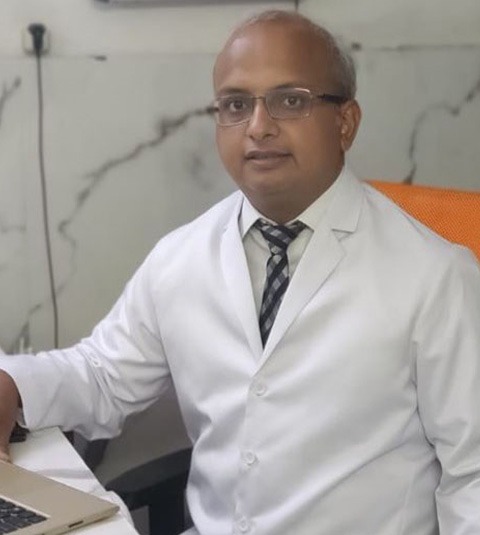
Dr. Arpan Pavaiya Jain, Director of Jain Dental Hospital, Indirapuram, Ghaziabad is a renowned Prosthodontist and Implantologist with over 20 years of expertise in advanced dentistry. A graduate of the prestigious King George’s Medical College Lucknow, he has performed more than 20,000 successful dental implant procedures. Dr. Jain leads a team of skilled professionals, offering state-of-the-art treatments in dental implants, clear aligners, cosmetic dentistry, orthodontics, and more. Known for his personalized care and commitment to excellence, he has earned a reputation as a trusted dental expert in Indirapuram, Ghaziabad.