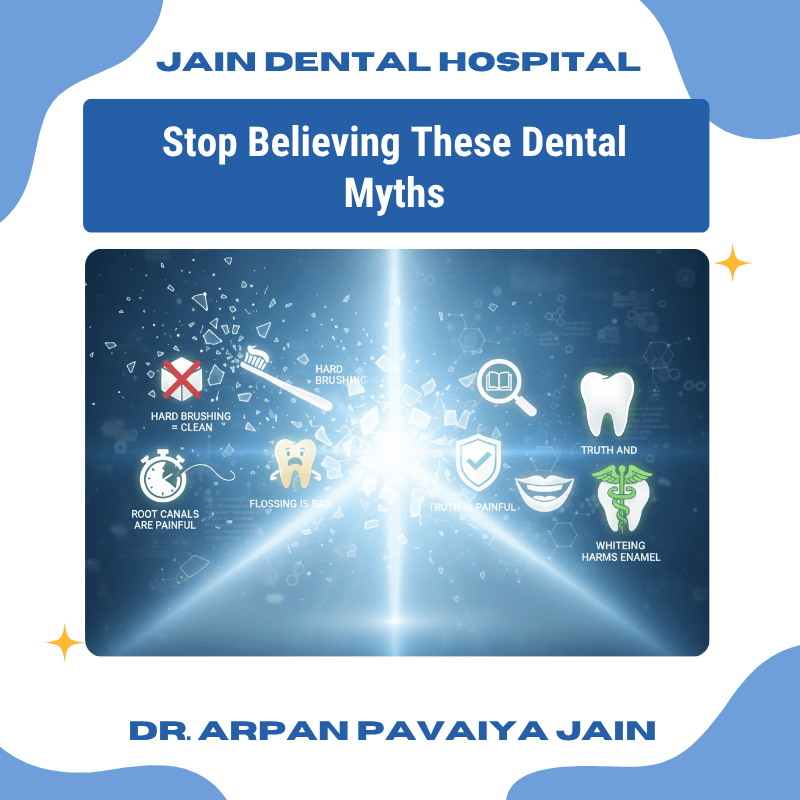
Top 10 Dental Myths You Should Stop Believing
Have you ever wondered if that piece of dental advice from a family member was actually true? From family traditions to the latest social media trends, it is easy to encounter conflicting information about oral care. Unfortunately, believing these common dental myths can lead to preventable issues like gum disease, tooth decay, and costly treatments.
This guide will help you separate fact from fiction. We will explore why dental myths are so widespread and debunk ten of the most common ones with evidence-based facts. Understanding the truth behind these myths is the first step toward making informed decisions for your long-term oral health.
Why Do Dental Myths Spread?
Dental hygiene misconceptions often begin at home, passed down through generations as “old advice.” While well-intentioned, these traditional remedies may not align with modern dentistry. The rise of social media and DIY oral care trends has also contributed to the spread of misinformation. Unverified tips, such as using charcoal for whitening, can go viral without scientific backing.
This is why evidence-based dentistry is so important. It relies on clinical research to guide best practices, ensuring your oral hygiene routine is both safe and effective. Sticking to proven methods helps you protect your smile and avoid the harm that dental myths can cause.
10 Common Dental Myths Debunked
Here are ten common dental myths, along with the facts you need to maintain a healthy smile.
Myth 1: “Brushing harder cleans your teeth better.”
Many people believe that applying more force while brushing removes more plaque. However, brushing too hard can actually damage your teeth. Aggressive brushing wears down tooth enamel, the protective outer layer of your teeth. It can also cause your gums to recede, exposing the sensitive root of the tooth.
Fact: A gentle approach is more effective. Use a soft-bristled toothbrush and apply light pressure in a circular motion. This technique effectively removes plaque without harming your teeth or gums.
Myth 2: “Sugar is the only cause of cavities.”
Sugar is often singled out as the main culprit for cavities, but it is not the only factor. Cavities are caused by acids produced by bacteria in your mouth. These bacteria feed on carbohydrates, not just sugar.
Fact: Starchy foods like bread, chips, and crackers break down into sugars that can linger on your teeth. Acidic foods and drinks, such as citrus fruits and sodas, also erode enamel directly, making teeth more vulnerable to decay. Limiting frequent snacking on these foods is just as important as reducing sugar intake.
Myth 3: “If my gums bleed, I should stop flossing.”
Seeing blood when you floss can be alarming, leading many to believe they are causing damage. However, bleeding gums are often a sign of inflammation, not an injury from flossing.
Fact: Bleeding is typically a symptom of gingivitis, the earliest stage of gum disease. It occurs when plaque builds up along the gumline. Consistent, gentle flossing removes this plaque, which helps reduce inflammation and should stop the bleeding over time. If bleeding persists, it is a sign to visit your dentist, not to stop flossing.
Myth 4: “If my teeth look healthy and don’t hurt, everything is fine.”
Many serious dental problems, like cavities and gum disease, can develop without any pain or visible signs in their early stages. Waiting for pain to seek dental care often means the issue has become more advanced.
Fact: Regular dental check-ups are essential for early detection. A dentist can identify problems you cannot see or feel, such as small cavities, gum inflammation, or issues below the gumline. Preventive care is always easier and less costly than treating advanced problems.
Myth 5: “Baby teeth don’t matter—they fall out anyway.”
This is one of the most damaging dental hygiene misconceptions, especially for parents. Although baby teeth are temporary, they play a crucial role in a child’s development.
Fact: Baby teeth help children chew properly, speak clearly, and hold space for permanent teeth to erupt correctly. If a baby tooth is lost too early due to decay, it can cause alignment issues for the adult teeth that follow.
Myth 6: “Chewing gum can replace brushing.”
While chewing sugar-free gum after a meal can offer some benefits, it is not a substitute for brushing and flossing.
Fact: Chewing sugar-free gum stimulates saliva production, which helps rinse away food particles and neutralize acids. However, it cannot physically remove plaque from tooth surfaces. Brushing and flossing are necessary to thoroughly clean your teeth and prevent plaque buildup.
Myth 7: “White teeth are healthy teeth.”
A bright, white smile is often seen as a sign of good health, but tooth color is not a reliable indicator of oral health. Teeth can be naturally white yet still have underlying problems.
Fact: A tooth can appear perfectly white while hiding a cavity between teeth or early-stage gum disease. Conversely, teeth can be healthy even if they are not perfectly white, as natural tooth shades vary.
Myth 8: “Charcoal toothpaste is safer and better for whitening.”
DIY whitening trends, especially those involving charcoal or acidic ingredients like lemon juice, have become popular online. These methods are often promoted as natural and safe alternatives.
Fact: Abrasive materials like charcoal can scrub away surface stains, but they also erode tooth enamel. Once enamel is gone, it does not grow back. Stick to fluoride toothpaste approved by the American Dental Association (ADA) for safe and effective cleaning.
Myth 9: “You should brush right after eating.”
It might seem logical to brush your teeth immediately after a meal to remove food particles. However, this timing can sometimes do more harm than good.
Fact: After consuming acidic foods or drinks, your tooth enamel temporarily softens. Brushing during this vulnerable state can scrub away the softened enamel. It is best to wait at least 30 minutes after eating before brushing. In the meantime, you can rinse your mouth with water.
Myth 10: “Rinsing after brushing is necessary.”
Most of us finish brushing by rinsing our mouths with water. This habit feels like the final step in cleaning, but it can reduce the effectiveness of your toothpaste.
Fact: Rinsing with water washes away the protective fluoride left behind by your toothpaste. Fluoride helps strengthen enamel and protect against decay. For best results, simply spit out the excess toothpaste and avoid rinsing.
Understanding the difference between implants, dentures, and bridges is key. While dentures rest on the gums and bridges are anchored to adjacent teeth, implants are secured directly into the jawbone, providing unmatched stability and preserving bone health.
Your Oral Health and Your Body
It is important to remember that your oral health is connected to your overall health. Research has linked gum disease to other health conditions, including heart disease, diabetes, and complications during pregnancy.
Bacteria from inflamed gums can enter the bloodstream and affect other parts of the body. This connection highlights why maintaining good oral hygiene is a key part of your overall well-being.
How to Identify Reliable Dental Information
When seeking information about your oral health, it’s essential to rely on credible, evidence-based sources. Separating reliable facts from misleading advice can be challenging, but focusing on reputable organizations and professional guidance ensures you make informed decisions about your dental care.
Here’s how to identify reliable dental information:
- Prioritize Reputable Organizations: Look for resources from recognized dental authorities, such as the American Dental Association (ADA) or equivalent national bodies. These organizations base their recommendations on extensive scientific research and clinical guidelines.
- Consult Licensed Professionals: Your dentist is your primary source for personalized and accurate advice. They can provide guidance tailored to your specific oral health needs, drawing on their professional expertise and clinical experience.
- Be Wary of “DIY” Advice: Avoid relying on unverified online content or anecdotal “fixes.” Many online suggestions lack professional oversight and scientific backing, potentially leading to harmful practices or ineffective treatments.
- Seek Evidence-Based Information: Ensure any information you consider is supported by clinical studies and research, not just opinions or marketing claims. Trustworthy sources will often cite their scientific references.
Your Path to a Healthier Smile
Creating a healthy oral hygiene routine is simple when you have the right information. Here is a practical checklist based on dental facts:
- Brush Gently: Brush twice a day with a soft-bristled brush and fluoride toothpaste.
- Floss Daily: Clean between your teeth once a day to remove plaque where your brush cannot reach.
- Wait to Brush: Wait 30 minutes after meals, especially acidic ones, before brushing.
- Spit, Don’t Rinse: After brushing, spit out the excess toothpaste but avoid rinsing with water.
- Eat a Balanced Diet: Limit sugary, starchy, and acidic foods.
- Visit Your Dentist: Schedule regular check-ups and cleanings, even if you do not have pain.
Make Informed Decisions for Your Dental Health
Understanding the truth behind common dental myths empowers you to take better care of your teeth and gums. By sticking to an evidence-based routine and seeking professional guidance, you can build a foundation for a lifetime of good oral health.
If you are ever unsure about an oral care habit or have questions about your dental health, do not hesitate to ask a professional.
Frequently Asked Questions
Are dental myths harmful for oral health?
Yes. Many dental myths can lead to poor habits that cause gum disease, cavities, enamel erosion, and delayed treatment. Evidence-based dental care prevents these issues.
Is brushing harder better for cleaning teeth?
No. Hard brushing wears down enamel and irritates your gums. A soft-bristled brush and gentle circular motion are far more effective.
Does sugar alone cause cavities?
No. Starchy foods, acidic drinks, and frequent snacking also fuel bacteria that produce acids, which lead to tooth decay.
Should I stop flossing if my gums bleed?
No. Bleeding gums are usually caused by inflammation or plaque buildup. Regular, gentle flossing reduces bleeding over time.
Are white teeth always healthy teeth?
Not necessarily. A tooth can look white yet have cavities or gum disease. Tooth color doesn’t always reflect oral health.
Is chewing gum a substitute for brushing?
No. Sugar-free gum can help increase saliva but cannot remove plaque. Brushing and flossing remain essential.
Should I brush right after eating?
Not after acidic meals. Acid softens enamel, and brushing immediately can cause damage. Wait at least 30 minutes.
Do baby teeth matter if they fall out anyway?
Yes. They help with chewing, speech, and guiding permanent teeth into correct alignment.
Is charcoal toothpaste safe for whitening?
No. Charcoal is abrasive and can erode enamel. Dentists recommend fluoride toothpaste for safe whitening.
Do I need to rinse my mouth after brushing?
No. Rinsing removes protective fluoride. For best results, spit out the toothpaste and avoid rinsing with water.
Schedule Your Consultation Today
Get the Right Facts. Protect Your Smile with Expert Dental Guidance.
Now that you’ve uncovered the truth behind the most common dental myths—and how they can quietly harm your teeth and gums—take the next step toward a healthier, more confident smile.
At Jain Dental Hospital, Indirapuram, Ghaziabad, we help patients replace confusion and misinformation with clarity, evidence-based advice, and personalized preventive care. Whether you’re dealing with bleeding gums, sensitivity, cavities, or simply want to improve your daily oral hygiene routine, our team is here to guide you with the right information.
Led by Dr. Arpan Pavaiya Jain, and Dr. Rashi Agarwal Jain our experienced dental team uses modern diagnostic tools, gentle techniques, and patient-focused education to ensure you understand your oral health—and make informed decisions with confidence.
Don’t let dental myths influence your habits or delay the care you deserve.
Get trusted, science-backed guidance tailored to your unique needs.
📞 Call +91-9582535204
🌐 Visit www.jaindentistdelhi.com
Schedule your preventive dental check-up and get clarity on your oral health today.

Dr. Arpan Pavaiya Jain, Director of Jain Dental Hospital, Indirapuram, Ghaziabad is a renowned Prosthodontist and Implantologist with over 20 years of expertise in advanced dentistry. A graduate of the prestigious King George’s Medical College Lucknow, he has performed more than 20,000 successful dental implant procedures. Dr. Jain leads a team of skilled professionals, offering state-of-the-art treatments in dental implants, clear aligners, cosmetic dentistry, orthodontics, and more. Known for his personalized care and commitment to excellence, he has earned a reputation as a trusted dental expert in Indirapuram, Ghaziabad.