How Long Do Dental Implants Last? Insights from Experts
When you invest in your smile, you want to know that the results will stand the test of time. If you are considering tooth replacement, one of the first questions on your mind is likely, “Are dental implants permanent?” Unlike traditional dentures or bridges that might need replacing every decade, dental implants are designed to be a long-term solution for missing teeth.
By mimicking the structure of a natural tooth root, implants provide a stability that other options simply cannot match. However, “permanent” does not mean “indestructible.” While the technology behind implants allows them to function for decades, their actual lifespan relies on a specific set of biological and lifestyle factors.
This guide explores exactly how long you can expect your dental implants to last. We will break down the science behind their durability, the factors that influence their success, and the expert-backed steps you can take to ensure your smile remains healthy for a lifetime.
Why Implant Longevity Matters?
Understanding the durability of dental implants is crucial for patients weighing the cost against the long-term value. While the upfront investment or cost is higher than other methods, the potential for a lifetime of use changes the financial perspective significantly.
Key considerations regarding implant permanence:
- A Functional and Biological Solution: Implants are not just cosmetic; they integrate biologically with your jawbone through a process called osseointegration. This bond prevents the bone loss that typically occurs after tooth extraction, maintaining your facial structure and oral health for the long term.
- Setting Realistic Expectations: While the titanium post is designed to last a lifetime, the visible crown may experience normal wear and tear. Knowing the difference helps you plan for minor maintenance rather than unexpected major overhauls.
- The Role of Expert Care: The longevity of an implant is often decided before it is even placed. The precision of the surgery, the quality of the materials, and the customized treatment plan created by your dental expert are foundational to long-term success.
What Exactly Is the “Lifespan” of a Dental Implant?
To understand how long a dental implant lasts, you first need to understand that an “implant” is actually made of three distinct parts. When patients ask about lifespan, they often confuse the durability of the metal screw with the durability of the visible porcelain tooth.
The three components of a dental implant:
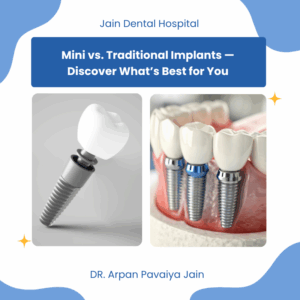
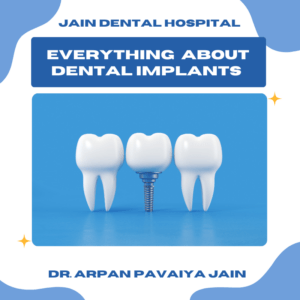
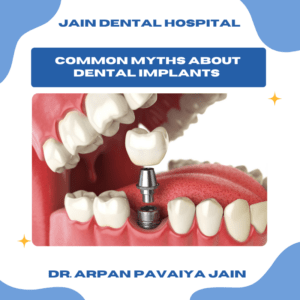
- The Implant Fixture (The Post): This is a small titanium or zirconia screw that is surgically placed into your jawbone. Because it is made of biocompatible material, the bone heals tightly around it. This component is the true “implant” and is designed to remain in your jaw permanently.
- The Abutment: This is the connector piece that sits on top of the implant post, extending above the gum line. It serves as the anchor for the artificial tooth.
- The Crown (Prosthetic Tooth): This is the visible part of the tooth that you chew with. While made of strong ceramic or porcelain, it is subject to the same biting forces as natural teeth and may chip or wear down over time.
It is important to distinguish between “implant failure” (where the bone loses its grip on the post) and “crown failure” (where the visible tooth chips). The latter is a simple repair, similar to fixing a cavity, whereas the former requires surgical intervention.
Average Lifespan of Dental Implants: What Studies and Experts Say
Research consistently shows that dental implants are the most durable tooth replacement option available today. Historical data and modern clinical studies provide us with clear expectations regarding how long patients can expect their new teeth to last.
General lifespan statistics:
- Implant Post: Studies indicate that the titanium post has a success rate of over 95% and can last 20 to 25 years, or often the rest of the patient’s life, provided proper oral hygiene is maintained.
- The Crown: The prosthetic tooth typically lasts between 10 and 15 years. This is due to the daily wear and tear of chewing, grinding, and biting. However, replacing the crown is a straightforward non-surgical procedure.
- Long-Term Success Rates: Clinical data reveals high survival rates even after decades of use. Many modern systems show success rates remaining above 90% well past the 15-year mark, thanks to improvements in surface technology that encourage faster and stronger bone healing.
Key Factors That Affect How Long Dental Implants Last
While statistics provide a general baseline, your personal experience will depend on several variables. From the materials used to your daily habits, longevity is a combination of clinical excellence and patient compliance.
4.1 Quality of Implant Material
The materials selected for your surgery play a massive role in how well your body accepts the new tooth.
- Titanium vs. Zirconia: Titanium has been the gold standard for decades because of its unique ability to fuse with living bone without causing inflammation. Zirconia is a newer, metal-free ceramic option that also offers excellent bio-compatibility but may have different mechanical properties.
- Surface Technology: Modern implants often feature treated surfaces that are textured at a microscopic level. This texture increases the surface area, allowing bone cells to grip the implant more effectively, which accelerates healing and improves long-term stability.
4.2 Skill and Experience of the Implant Dentist
The longevity of your implant begins the moment your surgery is planned. An experienced provider does more than just place a screw; they engineer a bite that distributes force evenly.
- Proper Treatment Planning: Expert dentists use 3D imaging to assess bone quality before surgery. Placing an implant in weak bone without preparation is a recipe for early failure. Precise planning ensures the implant is surrounded by dense, healthy bone.
- Surgical Precision: The angle and depth of the implant are critical. If an implant is placed at an incorrect angle, biting forces can cause it to loosen over time. Experienced surgeons ensure the physics of your bite work in favor of the implant, not against it.
4.3 Bone Health and Jawbone Density
Your jawbone is the foundation of your dental implant. Without a solid foundation, even the best materials will fail.
- Bone Volume: Implants require a specific amount of bone height and width to remain stable. If a tooth has been missing for a long time, the bone may have shrunk (resorbed).
- Bone Grafting: If you have low bone density, your dentist may recommend a bone graft. This procedure builds up the jawbone before or during implant placement, ensuring there is enough solid tissue to support the implant for decades.
4.4 Oral Hygiene and Daily Care Habits
Despite being artificial, implants require the same—if not more—care than natural teeth.
- Daily Cleaning: Plaque can accumulate around implants just as it does on teeth. If not removed, it causes gum inflammation. Patients must brush twice a day and floss daily to protect the gum seal around the implant.
- Professional Maintenance: Regular cleanings are vital. Hygienists use specialized tools to clean implant surfaces without scratching them, removing bacteria that you cannot reach at home.
4.5 Lifestyle Factors
Your daily choices have a direct impact on the healing and long-term retention of your implants.
- Smoking and Tobacco Use: This is one of the significant risk factors for implant failure. Nicotine constricts blood vessels, reducing blood flow to the gums and bone. This slows down healing and increases the risk of infection.
- Bruxism (Teeth Grinding): Grinding your teeth puts immense pressure on implants. Unlike natural teeth, which have ligaments to absorb shock, implants are rigid. Excessive force can cause the bone to pull away or the prosthetic crown to crack.
4.6 Overall Health Conditions
Systemic health issues can influence how your body heals and fights infection.
- Diabetes: Uncontrolled diabetes can impair the body’s ability to heal and fight bacteria, increasing the risk of failure. However, patients with well-controlled diabetes typically enjoy high success rates.
- Medications: Certain medications, such as bisphosphonates used for osteoporosis treatment, can affect bone remodeling and healing. A thorough medical history review is essential during your consultation.
Can Dental Implants Fail Over Time?
While rare, implant failure can happen. Understanding the causes can help you prevent them. Failure is generally categorized as “early” (occurring during the healing phase) or “late” (occurring years after placement).
Common causes of implant complications:
- Peri-implantitis: This is the implant equivalent of gum disease. It is an inflammatory condition affecting the soft and hard tissues surrounding the dental implant. If plaque builds up, bacteria can destroy the bone holding the implant in place.
- Poor Oral Hygiene: Neglecting to clean the implant site leads to bacterial infection. This is the most preventable cause of failure.
- Excessive Bite Force: If the bite is not balanced, or if the patient grinds their teeth without protection, the constant trauma can loosen the implant or break the internal screw.
- Warning Signs: Patients should never ignore loose implants, pain when chewing, red or swollen gums, or a bad taste in the mouth. These are signs of infection or instability that require immediate professional attention.
How to Make Dental Implants Last a Lifetime
Longevity is a partnership between the dentist’s skill and the patient’s care. By following a strict maintenance routine, you can significantly extend the life of your investment.
Your daily care checklist:
- Consistent Hygiene: Brush twice daily with a soft-bristle toothbrush and low-abrasive toothpaste. Use unwaxed tape or implant-specific floss to clean around the abutment.
- Regular Dental Visits: See your dentist every six months. These appointments allow the dentist to check the stability of the implant and the health of the surrounding gum and bone.
- Night Guards: If you have a history of grinding or clenching your teeth, a custom night guard is non-negotiable. It cushions the impact and protects both your natural teeth and your implants.
- Healthy Choices: Avoiding tobacco and limiting sugary foods helps reduce bacterial load in the mouth, protecting the gum tissue that supports the implant.
Dental Implants vs Other Tooth Replacement Options: Longevity Comparison
When deciding on a treatment, it helps to compare the expected lifespan of implants against traditional alternatives. While implants often have a higher initial cost, their longevity typically makes them the most cost-effective solution over a lifetime.
| Treatment Option | Average Lifespan | Replacement Needed | Bone Preservation |
| Dental Implants | 20+ years / lifetime | Rare | Yes |
| Dental Bridge | 7–10 years | Likely | No |
| Dentures | 5–7 years | Frequent | No |
Relevance of this data:
This comparison highlights that while bridges and dentures are cheaper upfront, they are essentially temporary fixes that require recurring costs for adjustments and replacements. Implants are the only option that preserves bone density, preventing the facial changes associated with tooth loss.
Are Dental Implants Worth It Considering Their Lifespan?
For many patients, the decision comes down to value. When you look at the timeline of 20 years or more, the perspective shifts from an expense to an investment.
The long-term value proposition:
- Cost vs. Value: If you opt for a bridge, you may pay for the initial procedure, then pay again to replace it in 10 years, and potentially again in another 10 years. Implants usually require a single surgical fee.
- Quality of Life: Beyond dollars, there is the value of confidence. Being able to eat apples, steak, and nuts without fear of your teeth slipping is priceless.
- Oral Health: By preserving your jawbone, you protect the stability of your remaining natural teeth, potentially saving you from needing more extensive dental work in the future.
Expert Insights: What Dentists Emphasize Most
Dental professionals agree that the technology is sound; the variable is usually maintenance. Experts emphasize that an implant is a medical device that requires care, not a “magic bullet” that fixes everything without effort.
What the professionals want you to know:
- Patient Compliance is Key: The best surgery in the world cannot withstand poor hygiene. Patients who commit to their oral health see the best results.
- Maintenance is Critical: You wouldn’t drive a car for 20 years without an oil change. Similarly, implants need professional monitoring to ensure the screws are tight and the bone is healthy.
- It’s a Partnership: Success relies on open communication. Reporting small changes in how your bite feels can prevent major issues down the road.
Final Takeaway: What to Remember About Dental Implant Longevity
The question “how long do dental implants last?” has a promising answer: potentially a lifetime. They are the only tooth replacement option that preserves your jawbone and functions like a natural tooth. While the crown may eventually need an update, the foundation—the implant itself—is built for endurance.
Summary of key points:
- Determinants of Success: Longevity depends on expert placement, high-quality materials, and, most importantly, your commitment to oral hygiene.
- A Smart Investment: While the initial cost is higher, the durability and lack of recurring replacement costs make implants a financially sound decision for the long term.
- The Right Choice: If you want a solution that offers peace of mind, stability, and health benefits, dental implants are the gold standard.
Frequently Asked Questions (FAQ)
- Can dental implants really last a lifetime?
Yes. The titanium post that fuses with your jawbone is designed to be permanent. With excellent oral hygiene, regular check-ups, and good overall health, the implant post can last for the rest of your life.
- How often do implant crowns need replacement?
The visible crown typically lasts 10 to 15 years. Because it is subjected to the daily forces of chewing and grinding, it may chip or wear down, similar to how natural teeth wear. Replacing the crown is a simple procedure that does not involve surgery.
- Do dental implants last longer than bridges?
Yes, significantly longer. A traditional dental bridge usually lasts between 7 and 10 years before it needs to be replaced due to decay on the anchor teeth or structural failure. Implants do not decay and generally last 20 years or more.
- Can implants fail after 10 years?
While rare, late-stage failure can occur. This is usually due to peri-implantitis (infection of the gum and bone around the implant), often caused by poor oral hygiene or smoking. Regular dental visits are essential to catch and treat infection early.
- Does age affect implant lifespan?
Age itself is not a deciding factor in implant success. A healthy senior in their 80s has the same potential for success as a patient in their 40s. The more important factors are bone density and overall medical health, rather than chronological age.
Schedule Your Consultation Today
Understand the Lifespan of Dental Implants—Before You Commit
If you’re researching how long dental implants last, it’s important to look beyond general timelines found online. The true lifespan of dental implants depends on several individual factors, including bone health, implant material, oral hygiene habits, overall health, and the expertise of the treating dentist. A personalized clinical evaluation is the only reliable way to understand how long dental implants can last for you.
At Jain Dental Hospital, Dr. Arpan Pavaiya Jain and Dr. Rashi Agarwal Jain follow an evidence-based, patient-first approach to dental implant care. We help you clearly understand implant longevity, maintenance requirements, and long-term outcomes—so you can make a confident, informed decision about your oral health investment.
Schedule a dental implant consultation to receive a personalized assessment and expert guidance on how long dental implants can last in your specific case.
📞 Call: +91-9582535204
🌐 Visit: www.jaindentistdelhi.com

Dr. Arpan Pavaiya Jain, Director of Jain Dental Hospital, Indirapuram, Ghaziabad is a renowned Prosthodontist and Implantologist with over 20 years of expertise in advanced dentistry. A graduate of the prestigious King George’s Medical College Lucknow, he has performed more than 20,000 successful dental implant procedures. Dr. Jain leads a team of skilled professionals, offering state-of-the-art treatments in dental implants, clear aligners, cosmetic dentistry, orthodontics, and more. Known for his personalized care and commitment to excellence, he has earned a reputation as a trusted dental expert in Indirapuram, Ghaziabad.