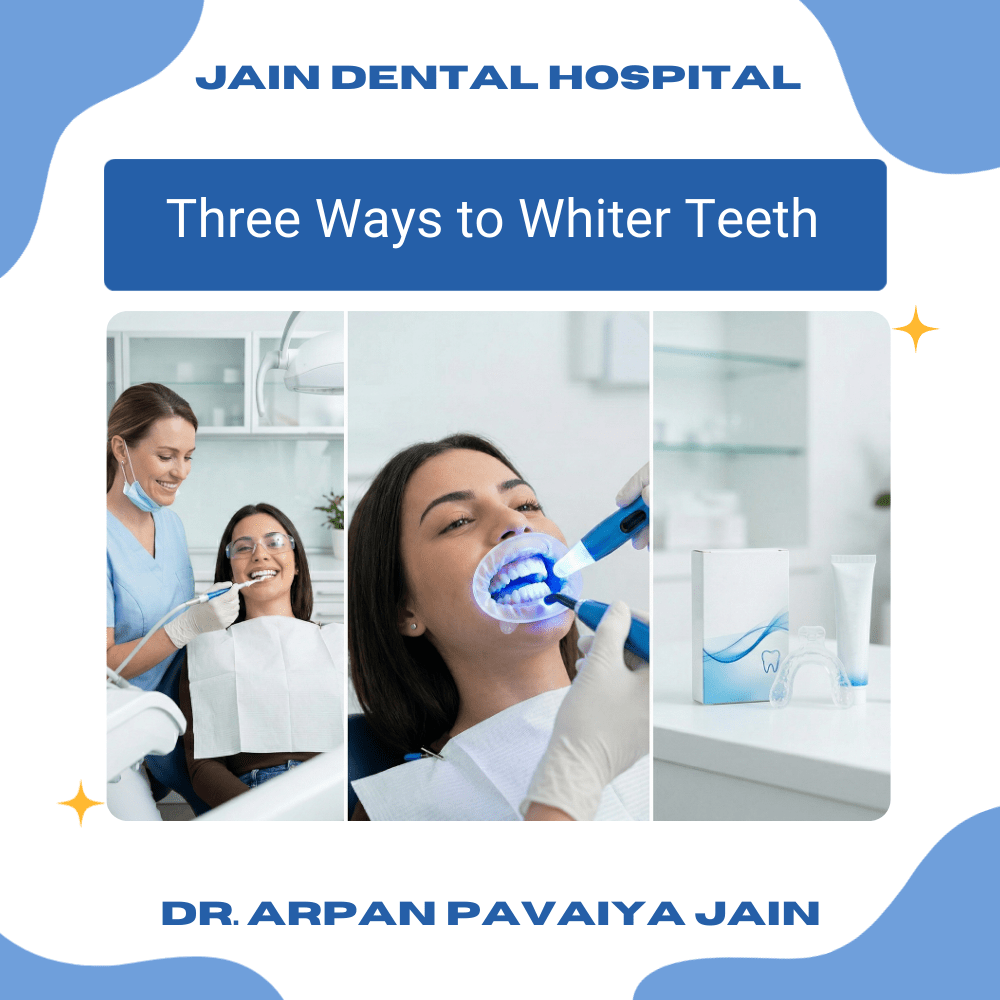
Types of Teeth Whitening Treatments: Professional, Laser & At-Home Options Explained
A confident smile can open doors—both personally and professionally. Yet for many, discolored or stained teeth can hold them back from smiling freely. Whether it’s from daily coffee habits, years of smoking, or simply the natural aging process, tooth discoloration is a common concern. The good news? Modern teeth whitening treatments offer safe, effective solutions to restore brightness to your smile.
This comprehensive guide walks you through every major teeth whitening option available today. You’ll learn how each method works, what results to expect, potential side effects, and which treatment might be the best fit for your needs and budget. By the end, you’ll have the knowledge to make an informed decision about brightening your smile.
Why Do Teeth Become Discolored?
Before exploring whitening treatments, it helps to understand why teeth lose their brightness. Tooth discoloration falls into two main categories: extrinsic and intrinsic staining. Each type has different causes and responds differently to whitening treatments.
Extrinsic Stains
Extrinsic stains affect the outer layer of your tooth—the enamel. These surface-level discolorations develop when pigmented substances accumulate on the tooth’s exterior. Common culprits include:
- Coffee, tea, and red wine: These beverages contain chromogens and tannins—compounds that easily attach to tooth enamel and create stubborn stains over time.
- Tobacco products: Whether smoked or chewed, tobacco introduces tar and nicotine to your teeth. These substances bind tightly to enamel, creating yellowish-brown stains that worsen with continued use.
- Dark-colored foods: Berries, soy sauce, tomato-based sauces, and certain spices can gradually stain teeth with regular consumption.
- Poor oral hygiene: When plaque and tartar build up on teeth, they create a rough surface where stains can more easily take hold.
The positive aspect of extrinsic stains is that they typically respond well to whitening treatments. Many surface stains can be reduced through professional cleaning, whitening toothpastes, or bleaching procedures.
Intrinsic Stains
Intrinsic discoloration occurs within the tooth structure itself—in the dentin layer beneath the enamel. These internal stains are more challenging to treat and may require stronger whitening methods or longer treatment times. Causes include:
- Aging: As you get older, the protective enamel layer naturally thins. This allows the yellowish dentin underneath to show through more prominently, making teeth appear darker overall.
- Medications: Certain antibiotics, particularly tetracycline and doxycycline, can cause intrinsic staining if taken during childhood when teeth are still developing. Antihistamines, high blood pressure medications, and some antipsychotic drugs may also contribute to discoloration.
- Excessive fluoride exposure: While fluoride strengthens teeth, too much during childhood can lead to fluorosis—a condition that causes white spots or streaks on tooth enamel.
- Dental trauma: Injuries to teeth can damage the inner pulp, causing internal bleeding or changes in dentin formation that darken the tooth.
- Medical conditions: Some genetic disorders and illnesses affecting tooth development can result in discolored teeth.
Intrinsic stains require more aggressive treatment approaches. Brown or yellow intrinsic stains generally respond better to whitening than gray or purple discoloration. In some cases, particularly severe intrinsic staining may need alternative cosmetic solutions like veneers or crowns.
Professional Teeth Whitening Treatments
Professional whitening treatments, supervised or performed by a licensed dentist, offer the most dramatic and reliable results. These methods use higher concentrations of bleaching agents than over-the-counter products, delivering faster and more noticeable improvements.
In-Office Teeth Whitening
In-office whitening represents the fastest route to a brighter smile. During this procedure, your dentist applies a concentrated bleaching gel directly to your teeth under carefully controlled conditions.
How It Works
The process begins with a thorough examination to ensure your teeth and gums are healthy enough for whitening. Your dentist will document your current tooth shade using a shade guide, establishing a baseline for comparison.
Next, they’ll protect your gums and soft tissues by applying a barrier gel or placing a rubber shield around your gums. This step is crucial because the bleaching agents used in professional treatments are strong enough to cause irritation if they contact unprotected tissue.
The dentist then applies hydrogen peroxide gel to the surface of your teeth. In-office formulations typically contain 15% to 43% hydrogen peroxide—significantly stronger than at-home products. The gel remains on your teeth for a prescribed period, often 15 to 30 minutes per application. Multiple applications may be completed in a single session.
Treatment Duration and Results
A complete in-office whitening session usually takes 30 to 90 minutes. Some patients see their teeth brighten by three to eight shades in just one appointment. However, the exact results depend on the original shade of your teeth, the type of staining present, and your individual response to treatment.
Advantages
- Speed: You can achieve dramatic whitening in a single visit, making it ideal for special events or time-sensitive needs.
- Professional supervision: A dentist monitors the entire process, minimizing risks and addressing any issues immediately.
- Powerful results: The high concentration of bleaching agents delivers more dramatic color change than at-home methods.
- Customized treatment: Your dentist can adjust the procedure based on your specific needs and concerns.
Disadvantages
- Cost: Professional in-office whitening is the most expensive option, typically ranging from several hundred to over a thousand dollars. Dental insurance rarely covers cosmetic procedures.
- Potential sensitivity: The strong bleaching agents can cause temporary tooth sensitivity or gum irritation in some patients.
- Not suitable for everyone: People with certain dental conditions, extensive restorations, or very sensitive teeth may not be good candidates.
Who Should Consider It
In-office whitening works best for people with:
- Significant extrinsic staining from coffee, tea, wine, or tobacco
- A need for fast results (such as before a wedding or important event)
- Healthy teeth and gums without extensive restorations
- The budget for professional treatment
Concerns about safely using at-home products
Custom Take-Home Whitening Kits from Your Dentist
Dentist-supervised take-home kits offer a middle ground between professional in-office treatment and over-the-counter products. These kits provide professional-strength whitening in the convenience of your own home.
How It Works
Your dentist creates custom-fitted trays based on impressions of your teeth. These trays fit snugly over your teeth, ensuring even distribution of the whitening gel and protecting your gums from excess product.
You’ll receive professional-grade bleaching gel, typically containing 10% to 38% carbamide peroxide or 4% to 8% hydrogen peroxide. Carbamide peroxide breaks down into hydrogen peroxide when applied, with 10% carbamide peroxide roughly equivalent to 3.5% hydrogen peroxide.
Following your dentist’s instructions, you fill the trays with gel and wear them for a specified period—usually 2 to 10 hours per day, depending on the gel concentration. Treatment duration varies but typically ranges from one to four weeks.
Results Timeline
Most people begin seeing noticeable whitening within the first week. Optimal results usually develop over two to four weeks of consistent use. The gradual nature of the process allows for more controlled whitening and can reduce the risk of sensitivity compared to in-office treatments.
Advantages
- Professional strength at home: You get access to more powerful bleaching agents than OTC products offer.
- Custom fit: The personalized trays ensure even coverage and reduce gel waste.
- Flexibility: You control when and where you whiten your teeth, fitting treatment around your schedule.
- Lower cost than in-office: While more expensive than drugstore products, take-home kits cost less than in-office sessions.
- Dentist guidance: Your dentist monitors your progress and can adjust your treatment plan as needed.
Disadvantages
- Requires commitment: You must use the trays consistently over several weeks to see results.
- Time investment: Daily applications can be inconvenient for busy schedules.
- Potential for misuse: Incorrect application or overuse can lead to sensitivity or gum irritation.
- Still an investment: These kits cost more than over-the-counter alternatives.
Who Should Consider It
Take-home professional kits suit people who:
- Want professional-strength whitening without the cost of in-office treatments
- Prefer gradual whitening over several weeks
- Have schedules that make in-office appointments difficult
Feel comfortable following detailed instructions for at-home treatment
Laser Teeth Whitening Treatment
Laser-activated or light-activated whitening has become a popular option at dental offices. This treatment combines professional-strength bleaching gel with specialized light or laser technology, marketed as a way to enhance and accelerate the whitening process.
What Is Laser Teeth Whitening?
Laser teeth whitening, also called light-activated bleaching, involves applying hydrogen peroxide gel to your teeth and then exposing them to a special light source. The theory suggests that the light energy accelerates the breakdown of peroxide molecules, releasing more oxygen to penetrate tooth enamel and lift stains more effectively.
Various light sources may be used, including LED lights, actual lasers. The Zoom Whitening system represents one of the most widely recognized laser whitening treatments, using a proprietary LED light designed to activate their specific bleaching gel.
How the Process Works
The procedure follows a similar path to standard in-office whitening, with the addition of light activation:
- Preparation: Your dentist examines your teeth, documents the current shade, and protects your gums and soft tissues with a barrier.
- Gel application: A high-concentration hydrogen peroxide gel (typically 25% to 35%) is applied to the tooth surfaces.
- Light activation: A specialized light or laser is positioned to shine on your teeth. The light may generate heat, which some manufacturers claim helps the peroxide break down faster and penetrate deeper into the tooth structure.
- Multiple rounds: The gel and light application process is repeated three to four times during a single session, with each round lasting about 15 minutes.
- Fluoride treatment: After the final round, many dentists apply a fluoride treatment to help reduce post-procedure tooth sensitivity.
Treatment Duration and Results
A complete laser whitening session typically takes 60 to 90 minutes. Proponents claim that teeth can brighten by several shades in this single visit, potentially offering faster results than standard in-office bleaching.
The Science Behind Light Activation
Here’s where evidence becomes important: Research on light-activated whitening shows mixed results. According to studies referenced by the American Dental Association and published in peer-reviewed dental journals, the benefits of adding light or laser activation remain controversial.
A systematic review published in the Journal of Dentistry found that light activation during in-office bleaching increased the risk of tooth sensitivity without necessarily improving whitening efficacy. Research published in PMC (PubMed Central) concluded that “the use of light activator sources with in-office bleaching treatment of vital teeth did not increase the efficacy of bleaching or accelerate the bleaching.”
The consensus among many dental researchers suggests that the high concentration of hydrogen peroxide itself—not the light—drives the whitening effect. The light may increase tooth temperature, potentially speeding up the chemical reaction, but it also raises the risk of temporary sensitivity.
Safety Considerations
While laser whitening is generally safe when performed by a qualified dentist, be aware of potential concerns:
- Increased sensitivity: Clinical studies show that light-activated systems may cause more tooth sensitivity than standard bleaching without light.
- Gum irritation: Despite protective barriers, some patients experience temporary gum irritation from the concentrated gel.
- Heat generation: The light can warm your teeth, which some people find uncomfortable.
Cost Overview
Laser whitening treatments typically fall in the higher price range for professional whitening—often comparable to or slightly more expensive than standard in-office bleaching. The additional cost reflects the specialized equipment and proprietary systems used.
Who Should Consider It
Laser whitening might appeal to you if:
- You want the fastest possible whitening results
- You’re willing to pay a premium for the latest technology
- You’re comfortable with the potential for increased sensitivity
- Your dentist offers and recommends this specific treatment
However, keep in mind that you may achieve similar whitening results with standard in-office bleaching or take-home professional kits, potentially with less sensitivity and lower cost.
At-Home Teeth Whitening Options
Over-the-counter whitening products provide accessible, affordable options for gradual teeth brightening. While they contain lower concentrations of bleaching agents than professional treatments, consistent use can produce noticeable results for mild to moderate staining.
This section explores the wide range of at-home whitening products available, from toothpastes to LED kits. Understanding how each type works will help you choose the most appropriate option for your needs.
Whitening Toothpaste
Whitening toothpastes represent the most basic and widely available approach to teeth brightening. These products are designed to remove surface stains through gentle abrasion and, in some cases, mild bleaching action.
How It Works
All toothpastes contain mild abrasives that help scrub away surface stains during regular brushing. Whitening toothpastes enhance this effect by incorporating additional polishing agents or low concentrations of hydrogen peroxide.
Some advanced formulas use special chemical compounds that break down or dissolve surface stains. For example, certain products contain active oxygen technology that releases oxygen bubbles to penetrate and lift stains from tooth enamel.
Effectiveness
Whitening toothpastes work best on fresh, surface-level extrinsic stains—the kind caused by coffee, tea, or wine consumed recently. They can lighten teeth by about one shade over several weeks of consistent use.
However, these toothpastes have limitations. They don’t contain enough bleaching agent or contact your teeth long enough to significantly change intrinsic tooth color. They also can’t lighten teeth beyond their natural baseline shade.
Best For
Whitening toothpastes suit people who:
- Want to maintain results from professional whitening
- Have mild surface staining
- Prefer a simple addition to their existing oral care routine
- Need an affordable whitening option
What to Look For
Choose whitening toothpastes that have earned the ADA Seal of Acceptance. This seal indicates that the product has met safety and effectiveness standards established by the American Dental Association. The seal assures you that the abrasives used are safe for daily use and won’t damage tooth enamel when used as directed.
Whitening Strips
Whitening strips are thin, flexible plastic strips coated with a peroxide-based whitening gel. They represent one of the most popular and effective over-the-counter whitening methods.
Application Process
Using whitening strips involves these simple steps:
- Remove a strip from its packaging
- Press the gel-coated side firmly against your teeth
- Fold the excess strip behind your teeth to keep it in place
- Leave the strip on for the time specified in the product instructions (typically 30 minutes to an hour)
- Remove and discard the strip
- Rinse your mouth to remove any residual gel
Most systems include separate strips for upper and lower teeth.
Duration of Use
Treatment duration varies by product, but most whitening strip regimens require daily use for 10 to 14 days. Some products designed for quicker results may show effects in as few as three days, though longer treatments typically deliver more dramatic whitening.
Effectiveness Level
Quality whitening strips can lighten teeth by one to two shades, sometimes more with extended use. Products bearing the ADA Seal of Acceptance have demonstrated both safety and effectiveness in clinical trials.
Whitening strips typically contain 5% to 10% hydrogen peroxide—lower than professional treatments but sufficient to produce visible results over time. The key to their effectiveness lies in consistent daily use and proper application to ensure the gel contacts all tooth surfaces evenly.
Advantages
- Convenient: Easy to apply while doing other activities
- Affordable: Much less expensive than professional treatments
- Accessible: Available at most drugstores and online
- Proven effectiveness: ADA-approved strips deliver reliable results
Limitations
- Uneven coverage: Strips may not conform perfectly to all tooth shapes, potentially leading to uneven whitening
- Temporary sensitivity: Some users experience increased tooth sensitivity during treatment
Won’t whiten restorations: Like all whitening products, strips only affect natural tooth enamel
Whitening Gels and Pens
Whitening gels and paint-on applicators offer another at-home option for gradual tooth brightening. These products allow you to apply peroxide-based gel directly to your teeth with a brush or pen applicator.
Ease of Use
Whitening pens are particularly user-friendly. You simply twist the pen to dispense gel, then paint it onto the visible surfaces of your teeth. The gel dries quickly, forming a thin film that delivers bleaching agents to your enamel.
Brush-on gels work similarly but may come in small bottles with an attached brush applicator. You coat each tooth with gel and allow it to remain in place for a specified time—often 30 minutes or more—before rinsing.
When to Use
These products work well for:
- Touch-ups: Maintaining whitening results between professional treatments
- Targeted whitening: Addressing specific stained teeth rather than your entire smile
- On-the-go whitening: Easy to carry and apply anywhere
- Gentle whitening: Products with lower peroxide concentrations for sensitive teeth
Effectiveness
Whitening gels and pens typically contain 3% to 10% hydrogen peroxide. They can lighten teeth gradually with consistent daily use over two to four weeks. Results may be less dramatic than strips or professional treatments, but they offer flexibility and convenience.
LED Whitening Kits
Consumer LED whitening kits have flooded the market, marketed as at-home alternatives to professional laser whitening. These kits combine whitening gel with a mouthpiece containing LED lights.
How They Differ from Professional Laser Treatment
While these products claim to use similar technology as professional light-activated whitening, important differences exist:
- Lower gel concentration: At-home LED kits contain 3% to 20% peroxide, compared to 15% to 43% in professional treatments
- Less powerful lights: The LED lights in consumer devices generate less intensity than professional equipment
- Shorter treatment times: Home kits typically recommend 10 to 30 minutes per session
- Self-application: You’re responsible for proper use without professional supervision
Effectiveness and Limitations
The effectiveness of at-home LED kits remains debatable. As noted earlier, research suggests that light activation may not significantly enhance whitening beyond what the peroxide gel achieves alone. The lower concentration gels in these kits will naturally produce more modest results than professional treatments.
That said, the peroxide gel itself can whiten teeth over time with consistent use. The LED light may offer minimal additional benefit, but the gel formulation is what drives results.
Using LED Kits Safely
If you choose an LED whitening kit:
- Follow the manufacturer’s instructions precisely
- Don’t exceed recommended treatment times
- Stop use if you experience significant sensitivity
- Consult your dentist if you have concerns about tooth or gum health
Pros and Cons of At-Home Whitening Overall
Advantages
- Affordability: Significantly less expensive than professional treatments
- Convenience: Whiten on your schedule without dental appointments
- Accessibility: Wide variety of products readily available
- Gradual results: Lower concentrations mean less risk of dramatic sensitivity
- Flexibility: Choose from many product types to match your preferences
Disadvantages
- Slower results: Takes weeks of consistent use to see noticeable whitening
- Less dramatic change: Lower peroxide concentrations produce more modest results
- Risk of misuse: Overuse or incorrect application can cause sensitivity or gum irritation
- Uneven application: Without custom trays, coverage may be inconsistent
- No professional supervision: Dental issues could go undetected during treatment
Risks of Overuse
The accessibility of at-home whitening products can lead to overuse. Using whitening products too frequently or for longer than recommended can result in:
- Increased tooth sensitivity: Excessive bleaching can irritate tooth nerves
- Gum irritation and damage: Prolonged contact with peroxide can harm gum tissue
- Enamel damage: While rare, aggressive or improper use of abrasive products can wear down enamel
- Unnatural appearance: Over-whitened teeth can look translucent or chalky rather than naturally bright
Always follow product instructions and consider consulting your dentist before starting any at-home whitening regimen, especially if you have existing dental concerns.
Professional vs. Laser vs. At-Home: A Detailed Comparison
Choosing the right whitening method requires weighing multiple factors. This comparison table summarizes key differences to help guide your decision:
| Feature | Professional In-Office | Laser Whitening | At-Home Kits |
| Speed of Results | Very fast (1-2 hours for dramatic change) | Very fast (1-2 hours, similar to in-office) | Slow (2-6 weeks for full results) |
| Strength of Whitening | High (3-8+ shades lighter) | High (3-8+ shades lighter) | Moderate (1-3 shades lighter) |
| Cost Range | High ($500-$1,000+) | High ($500-$1,200+) | Low to moderate ($10-$200) |
| Safety | Highest (professional supervision) | High (professional supervision, but potential for increased sensitivity) | Moderate (self-administered, risk of misuse) |
| Longevity | 6 months to 3 years with maintenance | 6 months to 3 years with maintenance | 3-12 months with maintenance |
| Peroxide Concentration | 15%-43% hydrogen peroxide | 25%-43% hydrogen peroxide | 3%-20% hydrogen/carbamide peroxide |
| Treatment Supervision | Dentist-administered | Dentist-administered | Self-administered |
| Customization | Highly customized | Highly customized | Limited customization |
| Best For | Significant staining, time-sensitive needs | Those wanting latest technology despite mixed evidence | Budget-conscious, mild staining, convenience |
How Long Do Teeth Whitening Results Last?
No teeth whitening treatment is permanent. Your teeth will gradually darken again over time as you’re exposed to staining agents and normal aging processes. However, with proper care, you can extend the longevity of your whitening results significantly.
Lifestyle Factors That Affect Longevity
Several factors influence how long your brighter smile lasts:
Dietary Habits
- Staining beverages: Coffee, tea, red wine, and dark sodas are primary culprits for re-staining teeth. The tannins and chromogens in these drinks readily attach to tooth enamel.
- Acidic foods and drinks: Acidic substances temporarily soften enamel, making it more susceptible to staining. Citrus fruits, soft drinks, and sports drinks fall into this category.
- Deeply pigmented foods: Berries, tomato sauce, soy sauce, and balsamic vinegar can contribute to staining over time.
Tobacco Use
Smoking or chewing tobacco dramatically shortens the lifespan of whitening results. The tar and nicotine in tobacco products create stubborn stains that accumulate quickly.
Oral Hygiene Practices
Consistent, thorough oral hygiene helps maintain whitening results. Regular brushing removes surface stains before they become embedded in enamel. Flossing prevents staining between teeth where a toothbrush can’t reach.
Age
As you age, enamel naturally thins, allowing the darker dentin layer to show through. This aging process will gradually reduce the brightness of your teeth regardless of whitening treatments.
Maintenance Tips
Extend your whitening results with these strategies:
- Rinse after consuming staining substances: When you can’t brush immediately after drinking coffee or eating pigmented foods, rinse your mouth with water to minimize stain contact time.
- Use a straw: Drinking staining beverages through a straw reduces contact with your front teeth.
- Practice excellent oral hygiene: Brush twice daily with fluoride toothpaste and floss daily to remove plaque and prevent stain buildup.
- Regular dental cleanings: Professional cleanings every six months remove surface stains and tartar that at-home brushing misses.
- Maintain with whitening toothpaste: Using a whitening toothpaste several times weekly can help preserve results from professional treatments.
- Avoid tobacco: Quitting smoking or tobacco use protects both your whitening investment and your overall health.
Touch-Up Treatments
Most dentists recommend periodic touch-up treatments to maintain optimal whiteness:
- Professional whitening: You may need a full professional treatment every one to three years, depending on your lifestyle and maintenance habits.
- Take-home touch-ups: If you originally used a dentist-provided take-home kit, you can do brief touch-up sessions (a few days to a week) every few months or as needed.
- Over-the-counter maintenance: Occasional use of whitening strips or other OTC products can help between professional treatments.
Your dentist can provide personalized recommendations for maintaining your specific results based on your original treatment and individual factors.
Are Teeth Whitening Treatments Safe?
When performed correctly under appropriate conditions, teeth whitening is generally safe. However, like any cosmetic or medical procedure, it does carry potential side effects and risks that you should understand before treatment.
Common Side Effects
Tooth Sensitivity
Temporary tooth sensitivity is the most frequently reported side effect of whitening. Studies suggest that up to two-thirds of people may experience some degree of sensitivity during the early stages of bleaching treatment.
This sensitivity typically manifests as discomfort when consuming hot, cold, or sweet foods and beverages. The sensation occurs because peroxide temporarily penetrates tooth enamel and can irritate the nerve inside the tooth.
Several factors influence the likelihood and severity of sensitivity:
- Peroxide concentration: Higher concentrations increase sensitivity risk
- Treatment duration: Longer exposure times can intensify sensitivity
- Existing dental conditions: People with receding gums, exposed roots, or thin enamel are more susceptible
- Light activation: Research indicates that light-activated systems may increase sensitivity compared to standard bleaching
The good news? Tooth sensitivity from whitening is almost always temporary. It typically develops within two to three days of starting treatment and usually resolves within 48 hours of completing or pausing treatment.
Gum Irritation
Gingival irritation—inflammation or discomfort of the gum tissue—can occur when bleaching gel contacts unprotected gums. This side effect is more common with:
- At-home treatments: Poorly fitting trays or incorrect application can allow gel to spread onto gum tissue
- Improper barrier application: During professional treatments, if the protective barrier isn’t applied correctly, gel may seep onto gums
- Overuse of products: Using whitening products more frequently or longer than directed increases irritation risk
Like tooth sensitivity, gum irritation from whitening is typically mild and transient. It usually resolves shortly after completing treatment or reducing frequency of use.
Managing Side Effects
If you experience sensitivity or irritation during whitening:
- Pause treatment: Take a break from whitening for a few days to allow teeth and gums to recover
- Use desensitizing products: Toothpastes containing potassium nitrate or fluoride can help reduce sensitivity
- Reduce treatment frequency: Use whitening products less often or for shorter durations
- Consult your dentist: Your dental professional can recommend strategies specific to your situation, such as applying fluoride treatments or prescribing desensitizing agents
Some research suggests that pre-treatment with potassium nitrate and fluoride gel may help prevent sensitivity, though more studies are needed to confirm effectiveness.
Who Should Avoid Whitening
Certain individuals should either avoid teeth whitening entirely or only proceed under close dental supervision:
People with Active Dental Problems
- Untreated cavities: Whitening gel can penetrate decay and reach sensitive inner tooth structures, causing significant discomfort
- Gum disease: Active periodontal disease should be treated before attempting whitening
- Exposed roots: Root surfaces lack enamel protection and are extremely sensitive to bleaching agents
- Cracked or damaged teeth: Compromised tooth structure allows deeper peroxide penetration, increasing sensitivity risk
Individuals with Extensive Restorations
Whitening treatments only affect natural tooth enamel. They won’t change the color of:
- Dental crowns
- Veneers
- Bridges
- Bonding or composite fillings
- Dentures or implants
If you have extensive visible restorations, whitening your natural teeth could create a mismatched appearance. Your dentist can discuss alternative approaches, such as replacing restorations to match newly whitened teeth.
Pregnant or Nursing Women
The American Dental Association and American Academy of Pediatric Dentistry recommend that pregnant and breastfeeding women avoid teeth whitening. While no definitive evidence shows that whitening harms developing fetuses or nursing infants, insufficient research exists to confirm complete safety.
Children and Young Adolescents
The American Academy of Pediatric Dentistry discourages cosmetic bleaching for children and adolescents whose teeth are still developing. Individuals under 16 typically have larger nerve chambers (pulp chambers) in their teeth, making them more susceptible to sensitivity and potential nerve irritation from bleaching agents.
Importance of Dental Consultation
Before starting any whitening treatment—even over-the-counter products—schedule a dental examination. Your dentist can:
- Identify any dental problems that should be addressed before whitening
- Assess whether you’re a good candidate for whitening based on your oral health and the type of staining you have
- Recommend the most appropriate whitening method for your specific situation
- Provide baseline documentation of your current tooth shade
- Offer strategies to minimize side effects
This professional evaluation helps ensure both safety and effectiveness, potentially saving you time, money, and discomfort from pursuing inappropriate treatments.
Long-Term Safety Considerations
Current research indicates that teeth whitening, when used appropriately, does not cause permanent damage to teeth. The ADA states that professional and over-the-counter whitening products meeting their standards are safe for tooth enamel and overall oral health.
However, aggressive or excessive whitening can potentially lead to:
- Enamel weakening: Overuse of highly abrasive products may wear down enamel over time
- Altered tooth surface: Some studies suggest very frequent bleaching might change enamel’s microscopic structure
- Translucent appearance: Over-whitening can make teeth look unnaturally translucent or chalky
A 2022 systematic review concluded that hydrogen peroxide-containing whitening products do not appear to have carcinogenic effects on oral tissues when used as directed—addressing a concern some consumers have raised.
The key to long-term safety is moderation and following professional guidance. Periodic whitening under dental supervision poses minimal risk for most people.
Which Teeth Whitening Option Is Right for You?
Selecting the ideal whitening method depends on multiple personal factors. This section helps you match treatment options to your specific circumstances.
Based on Stain Severity
Mild Surface Staining
If you have light yellowing from coffee, tea, or wine consumption, less aggressive options may suffice:
- Whitening toothpaste for daily maintenance
- Whitening strips for gradual brightening
- Take-home professional kits for more noticeable results
Moderate Discoloration
For more pronounced yellowing or brown staining:
- Dentist-supervised take-home kits with custom trays
- In-office professional whitening for faster results
- Combination approach: professional treatment followed by at-home maintenance
Severe or Intrinsic Staining
Deep, stubborn stains (especially from tetracycline, fluorosis, or trauma) require the most aggressive approach:
- In-office professional whitening with high-concentration peroxide
- Extended treatment periods (sometimes several months for severe tetracycline stains)
- Realistic expectations: Some intrinsic stains (particularly gray or purple) may not respond adequately to any bleaching method and might require veneers or crowns
Based on Budget
Limited Budget ($10-$100)
- Whitening toothpaste
- Whitening strips
- Whitening gels or pens
- Over-the-counter LED kits
Moderate Budget ($100-$500)
- Dentist-supervised take-home kits with custom trays
- Professional dental cleaning combined with OTC products
Higher Budget ($500+)
- In-office professional whitening
- Laser or light-activated whitening
- Combination professional and take-home treatments for optimal and lasting results
Based on Time Availability
Need Results Quickly (Days to One Week)
- In-office professional whitening
- Laser whitening
- High-concentration take-home kits used intensively under dental supervision
Flexible Timeline (2-6 Weeks)
- Dentist-supervised take-home kits
- High-quality whitening strips
- Combination of professional cleaning and at-home products
Ongoing Maintenance (Months)
- Whitening toothpaste
- Periodic use of strips or gels
- Scheduled professional touch-ups
Based on Dental Health Condition
Excellent Dental Health
Almost any whitening method is potentially suitable, though professional consultation is still recommended.
Sensitive Teeth
- Lower-concentration products used less frequently
- Dentist-supervised treatments with desensitizing protocols
- Products specifically formulated for sensitive teeth
- Possibly avoid light-activated treatments
Existing Dental Work
If you have crowns, veneers, or visible fillings on front teeth, consult your dentist before whitening. You may need to:
- Plan to replace restorations after whitening to match your new tooth color
- Use targeted whitening only on natural teeth
- Consider alternative cosmetic solutions
Active Dental Problems
Address cavities, gum disease, or other dental issues before pursuing any whitening treatment.
Frequently Asked Questions (FAQ)
Is laser teeth whitening better than professional whitening?
The evidence doesn’t strongly support laser or light-activated whitening as superior to standard professional bleaching. Multiple systematic reviews have found that light activation doesn’t significantly improve whitening results and may increase the risk of tooth sensitivity. The high concentration of hydrogen peroxide—not the light—appears to drive the whitening effect. Standard in-office bleaching typically delivers comparable results with potentially less sensitivity and sometimes lower cost.
How many shades whiter can teeth become?
Results vary based on your starting tooth color, the type of staining, and the whitening method used. Professional in-office treatments can lighten teeth by three to eight shades in a single session. Dentist-supervised take-home kits typically achieve two to five shades of improvement over several weeks. Over-the-counter products generally lighten teeth by one to three shades. However, whitening can only lighten your natural tooth color—it cannot make teeth whiter than their baseline shade without staining.
Does whitening damage enamel?
When used correctly according to professional recommendations, teeth whitening does not permanently damage tooth enamel. Research indicates that peroxide-based whitening products approved by the ADA are safe for tooth structure. However, overuse or misuse of whitening products—particularly those with high abrasive content or excessive bleaching frequency—can potentially weaken enamel or change its surface characteristics. Following product instructions and dental guidance minimizes any risk.
Can yellow teeth become white again?
Yes, in most cases. Yellow discoloration typically responds well to whitening treatments, whether caused by extrinsic factors (coffee, tea, wine, tobacco) or intrinsic factors (aging, genetics). Professional treatments are particularly effective for yellow stains. However, the degree of whitening achievable depends on the cause and severity of discoloration. Brown teeth may also respond to whitening, though results can vary. Gray or purple discoloration (often from certain medications or trauma) tends to resist bleaching and may require alternative cosmetic solutions like veneers.
How often can you whiten your teeth safely?
Frequency depends on the whitening method and your individual tooth sensitivity. General guidelines include:
- Professional in-office whitening: Once every six months to one year, with touch-ups as needed
- Dentist-supervised take-home kits: Full treatment courses every six to twelve months, with brief touch-up sessions (a few days) every few months if desired
- Over-the-counter products: Follow package instructions, but generally safe for use every few months or as needed for maintenance
- Whitening toothpaste: Can be used daily or several times weekly as part of regular oral care
Always consult your dentist for personalized recommendations. If you experience persistent sensitivity, reduce frequency or concentration of whitening products.
Conclusion: Restore Your Confident Smile
A brighter, whiter smile sits within reach for most people seeking to reverse tooth discoloration. The range of whitening treatments available today—from professional in-office procedures to convenient at-home products—offers options for virtually every budget, timeline, and stain severity.
The most important takeaway? Professional consultation should guide your whitening journey. A dental examination ensures you’re addressing any underlying oral health issues and choosing the safest, most effective approach for your specific needs. Your dentist can help you set realistic expectations, select appropriate treatments, and develop a maintenance plan to preserve your results.
Whether you opt for the dramatic, immediate results of professional whitening or the gradual brightening of at-home products, proper technique and moderation are essential. Following product instructions, practicing excellent oral hygiene, and avoiding excessive use will help you achieve a naturally bright smile without compromising your dental health.
Schedule Your Consultation Today
Choose the Right Teeth Whitening Treatment — With Expert Guidance
Now that you understand the different types of teeth whitening treatments — professional, laser, and at-home options — the next step is choosing the one that truly fits your teeth, lifestyle, and expectations. Not every stain responds the same way, and selecting the wrong method can lead to unnecessary sensitivity or disappointing results.
At Jain Dental Hospital, Dr. Arpan Pavaiya Jain and Dr. Rashi Agarwal Jain carefully evaluate your tooth shade, stain type, enamel condition, and existing dental work before recommending a whitening plan. Whether you need fast in-office results, a customized take-home kit, or guidance on safe at-home options, we focus on achieving natural, long-lasting brightness — safely and predictably.
If you’re unsure which whitening treatment is right for you, a professional consultation can help you make an informed decision with confidence.
📞 Call: +91-9582535204
🌐 Visit: www.jaindentistdelhi.com

Dr. Arpan Pavaiya Jain, Director of Jain Dental Hospital, Indirapuram, Ghaziabad is a renowned Prosthodontist and Implantologist with over 20 years of expertise in advanced dentistry. A graduate of the prestigious King George’s Medical College Lucknow, he has performed more than 20,000 successful dental implant procedures. Dr. Jain leads a team of skilled professionals, offering state-of-the-art treatments in dental implants, clear aligners, cosmetic dentistry, orthodontics, and more. Known for his personalized care and commitment to excellence, he has earned a reputation as a trusted dental expert in Indirapuram, Ghaziabad.