What Are Cavities in Tooth? Causes, Symptoms & Prevention Explained
Have you ever noticed a sudden twinge of pain when you eat something sweet or cold, only to brush it off—until it comes back stronger? Maybe you’ve spotted an odd dark spot on your tooth and started worrying about what it means for your smile. If you’re searching for real answers on why your teeth hurt or how to finally stop the cycle of cavities, you’re in the right place.
Cavities, also known as tooth decay or dental caries, are one of the most common dental problems faced by people of all ages (It affects both equally children and adults). They are permanently damaged areas in the hard surface of your teeth that develop into tiny openings or holes. They can start as tiny, almost invisible spots on your teeth but, if left untreated, can escalate into serious dental issues that may require extensive treatment.
Many individuals don’t realize the early signs of cavities or underestimate the long-term damage they can cause to their oral health and overall well-being. According to the World Health Organization, nearly 2.5 billion people globally suffer from untreated dental caries in permanent teeth.
This guide is exactly what you need. We’ll break down, step-by-step, what cavities really are, why they happen, and—most importantly—how you can finally take control, soothe your symptoms, and protect your smile for life. Stick with us, and you’ll get clear, practical advice to tackle the root of your dental worries and start your journey toward lasting oral health.
What are Cavities?
To truly protect your teeth, you need to understand what a cavity is at a basic level. A cavity is simply a hole that forms when your tooth begins to break down. This breakdown happens because the protective outer shell of your tooth is losing important minerals.
In clinical terms, this process is called the demineralization of enamel. Enamel is the hardest tissue in the human body. However, it is highly vulnerable to the constant acid attacks that happen inside your mouth every day.
Here is exactly how cavities form, step-by-step:
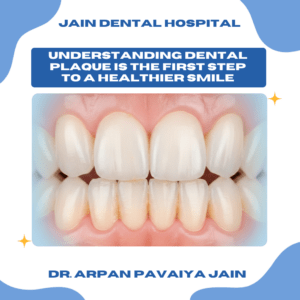
- Plaque formation: Plaque is a clear, sticky film of bacteria that constantly forms on your teeth. It develops quickly when you eat starchy or sugary foods and do not clean your teeth well.
- Acid attack: The bacteria in dental plaque especially Streptococcus mutans feed on the sugars you eat. As they feed, they produce harmful acids. These acids sit on your teeth and slowly eat away at the protective minerals.
- Enamel breakdown: The continuous acid exposure creates tiny, microscopic holes in your enamel. This is the very first stage of a cavity. At this point, the damage is still close to the surface.
- Dentin damage: Once the enamel is worn away, the bacteria and acid reach the next layer of your tooth. This layer is called dentin. Dentin is much softer than enamel and decays very rapidly.
- Pulp infection: If the decay continues, the bacteria will eventually reach the inner pulp of the tooth. The pulp contains sensitive blood vessels and nerves. Once the bacteria enter this area, serious pain and swelling occur.
What Causes Cavities in Teeth?
Many people believe that eating candy is the only way to get a cavity. The truth is much more complex. Tooth decay is the result of multiple factors working together over time.
By understanding the root causes of tooth decay, you can make smarter choices about your daily habits. We can divide these causes into main factors and hidden risk factors.
Main Causes
The primary causes of tooth decay are usually related to daily habits. These are the most common reasons patients develop dental caries.
- Poor oral hygiene: Failing to brush and floss regularly allows plaque to harden into tartar. Tartar creates a strong shield for bacteria, making it impossible to remove with a normal toothbrush.
- Sugary and acidic foods: Foods like soda, candy, and cookies provide endless fuel for mouth bacteria. Acidic drinks also weaken the enamel directly, speeding up the entire decay process.
- Bacteria in the mouth: Everyone has bacteria in their mouth. However, an overgrowth of harmful bacteria significantly increases the amount of acid produced after every meal.
Hidden Causes
Sometimes, people who brush and floss perfectly still develop cavities. This usually happens due to hidden risk factors that are easy to overlook.
- Dry mouth (low saliva): Saliva is your mouth’s natural defense against tooth decay. It washes away food particles and neutralizes bacterial acids. A lack of saliva leaves your teeth highly vulnerable to damage.
- Frequent snacking: Grazing on food all day means your teeth are under a constant acid attack. Your mouth never gets a chance to recover and remineralize the enamel.
- Genetics: Some people are simply born with softer enamel or deep grooves in their teeth. Deep grooves easily trap food particles and bacteria, making them prime spots for decay.
- Improper brushing technique: Scrubbing your teeth too hard can wear down the enamel. On the other hand, missing the back molars entirely allows thick layers of plaque to build up unnoticed.
Early Signs and Symptoms of Cavities
One of the trickiest things about tooth decay is that it often begins silently. You may have a developing cavity for months before you ever feel a single ache.
Catching these signs early can save you from needing a major dental procedure. Here are the most common early symptoms to watch for:
- Tooth sensitivity: You may notice a mild, fleeting discomfort when eating or drinking. This sensitivity is often the first sign that your enamel is thinning.
- Toothache (mild to severe): An unexplained pain in your tooth is a strong warning sign. This pain can range from a dull, throbbing ache to a sharp, sudden jolt.
- Visible holes or pits: As the decay progresses, you might actually see the physical damage. Small pits or noticeable holes may appear on the chewing surfaces of your teeth.
- Black, brown, or white stains: Discoloration on the surface of a tooth is a classic sign of dental caries. White chalky spots indicate early decay, while dark brown or black spots mean the cavity is advanced.
Pain while eating sweets or hot/cold foods: If sipping hot coffee or eating a piece of chocolate makes you wince, the decay has likely reached the sensitive dentin layer.
Stages of Tooth Decay (Cavity Progression)
Tooth decay does not happen overnight. It is a gradual process that destroys the tooth layer by layer. Understanding these stages is important because early intervention can completely reverse the damage.
Once the decay passes a certain point, professional dental treatment is the only option. Here are the five distinct stages of a cavity:
Stage 1: Demineralization (white spots): The tooth begins to lose vital minerals like calcium. You may see chalky white spots on the surface. At this stage, the decay is entirely reversible with proper care.
Stage 2: Enamel decay: The enamel continues to break down until a physical hole forms. The white spots may turn light brown. A dentist must repair this damage with a small filling.
Stage 3: Dentin decay: The cavity pushes past the hard enamel into the softer dentin beneath it. Because dentin contains microscopic tubes leading to the tooth nerve, you will likely start feeling pain.
Stage 4: Pulp damage: The bacteria reach the innermost chamber of the tooth, known as the pulp. This causes severe inflammation, swelling, and intense throbbing pain.
Stage 5: Abscess formation: The infection travels all the way down the tooth root and into the surrounding bone. A pocket of pus forms, causing extreme facial swelling and a high risk of systemic infection.
Are Cavities Painful?
A common question patients ask is whether every cavity causes pain. The simple answer is no. The level of pain depends entirely on how deep the decay has traveled into the tooth.
Because the outer enamel layer has no nerves, early tooth decay is usually completely painless.
Not always in early stages: When a cavity is just starting in the enamel, you will not feel it at all. This is why skipping dental visits is risky.
When pain starts (nerve involvement): Pain begins when the bacteria reach the dentin or the pulp. The nerves inside the tooth become irritated, leading to sharp pains or a constant dull ache.
Why some cavities go unnoticed: Cavities often form between two teeth or in the deep crevices of the back molars. Because they are out of sight and cause no early pain, they can grow dangerously large before you realize they exist.
How Dentists Diagnose Cavities
Modern dentistry makes finding cavities easier and more accurate than ever before. Dentists rely on a combination of traditional techniques and advanced technology to spot decay.
Early detection is our primary goal. Catching a cavity when it is microscopic means the treatment will be fast, affordable, and practically painless.
- Visual examination: Your dentist will carefully look at every surface of your teeth under a bright light. They are searching for chalky white spots, dark staining, or obvious structural damage.
- Dental X-rays: X-rays are crucial for finding cavities hiding between the teeth or below the gumline. Decay shows up on an X-ray as a dark shadow on the otherwise bright white tooth.
- Probing tools: Dentists use a specialized metal instrument called an explorer. They gently tap the tooth surfaces; if the enamel feels soft or sticky, a cavity is likely forming.
- Advanced detection (laser, digital tools): Many modern clinics use high-tech tools like near-infrared light or laser fluorescence (such as DIAGNOdent). These painless devices can detect hidden decay deep within the tooth structure before it appears on an X-ray.
How to Treat Cavities in Teeth
If you are diagnosed with a cavity, there is no need to panic. Dental treatments today are highly effective and incredibly gentle.
The treatment your dentist recommends will depend entirely on how far the decay has progressed. We always focus on saving as much of your natural tooth as possible.
Treatment Based on Severity
Here is a breakdown of the most common treatments used to restore a decayed tooth.
- Fluoride treatment (early stage): If the cavity is caught in the very first stage, a professional fluoride varnish can rebuild the enamel. This can reverse early-stage demineralization completely without any drilling.
- Fillings: For a standard cavity, the dentist will remove the decayed tissue and fill the hole. Modern composite resin fillings are colored to match your tooth perfectly.
- Crowns: If the decay is extensive, a filling will not be strong enough. The dentist will clear away the decay and place a custom-made cap, or crown, over the entire tooth to protect it.
- Root canal treatment: When the inner pulp of the tooth is infected, a root canal is necessary. The dentist carefully removes the infected nerve tissue, cleans the root, and seals it safely.
- Tooth extraction (last option): If the tooth is so severely decayed that it cannot be saved, it must be removed. The dentist will then discuss replacement options, like a dental implant or a bridge.
Cavity Treatment Comparison Chart
| Treatment Type | Best For | Typical Durability |
| Fluoride Treatment | Very early decay (white spots) | Permanent (if habits improve) |
| Composite Filling | Mild to moderate enamel/dentin decay | 5 to 10+ years |
| Dental Crown | Severe decay, weakened tooth structure | 10 to 15+ years |
| Root Canal Therapy | Deep infection reaching the tooth pulp | Lifetime (with proper care) |
Can Cavities Heal Naturally?
There is a lot of misinformation online about healing cavities naturally. It is vital to separate the myths from the scientific facts to protect your smile.
A cavity cannot be cured with diet changes or special oils alone once a physical hole has formed. However, early intervention can stop the process in its tracks.
- Myth vs fact: You cannot regrow lost tooth structure once a true hole exists. Drilling and filling is the only safe way to treat a moderate or severe cavity.
- Reversal only in early stage (remineralization): If the decay is only a white spot on the surface, it can be reversed. This process is called remineralization, where minerals are pushed back into the weakened enamel.
- Role of fluoride & saliva: Fluoride is the hero of remineralization. Combined with a healthy flow of saliva, fluoride binds to your enamel and makes it highly resistant to future acid attacks.
How to Prevent Cavities
Preventing tooth decay is much easier and more affordable than treating it. By building a strong daily routine, you can keep cavity-causing bacteria under control.
A proactive approach is the best defense. Incorporate these simple habits into your daily life to protect your smile.
- Brush twice daily (fluoride toothpaste): Use a soft-bristled brush and fluoride toothpaste every morning and night. Brushing mechanically sweeps away the sticky plaque before it can harden.
- Floss regularly: Your toothbrush cannot reach the tight spaces between your teeth. Flossing once a day removes the hidden food particles that cause between-tooth cavities.
- Limit sugar intake: Try to reduce the amount of candy, soda, and starchy snacks you consume. If you do enjoy a sweet treat, eat it with a meal rather than snacking on it alone.
- Drink more water: Staying hydrated keeps your saliva production high. Tap water is especially beneficial because it often contains added fluoride.
- Regular dental checkups: Visit your dentist every six months. Professional cleanings remove stubborn tartar, and your dentist can spot early warning signs before they become painful problems.
Cavities in Children vs Adults
Tooth decay does not discriminate based on age, but it does affect children and adults differently. According to the CDC, over 26% of adults aged 20 to 64 have untreated tooth decay.
Understanding your unique risk factors at different stages of life will help you tailor your oral care routine.
- Why kids are more prone: Children have thinner enamel on their primary (baby) teeth, allowing decay to spread very quickly. They also tend to struggle with proper brushing techniques.
- Bottle feeding & baby bottle tooth decay: Putting a baby to bed with a bottle of milk or juice is highly dangerous. The sugars sit on the teeth all night, causing rapid and severe decay.
- Adult risk factors (gum recession, dry mouth): As we age, our gums naturally recede, exposing the vulnerable tooth roots. Adults also frequently take medications that cause dry mouth, heavily increasing cavity risks.
What Happens If Cavities Are Not Treated?
Ignoring a cavity will never make it go away. Tooth decay is a progressive disease that will continue to spread until it is medically stopped.
Delaying treatment not only leads to more complex dental procedures, but it can also threaten your overall health.
- Severe pain: As the bacteria invade the deeper nerves of the tooth, you will experience intense, unrelenting pain that interrupts your sleep and daily life.
- Infection spread: A dental abscess is a serious pocket of infection. If left untreated, this infection can spread into your jawbone, your face, and even your bloodstream.
- Tooth loss: Eventually, the structural damage to the tooth becomes too great. The tooth will either break apart on its own or require a surgical extraction.
- Impact on overall health: Chronic dental infections keep your immune system under constant stress. This has been linked to a higher risk of systemic issues, including heart disease.
When to See a Dentist
Knowing exactly when to call your dentist can save you time, money, and discomfort. Do not wait for extreme pain before picking up the phone.
Staying ahead of dental issues requires a mix of vigilance and routine care.
- Warning signs: Call your dentist immediately if you experience sharp pain when biting down, lingering sensitivity to cold water, or if you spot a dark hole in your tooth. Swelling in your gums is a dental emergency.
- Preventive checkup timeline: You should sit in the dental chair every six months for a routine cleaning and exam. These regular visits allow us to monitor your enamel and catch microscopic decay instantly.
Frequently Asked Questions (FAQ)
Patients frequently ask us questions about the nature of tooth decay. Here are clear, straightforward answers to the most common inquiries we receive.
- What are cavities in simple words?
Cavities are permanent tiny holes in your teeth. They are caused by mouth bacteria mixing with sugary foods to create harmful, enamel-destroying acids.
- How long does it take for a cavity to form?
Tooth decay is a slow process. It typically takes anywhere from six months to five years for a cavity to fully develop, depending on your diet and oral hygiene.
- Can cavities go away on their own?
No, a formed cavity cannot heal itself. However, very early surface damage (demineralization) can be reversed with professional fluoride treatments before a hole appears.
- Are cavities permanent?
Yes, once a hole has formed in the tooth enamel, the physical damage is permanent. A dentist must place a filling to restore the shape and function of the tooth. - Do cavities smell?
Yes, untreated cavities can cause bad breath. The bacteria trapped inside the decayed tooth produce foul-smelling sulfur compounds as they multiply.
Conclusion: Protecting Your Smile for the Future
Taking proactive steps to protect your smile ensures long-term oral health and helps prevent the onset of more severe dental issues. A comprehensive oral care routine includes brushing your teeth twice a day with fluoride toothpaste, flossing daily to remove plaque from between teeth, and using an antibacterial mouthwash to reduce harmful bacteria. Equally important is maintaining a balanced diet low in sugary and acidic foods, as these can erode enamel and promote decay over time.
Regular dental visits play a crucial role in safeguarding your smile. These appointments not only include thorough cleanings to remove tartar buildup but also encompass detailed examinations to detect early signs of cavities, gum disease, or other concerns. Your dentist may also offer personalized advice on techniques or tools best suited to your dental needs.
By combining disciplined at-home care, professional dental support, and protective habits, you can maintain a healthy and confident smile for years to come. Investing in your oral health today will save you from potential discomfort and expensive procedures in the future.
Schedule Your Consultation Today
Don’t Let a Small Cavity Turn Into a Big Problem
Now that you understand what cavities in tooth are — how they start, progress, and the early signs to watch for — the next step is identifying whether your teeth are already at risk. Cavities often begin silently and can worsen without noticeable pain until significant damage has occurred.
At Jain Dental Hospital, Dr. Arpan Pavaiya Jain and Dr. Rashi Agarwal Jain conduct a thorough dental examination to detect early signs of tooth decay, enamel damage, and hidden cavities before they become serious. Early diagnosis allows for simple, painless treatments and helps prevent complications like infections or root canal procedures.
If you’ve noticed sensitivity, dark spots, or occasional discomfort, it’s advisable to get your teeth checked early and avoid long-term damage.
📞 Call: +91-9582535204
🌐 Visit: www.jaindentistdelhi.com
Medical Advice Disclaimer:
The information provided in this article is for general educational and informational purposes only and is not intended as professional medical or dental advice, diagnosis, or treatment. While we strive for accuracy, every patient’s dental anatomy and clinical needs are unique. Always seek the advice of your dentist or another qualified healthcare provider with any questions you may have regarding a medical condition. Never disregard professional medical advice or delay seeking it because of something you have read on this website

Dr. Arpan Pavaiya Jain, Director of Jain Dental Hospital, Indirapuram, Ghaziabad is a renowned Prosthodontist and Implantologist with over 20 years of expertise in advanced dentistry. A graduate of the prestigious King George’s Medical College Lucknow, he has performed more than 20,000 successful dental implant procedures. Dr. Jain leads a team of skilled professionals, offering state-of-the-art treatments in dental implants, clear aligners, cosmetic dentistry, orthodontics, and more. Known for his personalized care and commitment to excellence, he has earned a reputation as a trusted dental expert in Indirapuram, Ghaziabad.