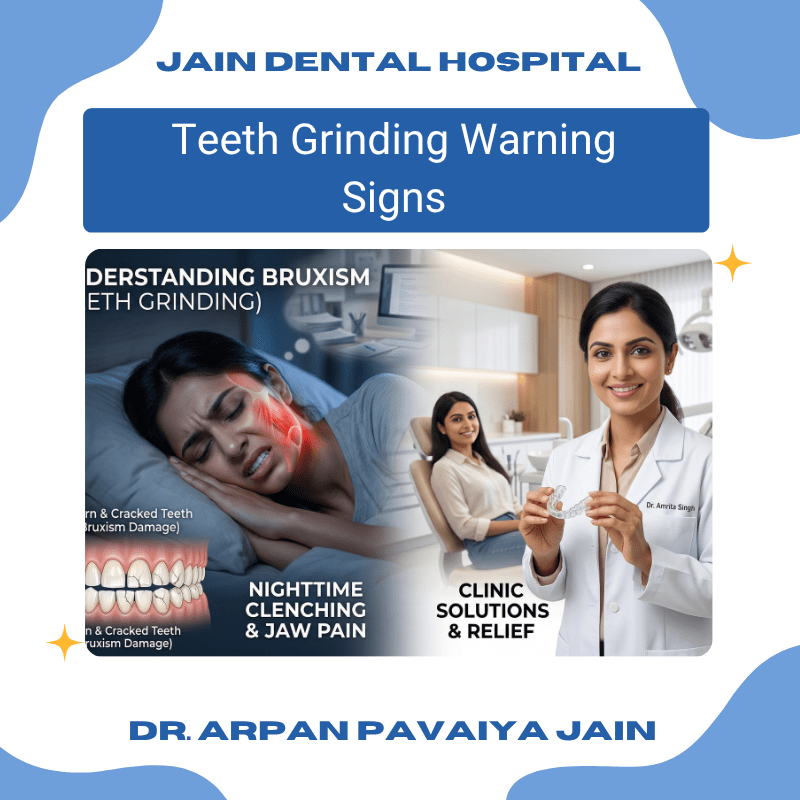
What is Bruxism? Causes, Symptoms, Treatment & Prevention of Teeth Grinding
Do you frequently wake up with a tight, aching jaw? Are unexplained morning headaches making it hard to start your day? You might be dealing with a very common, yet often hidden, dental issue known as teeth grinding. Many people suffer from this condition without even realizing it. They only discover the problem when a sleep partner hears the noise or a dentist spots the damage.
Learning what is bruxism can be the key to finally finding relief. This unconscious habit places massive pressure on your jaw muscles and teeth. Over time, it can lead to severe dental damage and chronic pain. By understanding the causes, recognizing the early signs, and exploring effective treatments, you can stop the grinding cycle. Read on to discover how to protect your smile, improve your sleep, and live pain-free.
What is Bruxism?
Bruxism is the official medical term for the habit of grinding, gnashing, or clenching your teeth. This condition happens involuntarily, meaning you do it without any conscious thought or purpose. While normal chewing breaks down food, this excessive grinding only breaks down your teeth.
Understanding the nature of this condition is the first step toward better oral health. It typically falls into two main categories based on when it happens. Sleep bruxism occurs while you are resting at night. Awake bruxism happens during your normal daytime hours.
Occasional teeth grinding is very common and usually harmless. You might clench your jaw during a highly stressful week at work. However, chronic grinding is a much bigger issue. When the habit becomes a daily occurrence, it places extreme stress on your mouth. This constant pressure can eventually destroy healthy tooth enamel and damage your jaw joints.
Types of Bruxism
There are two primary forms of teeth grinding. Identifying which type you experience is very important. It helps your dentist determine the root cause and recommend the best possible treatment plan for your specific needs.
Both types involve the exact same grinding and clenching motions. However, they happen under very different circumstances. They also require slightly different approaches to treatment and prevention.
Sleep Bruxism
Sleep bruxism happens entirely unconsciously while you are asleep. Because you are resting, you cannot actively stop the jaw muscles from tightening. People with this condition often exert incredible force on their teeth, sometimes reaching up to 250 pounds of pressure.
This nighttime grinding is officially classified as a sleep-related movement disorder. It is heavily linked to other rest issues. For example, patients who snore loudly or suffer from sleep apnea are at a much higher risk of grinding their teeth at night.
Awake Bruxism
Awake bruxism occurs during your waking hours. Instead of grinding the teeth back and forth, daytime sufferers are more likely to clench their jaw tightly. This is essentially an unconscious habit or a physical reaction to your environment.
You might notice your jaw muscles tightening when you face a stressful situation. It also frequently happens when you are concentrating deeply on a difficult task. Simply becoming aware of the habit is often the first step in stopping daytime clenching.
Causes of Bruxism
Doctors and dental experts do not always know the exact reason someone starts grinding their teeth. The condition rarely has one single cause. Instead, it usually develops from a mix of physical, psychological, and genetic factors.
Understanding your personal triggers can help you manage the condition effectively. Below are the most common factors that lead to chronic jaw clenching and teeth grinding.
- Stress and anxiety (primary cause): High stress levels are the leading trigger for teeth grinding. When you feel anxious or overwhelmed, your body naturally tenses up. This tension frequently settles directly in your jaw muscles.
- Sleep disorders (e.g., sleep apnea): Breathing disruptions during sleep greatly increase your risk of nighttime grinding. When your airway is blocked, your body may push the jaw forward to open it, causing the teeth to rub together.
- Misaligned teeth (malocclusion): Your upper and lower teeth should fit together smoothly. If you have missing, crooked, or misaligned teeth, your jaw may struggle to rest naturally. This awkward positioning can trigger spasms and grinding.
- Lifestyle factors: Your daily habits play a major role in your jaw muscle activity. Consuming high amounts of caffeine or alcohol stimulates the nervous system. Smoking tobacco also disrupts healthy sleep cycles and increases grinding risks.
- Medications (antidepressants, etc.): Certain prescription drugs affect how your muscles behave. Specific types of anti-anxiety medications and antidepressants list teeth grinding as a known, though uncommon, side effect.
- Neurological factors: Some medical conditions affect the brain and nervous system. Disorders like Parkinson’s disease or Huntington’s disease can cause involuntary muscle movements, including jaw clenching.
Signs and Symptoms of Teeth Grinding
Because nighttime grinding happens while you sleep, catching the early warning signs can be difficult. Many patients have no idea they clench their jaw until a loved one mentions the noise. Others only find out during a routine dental cleaning.
Paying close attention to how your mouth and head feel in the morning is crucial. If you experience any of the following symptoms on a regular basis, you should schedule a professional evaluation.
- Grinding or clenching sounds at night: This is often the most obvious sign. A sleep partner may hear loud, scraping noises coming from your mouth while you are deeply asleep.
- Jaw pain or tightness: Waking up with a stiff, tired, or locked jaw is a major red flag. The constant muscle contractions leave your jaw joints feeling sore and overworked.
- Headaches (especially morning): Grinding strains the muscles connecting your jaw to your skull. This tension frequently radiates upward, causing dull, lingering headaches around your temples.
- Worn, flattened, or chipped teeth: Your dentist might notice unusual wear patterns. The intense friction physically wears away the biting surfaces of your teeth, leaving them flat or jagged.
- Tooth sensitivity: As the protective outer layer of enamel wears down, the sensitive inner layers become exposed. This makes eating hot, cold, or sweet foods very painful.
- Ear pain without infection: The temporomandibular joint (TMJ) sits right next to your ear canal. Severe jaw strain can easily feel like a deep earache, even when your ears are perfectly healthy.
- Sleep disturbances: Constant jaw movement prevents you from reaching deep, restorative stages of sleep. You might wake up feeling exhausted, even after spending a full eight hours in bed.
Effects of Untreated Bruxism
Ignoring a teeth-grinding habit is never a good idea. While it might seem like a minor annoyance at first, the long-term consequences are severe. Your teeth are strong, but they cannot withstand constant, unnatural friction.
Failing to seek treatment can lead to complex dental emergencies and chronic daily pain. The effects listed below highlight why early intervention is so important.
- Tooth damage (cracks, fractures): The immense pressure can physically break your teeth. You may crack a tooth entirely or damage expensive dental work like crowns and fillings.
- Enamel erosion: Enamel is the hard shield protecting your teeth. Grinding strips this shield away permanently. Once your enamel is gone, your risk of rapid tooth decay skyrockets.
- TMJ disorders: The joints controlling your jaw are fragile. Constant clenching damages these joints, leading to a painful condition known as TMJ disorder. This causes loud popping sounds and limits how wide you can open your mouth.
- Facial pain: The facial muscles become chronically fatigued. This leads to persistent soreness in your cheeks, neck, and shoulders that rarely goes away.
- Poor sleep quality: Grinding ruins your ability to rest peacefully. Chronic sleep deprivation affects your immune system, mood, and overall quality of life.
How is Bruxism Diagnosed?
Diagnosing teeth grinding is usually a straightforward process. Your dentist is typically the first healthcare professional to spot the physical evidence. They know exactly what clues to look for during your regular checkups.
If you suspect you have a grinding habit, your dentist will perform a thorough evaluation. They will use several methods to confirm the diagnosis and determine the severity of the issue.
- Dental examination: Your dentist will carefully inspect your mouth. They will look for flattened tips on your teeth, receding gums, and visible cracks in your enamel.
- Patient history (symptoms, stress levels): Your dentist will ask questions about your daily life. They will want to know about your morning pain levels, sleep habits, and any recent emotional stress.
- Sleep study (if severe): If your dentist suspects a breathing issue is causing the grinding, they may recommend a sleep study. This overnight test monitors your breathing, muscle activity, and brain waves.
- Signs dentists look for (tooth wear, jaw tenderness): The dentist will gently press on your jaw muscles to check for stiffness. They will also look for bite marks along the inside of your cheeks or tongue.
Bruxism Treatment Options
The main goal of treating teeth grinding is to protect your smile and reduce pain. Because the causes vary from person to person, there is no single cure that works for everyone. Finding the right solution often requires a bit of trial and error.
Your dentist will work closely with you to create a customized care plan. The treatments listed below range from simple protective devices to advanced therapies.
Night Guards / Mouth Guards
A custom night guard is the most common and effective defense against sleep bruxism. These physical barriers keep your upper and lower teeth completely separated.
Custom guards are made from exact molds of your mouth, offering maximum comfort and durability. While you can buy over-the-counter options at a pharmacy, they are often bulky and less effective. A custom guard protects your enamel and greatly reduces jaw muscle strain.
Stress Management Techniques
Since stress is a primary trigger, finding healthy ways to relax is vital. Lowering your overall anxiety levels directly reduces the tension in your jaw muscles.
Meditation, deep breathing exercises, and yoga are excellent daily practices. If your stress feels unmanageable, speaking with a licensed therapist can provide helpful coping strategies. Cognitive behavioral therapy (CBT) is highly effective for breaking unconscious clenching habits.
Dental Corrections
Sometimes, fixing a physical issue in your mouth stops the grinding entirely. If your teeth do not align properly, your jaw muscles must work extra hard to close your mouth.
Your dentist might suggest a bite adjustment to reshape the chewing surfaces of your teeth. In more severe cases, orthodontic treatments like braces or clear aligners can move your teeth into their proper, relaxed positions.
Medications
Medications are generally used as a short-term solution for severe flare-ups. They are not usually recommended for lifelong management.
If your jaw pain is extreme, a doctor might prescribe a muscle relaxant to take before bed. This helps the jaw muscles rest overnight. In certain cases, modifying your current anxiety medications can also help reduce grinding side effects.
Treating Underlying Conditions
Teeth grinding is sometimes just a symptom of a larger medical issue. Treating that primary condition often resolves the jaw clenching automatically.
For instance, if sleep apnea is triggering your nighttime grinding, treating the apnea is crucial. Using a CPAP machine or a specialized oral appliance keeps your airway open. Once you can breathe freely at night, the unconscious grinding typically stops.
How to Stop Teeth Grinding Naturally (Prevention Tips)
You can make several simple lifestyle changes to protect your jaw. Taking a proactive approach at home is a great way to support your professional dental treatments.
Building healthy evening routines helps your brain and body wind down. Try incorporating the following natural prevention tips into your daily schedule.
- Reduce stress before sleep: Create a calm environment an hour before bed. Read a gentle book, take a warm bath, or listen to soft music to help your mind relax.
- Avoid caffeine/alcohol at night: Both of these substances disrupt natural sleep patterns. Stop drinking coffee in the early afternoon, and skip evening alcoholic beverages entirely.
- Maintain proper sleep hygiene: Go to bed at the exact same time every single night. Keep your bedroom cool, dark, and free from bright phone or television screens.
- Jaw relaxation exercises: Practice resting your tongue gently against the roof of your mouth, just behind your front teeth. This separates your teeth and forces your jaw to relax.
- Warm compress for jaw muscles: Hold a warm, damp washcloth against your cheeks before bed. The gentle heat increases blood flow and soothes tight, aching muscles.
When to See a Dentist?
You should never ignore persistent oral pain. Waiting too long to seek professional help only leads to more complex and expensive treatments later on.
If you notice any unusual changes in your mouth, it is time to schedule an appointment. Contact your dental provider immediately if you experience any of the following issues.
- Persistent jaw pain: Soreness that lasts all morning or throughout the day is abnormal. Healthy jaw muscles should feel relaxed when you wake up.
- Tooth damage or sensitivity: If your teeth look shorter, feel rough on the edges, or suddenly hurt when drinking cold water, your enamel is likely compromised.
- Frequent headaches: Waking up with dull pain around your temples multiple times a week is a strong indicator of nighttime clenching.
- Sleep disturbances: If your partner complains about loud grinding noises, or if you consistently wake up feeling exhausted, you need a professional evaluation.
Frequently Asked Questions (FAQ)
Is bruxism dangerous?
Yes, if left untreated, chronic teeth grinding is very harmful. It can permanently destroy tooth enamel, break expensive dental work, and cause severe TMJ disorders. Early intervention is vital to protect your oral health.
Can bruxism go away on its own?
Sometimes. Children who grind their teeth often outgrow the habit as their adult teeth emerge. For adults, temporary grinding caused by a short-term stressful event may resolve naturally. However, chronic grinding usually requires professional treatment.
How do I know if I grind my teeth at night?
Common signs include waking up with a sore jaw, morning headaches, and heightened tooth sensitivity. Your sleep partner might also hear loud scraping noises while you rest. A dentist can confirm the diagnosis by checking for unusual enamel wear.
Is teeth grinding related to stress?
Absolutely. Stress and anxiety are the most common triggers for both awake and sleep bruxism. When you feel overwhelmed, your body naturally tenses up, which frequently causes involuntary jaw clenching.
What is the best treatment for bruxism?
The best treatment depends on the exact cause of your grinding. For most patients, a custom-fitted night guard is the most effective way to protect the teeth from physical damage. Stress management and treating sleep apnea are also highly effective solutions.
Conclusion: Protecting Your Smile for the Future
Understanding what is bruxism empowers you to take control of your dental health. Teeth grinding is a very common condition, but it is not something you have to simply endure. By recognizing the early warning signs like morning headaches and jaw pain, you can stop the cycle of damage before it ruins your smile.
Early treatment is the best way to prevent permanent enamel loss and painful joint disorders. A simple, custom-fitted night guard can provide immediate relief and long-lasting protection.
Schedule Your Consultation Today
Protect Your Teeth from Hidden Damage — With Expert Care
Now that you understand what bruxism (teeth grinding) is — from its causes and early symptoms to the damage it can cause over time — the next step is identifying whether it’s affecting your oral health.
Teeth grinding often goes unnoticed, especially during sleep. Many people ignore early signs like mild jaw pain, headaches, or tooth sensitivity until the damage becomes more serious — leading to worn teeth, enamel loss, or long-term jaw issues.
At Jain Dental Hospital, our experienced dentists Dr. Arpan Pavaiya Jain and Dr. Rashi Agarwal Jain provide detailed dental evaluations to detect signs of bruxism early and prevent further damage. We assess your symptoms, examine tooth wear, and recommend the right approach — whether it’s preventive care, a custom night guard, or stress-related guidance.
If you’ve been experiencing jaw discomfort, headaches, or suspect teeth grinding — getting it checked early can save your teeth from long-term damage.
Take the first step towards protecting your smile with expert guidance.
📞 Call: +91-9582535204
🌐 Visit: www.jaindentistdelhi.com
Medical Advice Disclaimer:
The information provided in this article is for general educational and informational purposes only and is not intended as professional medical or dental advice, diagnosis, or treatment. While we strive for accuracy, every patient’s dental anatomy and clinical needs are unique. Always seek the advice of your dentist or another qualified healthcare provider with any questions you may have regarding a medical condition. Never disregard professional medical advice or delay seeking it because of something you have read on this website

Dr. Arpan Pavaiya Jain, Director of Jain Dental Hospital, Indirapuram, Ghaziabad is a renowned Prosthodontist and Implantologist with over 20 years of expertise in advanced dentistry. A graduate of the prestigious King George’s Medical College Lucknow, he has performed more than 20,000 successful dental implant procedures. Dr. Jain leads a team of skilled professionals, offering state-of-the-art treatments in dental implants, clear aligners, cosmetic dentistry, orthodontics, and more. Known for his personalized care and commitment to excellence, he has earned a reputation as a trusted dental expert in Indirapuram, Ghaziabad.