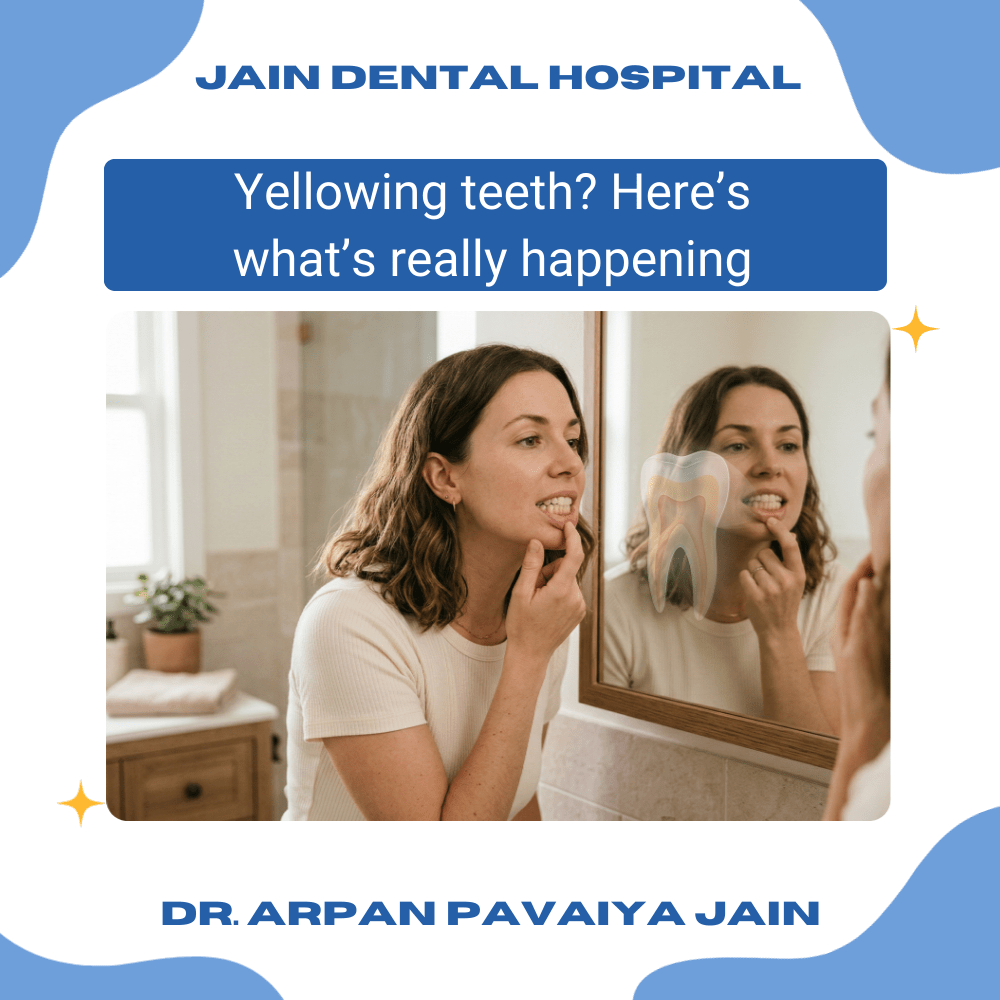
Why Do Teeth Turn Yellow Over Time? Understanding Causes, Prevention & Treatment
Noticing your teeth looking more yellow than they used to? You’re not alone. Tooth discoloration is one of the most common cosmetic dental concerns, affecting people of all ages. The good news? Understanding why teeth yellow over time—and what you can do about it—puts you back in control of your smile.
This comprehensive guide explores the science behind tooth discoloration, the factors that contribute to yellowing, and the most effective prevention and treatment strategies. Whether your teeth have gradually darkened with age or you’re noticing stubborn stains, you’ll find evidence-based answers and actionable solutions here.
Understanding Natural Tooth Color
Before we dive into why teeth turn yellow, it’s important to understand what “normal” tooth color actually looks like—and why it varies so much from person to person.
Teeth Are Not Naturally Pure White
Contrary to what social media filters might suggest, perfectly white teeth aren’t the natural standard. Healthy teeth exist on a spectrum of shades, ranging from light gray to yellowish-white. This variation is completely normal and influenced by several factors, including genetics, age, and the natural structure of your teeth.
Your tooth color is primarily determined by two key components: enamel and dentin. Enamel, the hard outer layer that protects your teeth, is actually semi-translucent. It doesn’t have much color on its own. Beneath the enamel lies dentin—a naturally yellow to brownish layer that gives teeth most of their visible color. The thickness and translucency of your enamel, combined with the shade of your dentin, create your unique tooth color.
Some people naturally have thicker, more opaque enamel that masks the yellow dentin underneath, resulting in brighter-looking teeth. Others have thinner or more translucent enamel, making the yellowish dentin more visible. Both scenarios are perfectly healthy—it’s simply a matter of individual variation.
Structure of a Tooth: Why It Matters
To understand why teeth turn yellow, you need to know a bit about tooth anatomy. Each tooth consists of multiple layers, but the two most relevant to tooth color are:
Enamel: This is the outermost protective layer—the hardest substance in the human body. Enamel is composed primarily of minerals and contains no living cells, which means it cannot repair itself once damaged. Its semi-translucent quality allows the color of the dentin beneath to show through. When enamel is thick and intact, teeth tend to look brighter. When it thins or erodes, more of the yellow dentin becomes visible.
Dentin: Located directly beneath the enamel, dentin is a softer, porous tissue with a naturally deep yellow to light brown color. Unlike enamel, dentin contains microscopic tubules and is alive with nerve endings. As enamel wears away over time—through aging, diet, or other factors—the yellowish dentin becomes increasingly visible, contributing to an overall yellowing appearance.
Understanding this structure is crucial because it explains why tooth discoloration isn’t always just about surface stains. Sometimes, yellowing originates from within the tooth itself, requiring different treatment approaches than surface-level whitening can provide.
Why Do Teeth Turn Yellow Over Time?
Tooth yellowing is a multifactorial process influenced by both external and internal factors. Some causes are preventable, while others—like aging and genetics—are simply part of life. Let’s explore the primary reasons teeth lose their brightness over time.
Aging and Enamel Thinning
As you grow older, your teeth naturally undergo changes that can lead to a more yellow appearance. This process is gradual and affects nearly everyone to some degree.
Natural wear and tear: Over the years, daily activities like chewing, grinding, and exposure to acidic foods gradually wear down tooth enamel. This wearing process, known as attrition, is a normal part of aging. As enamel thins, it becomes more translucent, allowing more of the yellow dentin underneath to show through. According to dental research, enamel becomes progressively thinner with age, which is why older adults typically have darker teeth than younger individuals.
Dentin becomes more visible: As enamel erodes and becomes more transparent, the naturally yellowish dentin layer becomes increasingly prominent. This internal yellowing is different from surface stains and can’t be removed by brushing alone. Additionally, dentin itself tends to darken slightly with age, further contributing to the yellowing effect.
The aging process also affects the pulp chamber inside your tooth, which can shrink over time. This structural change can alter how light reflects off your teeth, making them appear less bright. While you can’t stop the aging process, understanding its role in tooth discoloration helps set realistic expectations and guides treatment choices.
Poor Oral Hygiene
Inadequate oral care is one of the most preventable causes of yellow teeth. When you don’t brush and floss regularly, dental plaque—a sticky film of bacteria and food particles—accumulates on your teeth.
Plaque and tartar buildup: Plaque naturally forms on teeth throughout the day. If it’s not removed through proper brushing and flossing, it hardens into a calcified substance called tartar (or calculus). Tartar is rough and porous, making it an ideal surface for stains to cling to. It appears as a yellowish or brownish deposit, typically along the gum line and between teeth, and can only be removed through professional dental cleaning.
Lack of regular brushing and flossing: The American Dental Association recommends brushing your teeth twice daily for two minutes each time, using fluoride toothpaste and a soft-bristled brush. Flossing daily is equally important because it removes plaque and food particles from between teeth—areas your toothbrush can’t effectively reach. When these practices are neglected, plaque accumulates, bacteria thrive, and staining intensifies. Moreover, poor oral hygiene can lead to gum disease and cavities, both of which can contribute to tooth discoloration.
Maintaining consistent oral hygiene not only prevents yellowing but also protects against more serious dental problems. Even if your teeth have already yellowed due to past neglect, improving your oral care routine can prevent further discoloration and improve your overall oral health.
Food and Drink Stains
What you eat and drink has a direct impact on the color of your teeth. Certain foods and beverages contain intense pigments called chromogens, which can adhere to tooth enamel and cause extrinsic (surface) stains.
Coffee: One of the most notorious culprits, coffee contains tannins—plant compounds that cause color to stick to enamel. Regular coffee consumption, especially when sipped slowly over time, bathes your teeth in these staining compounds repeatedly throughout the day.
Tea: Like coffee, tea—particularly black tea—is rich in tannins. Interestingly, even some herbal teas can cause staining. Studies have shown that tea can actually cause more significant discoloration than coffee due to its higher tannin content.
Red wine: Red wine is a double threat for tooth discoloration. It contains both tannins and chromogens, along with acids that can temporarily soften enamel, making it more susceptible to staining. Even white wine, though lighter in color, has high acidity that can erode enamel and create a rougher surface where stains can more easily take hold.
Cola and dark sodas: These beverages combine intense color with high acidity and sugar content. The acid weakens enamel, while the chromogens cause stains. Diet sodas aren’t off the hook either—they still contain the acids and colorants that contribute to yellowing.
Berries: Deeply colored fruits like blueberries, blackberries, and cherries are packed with antioxidants and health benefits, but their intense pigments can also stain teeth, especially if consumed frequently without rinsing afterward.
Turmeric-rich foods: This vibrant yellow spice, commonly used in curry dishes and golden milk, is known for its staining power. While turmeric offers numerous health benefits, its pigments can cling to enamel and leave behind yellow stains.
The key takeaway isn’t that you need to avoid these foods and drinks entirely—many offer significant nutritional value. Instead, be mindful of consumption patterns and take protective steps, like rinsing with water after eating or drinking, to minimize staining.
Smoking and Tobacco Use
Tobacco use—whether through smoking cigarettes, cigars, or using chewing tobacco—is one of the most damaging habits for tooth color. The effects are both immediate and long-lasting.
Nicotine stains: While nicotine itself is colorless, it turns yellow when combined with oxygen. When you smoke or use tobacco products, nicotine and tar settle on tooth enamel, creating stubborn yellow and brown stains. These stains penetrate the microscopic pores in enamel and become increasingly difficult to remove over time.
Long-term discoloration: Research consistently shows that tooth discoloration is significantly more common among tobacco users compared to non-users. The longer and more frequently you use tobacco, the darker and more entrenched the stains become. In some cases, heavy smokers develop deep brown or even grayish discoloration that requires professional intervention to improve.
Beyond aesthetics, tobacco use increases your risk of gum disease, tooth decay, oral cancer, and tooth loss. Quitting tobacco not only prevents further staining but also dramatically improves your overall oral and systemic health.
Medications and Medical Conditions
Certain medications and health conditions can cause intrinsic tooth discoloration—staining that originates from within the tooth structure itself.
Antibiotics (e.g., tetracycline): Tetracycline and doxycycline are antibiotics that can cause permanent tooth discoloration if taken during childhood when teeth are still developing. If a mother takes these antibiotics during the second half of pregnancy or a child takes them before age eight, the medications can bind to calcium in developing teeth, resulting in gray, brown, or yellow bands or streaks. This type of discoloration is intrinsic and often requires professional whitening or cosmetic dental work to improve.
Chemotherapy: Cancer treatments, including chemotherapy and radiation therapy to the head and neck, can affect tooth color. These treatments may damage the enamel or alter the internal structure of teeth, leading to discoloration.
Excess fluoride (fluorosis): While fluoride is essential for preventing cavities, consuming too much during childhood—when teeth are forming—can cause a condition called fluorosis. This results in white spots, streaks, or in severe cases, brown discoloration on the teeth. Fluorosis is typically caused by swallowing fluoride toothpaste, drinking fluoridated well water with high fluoride levels, or overuse of fluoride supplements.
Other medications: Certain antihistamines, antipsychotic drugs, and medications for high blood pressure can also contribute to tooth discoloration as a side effect.
If you’re taking medications that may affect tooth color, discuss potential side effects with your dentist. While you may not be able to stop the medication, your dentist can recommend strategies to minimize discoloration.
Genetics
Your genes play a significant role in determining your natural tooth color, and there’s not much you can do to change what you’ve inherited.
Naturally thinner enamel: Some people are genetically predisposed to having thinner enamel. Since enamel is semi-translucent, thinner enamel allows more of the yellow dentin underneath to show through, resulting in a naturally yellower appearance. This doesn’t indicate poor dental health—it’s simply a structural variation.
Inherited tooth shade: Tooth color exists on a spectrum, ranging from reddish-brown to reddish-yellow, gray, and reddish-gray. Your natural shade is largely determined by genetics. If your parents have naturally darker or more yellow teeth, you’re more likely to have a similar shade. This genetic baseline is completely healthy and doesn’t require treatment unless you’re dissatisfied with the appearance.
Understanding the genetic component of tooth color can help set realistic expectations for whitening treatments. Professional whitening can lighten your teeth several shades, but it works within the limits of your natural enamel and dentin structure.
Dental Trauma
Physical injuries to your teeth can result in discoloration, sometimes years after the initial trauma occurred.
Injury leading to internal discoloration: A blow to the mouth—from sports injuries, falls, or accidents—can damage the blood vessels and nerves inside a tooth. When this happens, the tooth may bruise internally, similar to how skin bruises after an injury. The trapped blood and breakdown products can cause the tooth to turn gray, brown, or yellow over time. In some cases, the discoloration appears immediately; in others, it develops gradually over months or years.
Childhood trauma can also disrupt the development of permanent teeth that are still forming under the gums, potentially causing discoloration when those teeth eventually erupt. If you or your child experiences dental trauma, it’s important to see a dentist promptly, even if the tooth appears undamaged initially. Early intervention can sometimes prevent discoloration and other complications.
Types of Tooth Discoloration
Not all tooth discoloration is the same. Understanding the difference between extrinsic and intrinsic stains is important because each type responds differently to treatment.
Extrinsic Stains (Surface Stains)
Extrinsic stains affect only the outer surface of the tooth—the enamel. These stains are typically caused by external factors like food, drinks, and tobacco.
Caused by food, drinks, tobacco: Chromogens (color compounds) from coffee, tea, red wine, berries, cola, and tobacco products adhere to the porous surface of tooth enamel. Over time, repeated exposure causes these pigments to accumulate, resulting in visible yellowing or browning. Poor oral hygiene exacerbates extrinsic staining because plaque and tartar provide a rough surface for stains to cling to.
Easier to treat: The good news about extrinsic stains is that they’re generally responsive to whitening treatments. Professional dental cleanings can remove surface plaque and tartar, taking some stains with them. Whitening toothpastes, over-the-counter whitening products, and professional teeth whitening treatments can all effectively lighten extrinsic discoloration. Because these stains are on the surface, they’re more accessible to whitening agents.
Intrinsic Stains (Internal Discoloration)
Intrinsic stains originate from within the tooth structure itself, affecting the dentin layer beneath the enamel. These stains are more complex and often require more intensive treatment.
Within the tooth: Intrinsic discoloration occurs when the inner structure of the tooth darkens or develops a yellow tint. This can happen due to aging (as dentin naturally darkens over time), excessive fluoride exposure during childhood, certain medications like tetracycline, dental trauma, or tooth decay that has penetrated the enamel.
More complex treatment: Because intrinsic stains are internal, surface-level treatments like whitening toothpastes have limited effect. However, professional teeth whitening using higher concentrations of hydrogen peroxide or carbamide peroxide can penetrate the enamel and reach the dentin, lightening intrinsic stains to some degree. For severe intrinsic discoloration—such as tetracycline staining or a tooth that has died due to trauma—more advanced cosmetic treatments like dental bonding, veneers, or crowns may be necessary to achieve satisfactory results.
Understanding whether your discoloration is extrinsic, intrinsic, or a combination of both helps your dentist recommend the most effective treatment approach.
How to Prevent Teeth from Turning Yellow
Prevention is always easier than treatment. By adopting good oral hygiene habits and making smart lifestyle choices, you can significantly reduce your risk of tooth yellowing.
Proper Brushing Technique
Brushing your teeth correctly is the foundation of good oral health and stain prevention.
Twice daily: The American Dental Association recommends brushing your teeth at least twice a day—once in the morning and once before bed. This routine removes plaque and food particles before they have a chance to harden into tartar or cause stains.
Soft-bristled brush: Use a soft-bristled toothbrush to protect your enamel and gums. Hard-bristled brushes can be too abrasive, potentially wearing down enamel over time and causing gum recession. Electric toothbrushes can be particularly effective at removing plaque, especially for people with limited dexterity.
Fluoride toothpaste: Choose a fluoride toothpaste to strengthen enamel and protect against decay. Fluoride helps remineralize areas of enamel that have been weakened by acid exposure, making teeth more resistant to staining and cavities. Studies consistently show that fluoride toothpaste is effective in preventing dental caries and maintaining oral health.
Two-minute duration: Brush for at least two minutes each time—about 30 seconds per quadrant of your mouth. Many people rush through brushing, missing areas where plaque can accumulate. Consider using a timer or an electric toothbrush with a built-in timer to ensure you’re brushing long enough.
Technique matters: Hold your toothbrush at a 45-degree angle to your gums and use gentle, circular motions. Brush all surfaces of each tooth—outer, inner, and chewing surfaces. Don’t forget to gently brush your tongue, which can harbor bacteria and contribute to bad breath and staining.
Flossing Daily
Brushing alone can’t reach the tight spaces between your teeth where plaque accumulates. That’s where flossing comes in.
Flossing once a day removes food particles and plaque from between teeth and along the gum line—areas your toothbrush bristles simply can’t access effectively. The American Dental Association emphasizes that cleaning between teeth with floss or another interdental cleaner is an essential part of oral care. When plaque is allowed to build up in these areas, it hardens into tartar and provides a surface for stains to cling to, contributing to yellowing between teeth.
If traditional floss is difficult or uncomfortable for you, consider alternatives like floss picks, interdental brushes, or water flossers. The best interdental cleaning method is the one you’ll use consistently. Research suggests that interdental brushes may be slightly more effective than floss for some people, particularly those with wider spaces between teeth or gum disease.
Limiting Staining Foods & Drinks
You don’t have to eliminate your favorite foods and beverages entirely, but being strategic about consumption can make a big difference.
Rinse after coffee/tea: After drinking coffee, tea, or other staining beverages, rinse your mouth with water. This simple step helps wash away pigments before they have a chance to adhere to enamel. Swishing water around your mouth for 30 seconds can significantly reduce staining.
Use a straw for dark beverages: When drinking cola, iced tea, iced coffee, or other dark liquids, use a straw to minimize contact between the beverage and your teeth. Position the straw toward the back of your mouth so the liquid bypasses your front teeth. This won’t eliminate staining entirely, but it can reduce exposure.
Don’t sip slowly over time: Extended exposure to staining beverages increases the risk of discoloration. Instead of sipping coffee or tea throughout the morning, try to finish your drink within a reasonable timeframe and then rinse with water. The longer your teeth are bathed in staining compounds, the more opportunity those pigments have to penetrate enamel.
Wait before brushing acidic foods: After consuming acidic foods or drinks—like citrus fruits, soda, or vinegar-based dressings—wait about an hour before brushing your teeth. Acids temporarily soften enamel, and brushing immediately can press the acid deeper into the tooth surface, potentially causing more harm than good. Waiting gives your saliva time to neutralize the acid and remineralize the enamel. In the meantime, rinse with water to help wash away acid residue.
Professional Dental Cleanings
Even with excellent home care, professional cleanings are essential for maintaining bright teeth and overall oral health.
Every 6 months: Most people should visit their dentist for a professional cleaning and examination every six months. However, the ideal frequency can vary based on individual risk factors. Some people with excellent oral health and low risk of cavities or gum disease may only need cleanings once a year, while others with higher risk factors may benefit from more frequent visits—every three or four months.
During a professional cleaning, a dental hygienist uses specialized tools to remove plaque and tartar buildup that you can’t eliminate with brushing and flossing alone. This thorough cleaning removes surface stains and polishes teeth, leaving them looking brighter. Regular cleanings also allow your dentist to monitor your oral health, catch problems early, and provide personalized recommendations for preventing yellowing and other issues.
Quit Smoking
If you smoke or use other tobacco products, quitting is one of the most effective steps you can take to prevent further tooth yellowing and improve your overall health.
Tobacco stains are notoriously stubborn and become progressively worse with continued use. Quitting not only stops new stains from forming but also makes existing stains easier to remove with professional whitening. Beyond aesthetics, quitting tobacco dramatically reduces your risk of gum disease, oral cancer, tooth loss, heart disease, and numerous other health problems.
Your dentist or healthcare provider can recommend evidence-based smoking cessation programs, medications, and support resources to help you successfully quit. The benefits for your teeth, gums, and overall health are well worth the effort.
Treatment Options to Whiten Yellow Teeth
If your teeth have already yellowed, don’t worry—there are several effective treatment options available to restore brightness to your smile. The right choice depends on the type and severity of discoloration, your budget, and your personal preferences.
Professional Teeth Whitening
Professional teeth whitening, performed under the supervision of a dentist, is widely considered the most effective and safest approach to brightening discolored teeth.
In-clinic bleaching: In-office whitening treatments use high-concentration bleaching agents—typically hydrogen peroxide or carbamide peroxide—to break up stains and lighten teeth. During the procedure, your dentist applies a protective barrier to your gums and then carefully applies the whitening gel to your teeth. Some systems use a special light or laser to enhance the whitening process, though research on the effectiveness of light activation is mixed. A typical in-office whitening session takes about an hour and can lighten teeth by several shades in a single visit.
Faster and safer results: Professional whitening offers significant advantages over at-home methods. Dentists can use higher concentrations of whitening agents than over-the-counter products, delivering more dramatic results in less time. Additionally, your dentist customizes the treatment to your specific needs and monitors your teeth throughout the process, minimizing the risk of sensitivity or damage to your gums and enamel. Studies show that in-office whitening can effectively treat both extrinsic and some types of intrinsic stains, particularly when multiple sessions are used.
At-Home Whitening Kits
For those who prefer a more gradual approach or want the convenience of whitening at home, dentist-supervised at-home kits are an excellent option.
Dentist-prescribed trays: Your dentist takes impressions of your teeth to create custom-fitted whitening trays. These trays fit snugly over your teeth, ensuring even distribution of the whitening gel and minimizing contact with your gums. You’ll receive professional-strength whitening gel to use at home—typically containing 10% to 38% carbamide peroxide or a lower concentration of hydrogen peroxide.
Depending on the concentration of the gel, you’ll wear the trays for 30 minutes to several hours per day, or even overnight. Most at-home whitening regimens last one to six weeks, depending on the desired level of whitening and the product used. While this method takes longer than in-office treatment, it offers flexibility and can achieve significant results when used as directed.
Whitening strips: Over-the-counter whitening strips are another popular at-home option. These thin, flexible strips are coated with a peroxide-based whitening gel. You apply them directly to your teeth, usually for 30 minutes once or twice a day, for about two weeks. While convenient and less expensive than professional treatments, over-the-counter strips typically contain lower concentrations of whitening agents and may not deliver results as dramatic or long-lasting as professional options. Look for products with the ADA Seal of Acceptance, which indicates they’ve been tested for safety and efficacy.
Dental Veneers
For severe discoloration that doesn’t respond to whitening treatments—such as tetracycline staining, severe fluorosis, or a tooth that has died due to trauma—dental veneers may be the best solution.
For severe discoloration: Veneers are thin shells made of porcelain or composite resin that are permanently bonded to the front surfaces of your teeth. They can dramatically improve the color, shape, and appearance of your smile. Porcelain veneers, in particular, are highly resistant to staining and can last 10 to 15 years with proper care.
The veneer process typically requires two or three dental visits. During the first visit, your dentist removes a small amount of enamel from the front of your teeth to make room for the veneers. Impressions are taken and sent to a dental lab, where custom veneers are fabricated. At a subsequent appointment, the veneers are bonded to your teeth, instantly transforming your smile.
It’s important to understand that veneers are not reversible—once enamel is removed, you’ll always need veneers or another restoration to protect those teeth. However, for people with significant intrinsic discoloration, veneers offer a permanent and aesthetically pleasing solution.
Dental Bonding
Dental bonding is a less invasive and more affordable cosmetic option for addressing localized discoloration.
Cosmetic correction: During a bonding procedure, your dentist applies a tooth-colored composite resin directly to the discolored tooth. The resin is carefully shaped and sculpted to match the surrounding teeth, then hardened with a special light. Bonding can effectively camouflage yellow, brown, or gray stains, as well as repair chips or close small gaps.
Bonding is typically completed in a single visit and requires little to no removal of enamel. However, the composite material is more porous than porcelain and may stain over time, especially if you frequently consume staining foods and drinks or smoke. Touch-ups are usually needed every five to seven years. Dental bonding is a good option for one or two discolored teeth, but if you have widespread yellowing, other treatments like professional whitening or veneers may be more appropriate.
When Should You See a Dentist?
While tooth yellowing is often a cosmetic concern, certain situations warrant prompt professional evaluation.
Sudden discoloration: If your teeth suddenly become significantly more yellow or develop dark spots without an obvious cause—like starting a new medication or changing your diet—schedule an appointment with your dentist. Rapid discoloration can sometimes indicate underlying dental problems, such as tooth decay or infection.
Single tooth turning yellow or dark: When just one tooth changes color while the others remain normal, it’s often a sign of trauma, nerve damage, or decay. A tooth that turns gray or brown may have a dying or dead nerve inside, which requires evaluation and possibly root canal treatment. Don’t ignore discoloration in a single tooth, even if it’s not causing pain.
Sensitivity or pain: If tooth discoloration is accompanied by sensitivity to hot, cold, or sweet foods, or if you experience pain when chewing, you may have cavities, enamel erosion, or gum disease. These conditions require prompt treatment to prevent further damage and restore oral health.
Other symptoms: Discolored teeth combined with bad breath, bleeding gums, visible holes in teeth, or loose teeth are red flags that shouldn’t be ignored. These symptoms often indicate more serious dental issues that need immediate attention.
Even if you’re simply dissatisfied with the color of your teeth and want a brighter smile, a consultation with your dentist is the best first step. Your dentist can evaluate the cause of discoloration, assess your overall oral health, and recommend the most effective and safe treatment options tailored to your needs.
Frequently Asked Questions (FAQ)
Is yellow teeth a sign of poor hygiene?
Not always. While poor oral hygiene can certainly contribute to yellow teeth—through plaque and tartar buildup—yellowing can also result from factors beyond your control, such as aging, genetics, medications, or dental trauma. Some people with excellent oral hygiene naturally have yellower teeth due to thinner enamel or a naturally darker dentin shade. That said, maintaining good oral hygiene is essential for preventing yellowing caused by plaque, tartar, and surface stains.
Can yellow teeth become white again naturally?
There are no reliable natural methods to significantly whiten teeth. While some home remedies—like brushing with baking soda or oil pulling with coconut oil—are popular online, scientific evidence supporting their effectiveness is limited. Baking soda has mild abrasive properties that may help remove some surface stains, but it won’t change your teeth’s intrinsic color. Some “natural” methods, like brushing with lemon juice or apple cider vinegar, can actually harm your enamel due to their high acidity. The most effective way to whiten yellow teeth is through professional dental treatments or dentist-supervised at-home whitening kits.
Why are my teeth yellow even after brushing?
There are several possible reasons. First, you may not be brushing effectively—missing certain areas, not brushing long enough, or using improper technique. Second, brushing alone can’t remove hardened tartar, which provides a rough surface for stains to cling to; professional cleanings are needed for that. Third, intrinsic discoloration—caused by factors like aging, genetics, medications, or enamel thinning—won’t improve with brushing because the yellowing originates from within the tooth. Finally, frequent consumption of staining foods and drinks can overwhelm your brushing efforts if you don’t rinse afterward or limit exposure.
Does aging always cause yellow teeth?
Not always, but it’s very common. Aging naturally thins tooth enamel through years of chewing, grinding, and exposure to acidic foods. As enamel wears away and becomes more translucent, the yellowish dentin underneath becomes more visible. Additionally, dentin itself can darken slightly with age. While most people experience some degree of yellowing as they age, the extent varies based on genetics, diet, oral hygiene, and lifestyle factors like smoking. Good oral care and preventive habits can help slow the aging-related yellowing process.
Are yellow teeth unhealthy?
Not necessarily. Yellow teeth alone don’t indicate poor health. In many cases, yellowing is simply a cosmetic issue caused by natural aging, genetics, or lifestyle factors. However, if yellowing is accompanied by other symptoms—such as sensitivity, pain, bad breath, bleeding gums, or visible decay—it may signal underlying dental problems like cavities, gum disease, or enamel erosion. The healthiest approach is to maintain excellent oral hygiene, visit your dentist regularly, and address any concerns about tooth color or other symptoms with your dental professional.
Conclusion: Achieving and Maintaining a Brighter Smile
Yellowing teeth are a common concern, but they don’t have to be permanent. Understanding the causes—from aging and enamel thinning to diet, tobacco use, and medications—empowers you to take proactive steps to prevent further discoloration and explore effective treatment options.
Whether your teeth have yellowed due to surface stains or intrinsic factors, solutions are available. Simple lifestyle changes—like improving your brushing technique, flossing daily, limiting staining foods and drinks, and quitting tobacco—can make a noticeable difference. For more significant discoloration, professional teeth whitening, dental bonding, veneers, and other cosmetic treatments can restore brightness to your smile.
Remember, the best treatment plan is one tailored to your unique needs. Schedule a consultation with your dentist to discuss your concerns, explore your options, and create a personalized approach to achieving the bright, confident smile you deserve.
Schedule Your Consultation Today
Understand What’s Causing Your Teeth to Yellow — Before It Gets Worse
If you’ve started noticing your teeth looking darker or more yellow than before, it’s important to understand the reason behind the change. In many cases, yellowing develops gradually due to enamel thinning, diet, aging, or lifestyle habits. However, sudden discoloration or a single tooth turning darker may signal an underlying dental concern that needs professional evaluation.
At Jain Dental Hospital, Dr. Arpan Pavaiya Jain and Dr. Rashi Agarwal Jain take a science-based approach to diagnosing tooth discoloration. Whether your yellowing is caused by surface stains, internal changes, or enamel wear, we carefully assess the root cause before recommending the safest and most effective treatment — from professional cleaning to advanced whitening or cosmetic correction.
If you’re unsure whether your teeth need simple polishing or professional whitening, we encourage you to schedule a consultation. Early evaluation helps prevent minor cosmetic concerns from turning into more complex dental issues.
📞 Call: +91-9582535204
🌐 Visit: www.jaindentistdelhi.com

Dr. Arpan Pavaiya Jain, Director of Jain Dental Hospital, Indirapuram, Ghaziabad is a renowned Prosthodontist and Implantologist with over 20 years of expertise in advanced dentistry. A graduate of the prestigious King George’s Medical College Lucknow, he has performed more than 20,000 successful dental implant procedures. Dr. Jain leads a team of skilled professionals, offering state-of-the-art treatments in dental implants, clear aligners, cosmetic dentistry, orthodontics, and more. Known for his personalized care and commitment to excellence, he has earned a reputation as a trusted dental expert in Indirapuram, Ghaziabad.