Why Does My Breath Smell Bad Even After Brushing? 10 Hidden Causes
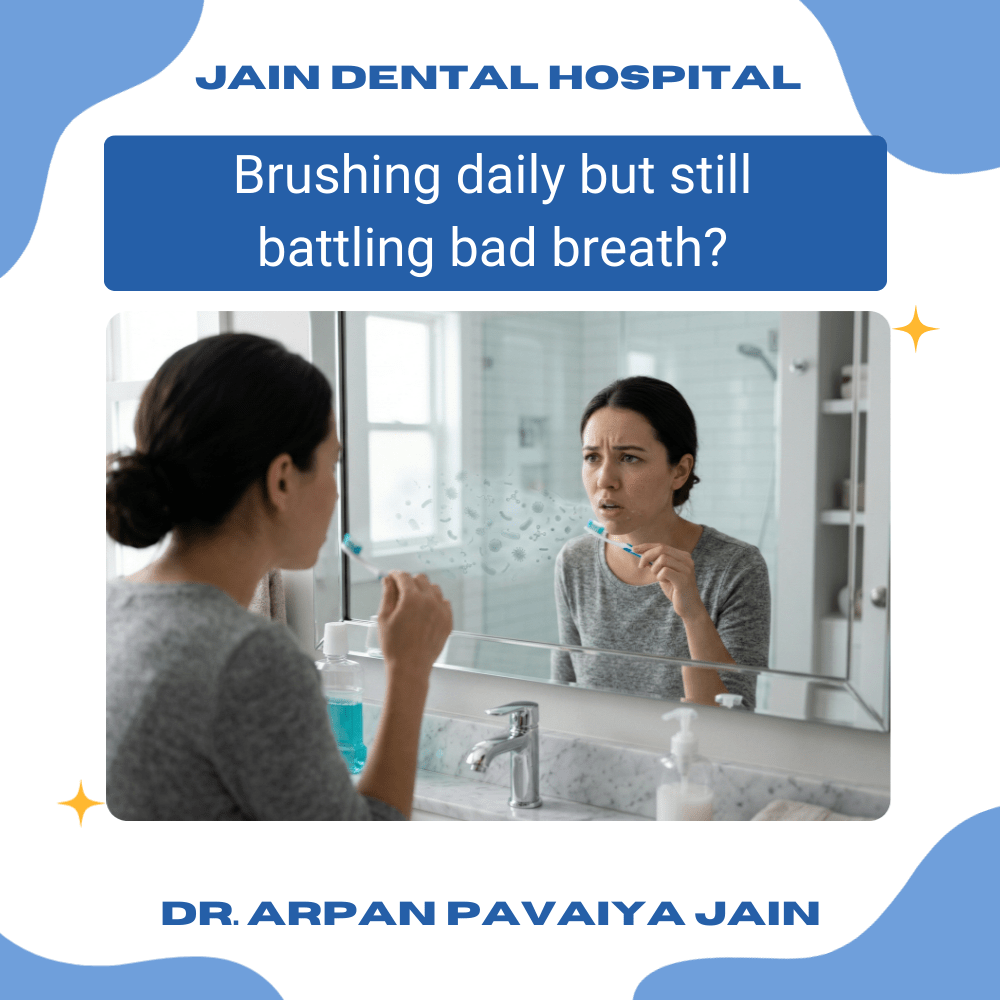
You brush twice a day. You floss. You even use mouthwash. Yet that unpleasant odor lingers, leaving you self-conscious and frustrated. If you’re wondering why your breath still smells bad even after brushing, you’re not alone.
Bad breath, medically known as halitosis, affects more than half of adults at some point in their lives. While poor oral hygiene is often blamed, persistent bad breath can stem from several underlying causes that brushing alone cannot fix. Understanding these root causes is the first step toward achieving lasting freshness and confidence.
This comprehensive guide explores the hidden culprits behind stubborn halitosis, from oral health issues to systemic conditions, and provides actionable solutions to help you reclaim fresh breath for good.
What Is Halitosis? Understanding Bad Breath
Halitosis is the medical term for bad breath. It refers to any unpleasant odor emanating from the mouth, which can range from mildly sour to distinctly foul. While everyone experiences temporary bad breath after eating garlic or waking up in the morning, chronic halitosis persists throughout the day despite regular oral care.
Temporary vs. Chronic Bad Breath
Temporary bad breath typically results from food choices, dehydration, or skipping your oral hygiene routine. It disappears once you brush, floss, or drink water. Chronic halitosis, on the other hand, is persistent and often signals an underlying issue that requires professional attention.
Why Morning Breath Is Normal
Morning breath occurs naturally because saliva production decreases during sleep. Saliva helps wash away food particles and bacteria, so reduced flow overnight allows odor-causing bacteria to multiply. This is why your breath is often worse when you wake up, especially if you sleep with your mouth open.
10 Common Causes of Bad Breath Even After Brushing
Even with diligent brushing and flossing, bad breath can persist. Below are the top causes that might be contributing to your halitosis, along with detailed explanations to help you identify the source.
1. Tongue Bacteria Buildup
Your tongue’s uneven surface creates the perfect environment for bacteria to thrive. The back of the tongue, in particular, has tiny grooves and papillae where bacteria, dead cells, and food particles accumulate. These bacteria break down proteins and release volatile sulfur compounds (VSCs), which produce that characteristic rotten egg smell.
Brushing your teeth alone won’t eliminate these bacteria because your toothbrush often doesn’t reach the back of your tongue effectively. This is why tongue cleaning is essential for fresh breath.
Solution: Use a tongue scraper daily. Gently scrape from the back of your tongue toward the front, rinsing the scraper between passes. You can also use the back of your toothbrush if it has a textured surface designed for tongue cleaning. Do this once in the morning and many people notice improvement within days.
Gum Disease (Gingivitis & Periodontitis)
Gum disease is one of the most common causes of persistent bad breath. It begins with gingivitis, the early stage of gum disease characterized by inflammation, redness, and bleeding gums. If left untreated, gingivitis progresses to periodontitis, a more severe condition where infection spreads below the gumline, creating deep pockets between your teeth and gums.
These pockets harbor bacteria and food debris that brushing and flossing cannot reach. The bacteria release toxins and sulfur compounds that cause a foul odor. Additionally, the infection itself produces pus, which has a distinctly unpleasant smell.
Solution: Schedule a professional dental cleaning to remove plaque and tartar buildup. If you have advanced gum disease, your dentist may recommend scaling and root planing, a deep cleaning procedure that removes bacteria from below the gumline. Maintain excellent oral hygiene at home by brushing twice daily, flossing once a day, and using an antibacterial mouthwash.
3. Poor Flossing Habits
Brushing alone cannot clean the tight spaces between your teeth where food particles and plaque accumulate. When these particles remain trapped, bacteria feed on them and produce foul-smelling gases. Over time, this buildup leads to tooth decay and gum disease, both of which worsen bad breath.
If you notice an unpleasant smell when flossing, it’s a clear sign that bacteria and debris have been hiding between your teeth for too long.
Solution: Floss at least once a day, preferably before bedtime. Use proper technique by gently sliding the floss between each tooth and curving it around the base in a C-shape to reach below the gumline. Water flossers are also effective alternatives, especially if you have braces or dental work that makes traditional flossing difficult.
4. Dry Mouth (Xerostomia)
Saliva plays a crucial role in maintaining oral health. It neutralizes acids, washes away food particles, and controls bacterial growth. When your mouth doesn’t produce enough saliva, bacteria multiply rapidly, leading to bad breath.
Dry mouth can result from several factors, including dehydration, mouth breathing (especially during sleep), smoking, alcohol consumption, and certain medications such as antihistamines, antidepressants, and blood pressure drugs. People with sleep apnea are particularly prone to dry mouth because they often breathe through their mouths during sleep.
Solution: Drink plenty of water throughout the day to stay hydrated. Chew sugar-free gum or suck on sugar-free candies to stimulate saliva production. Avoid alcohol-based mouthwashes, as they can dry out your mouth further. If dry mouth persists, consult your dentist about artificial saliva products or medications that can help increase saliva flow.
5. Tonsil Stones
Tonsil stones, or tonsilloliths, are small, hardened deposits that form in the crevices of your tonsils. They consist of dead cells, mucus, food particles, and bacteria. While they’re usually harmless, tonsil stones can cause significant bad breath because the bacteria covering them produce sulfur compounds.
Some people with tonsil stones never notice them until one dislodges and releases a strong, unpleasant odor. Others may feel a persistent sensation of something stuck in the back of their throat.
Solution: Gargle with warm salt water to help dislodge tonsil stones. You can also gently remove visible stones using a cotton swab, but be careful not to injure your tonsils. If tonsil stones are frequent and bothersome, an ear, nose, and throat (ENT) specialist can discuss treatment options, including surgical removal of the tonsils in severe cases.
6. Cavities or Infected Teeth
Cavities create small holes in your teeth where bacteria can hide and multiply, far beyond the reach of your toothbrush. As bacteria break down food particles trapped in these cavities, they release foul-smelling gases. Similarly, infected teeth or abscessed teeth produce pus, which has a distinctly unpleasant odor.
Even dental work like old fillings, crowns, or bridges can harbor bacteria if they become cracked, loose, or improperly fitted.
Solution: Visit your dentist for a thorough examination if you suspect cavities or dental infections. Prompt treatment, such as fillings, root canals, or replacing old dental work, will eliminate the source of the odor. Regular dental checkups every six months help catch these issues early before they worsen.
7. Acid Reflux (GERD)
Gastroesophageal reflux disease (GERD) occurs when stomach acid flows backward into your esophagus and sometimes into your mouth. This regurgitation brings with it partially digested food and stomach acid, both of which can cause a sour or bitter taste and contribute to bad breath.
GERD doesn’t just affect your breath—it can also damage your tooth enamel and irritate your throat. Common symptoms include heartburn, a sour taste in your mouth, and difficulty swallowing.
Solution: Manage GERD by eating smaller, more frequent meals and avoiding trigger foods such as spicy dishes, citrus, chocolate, caffeine, and fatty foods. Don’t lie down immediately after eating; wait at least two to three hours. Sleep with your head elevated to prevent acid reflux during the night. If symptoms persist, consult your doctor about medications or lifestyle changes that can help control acid production.
8. Sinus Infections or Postnasal Drip
Infections in your nose, sinuses, or throat can produce foul-smelling mucus that drips down the back of your throat. This postnasal drip creates a breeding ground for bacteria, which release odor-causing compounds. Chronic sinusitis, allergies, colds, flu, and strep throat are common culprits.
The mucus itself may have an unpleasant smell, and the bacteria feeding on it make the problem worse. You may also notice a persistent bad taste in your mouth.
Solution: Treat the underlying infection or allergy with appropriate medications, such as antibiotics for confirmed or suspected bacterial sinus infections or antihistamines for allergies. Antibiotics are not needed for most viral or mild sinus infections and should only be used when your doctor diagnoses a bacterial infection to avoid unnecessary antibiotic use and resistance. Use a saline nasal rinse to flush out mucus and keep your nasal passages clear. Stay hydrated to thin mucus and promote drainage. If postnasal drip persists for more than two weeks, see a doctor or ENT specialist.
9. Diet & Lifestyle Factors
Certain foods contain sulfur compounds that enter your bloodstream during digestion and are carried to your lungs, where they’re released with every breath. Garlic and onions are notorious for causing lingering bad breath that can last up to 72 hours. Coffee, alcohol, and high-protein diets (such as ketogenic diets) can also contribute to unpleasant breath.
Smoking and tobacco use not only leave a stale odor on your breath but also dry out your mouth, damage your gums, and increase your risk of gum disease—all of which worsen halitosis.
Solution: Limit consumption of strong-smelling foods before important social interactions. Drink plenty of water to help flush out odor-causing compounds. Eat crunchy fruits and vegetables like apples, celery, and carrots, which naturally clean your teeth and freshen breath. If you smoke, quitting is the single most effective step you can take to improve your breath and overall oral health.
10. Underlying Medical Conditions
In some cases, persistent bad breath can signal a more serious health condition. Diabetes can cause a fruity or acetone‑like breath due to ketoacidosis, a dangerous complication of uncontrolled blood sugar. Kidney disease and liver disease prevent your body from filtering toxins properly, which can manifest as bad breath. Other conditions, such as respiratory infections, pneumonia, and certain cancers, can also produce distinctive breath odors.
If your bad breath is accompanied by other symptoms such as unexplained fatigue, frequent urination, digestive issues, or persistent sore throat, it’s essential to consult a healthcare professional.
Solution: Schedule an appointment with your doctor for a comprehensive evaluation. Proper diagnosis and treatment of the underlying condition will often resolve the bad breath as well.
Why Mouthwash Alone Doesn’t Fix Bad Breath
Many people rely on mouthwash to mask bad breath, but it’s important to understand that most mouthwashes only provide temporary relief. They don’t address the root cause of halitosis.
Temporary Masking vs. Root Cause Treatment
Standard mouthwashes contain flavoring agents and antimicrobial ingredients that kill surface bacteria and leave your mouth feeling fresh. However, if the underlying issue is gum disease, tonsil stones, or a systemic health condition, the bad breath will return once the mouthwash wears off.
Alcohol-Based Mouthwash and Dry Mouth
Many commercial mouthwashes contain alcohol, which can actually worsen bad breath by drying out your mouth. As we discussed earlier, dry mouth reduces saliva production, allowing bacteria to thrive.
Solution: Choose an alcohol-free antibacterial mouthwash that targets odor-causing bacteria without drying out your mouth. Look for products containing chlorhexidine or cetylpyridinium chloride, which are clinically proven to reduce bacteria for the short term use only. Remember, mouthwash should complement—not replace—brushing, flossing, and regular dental visits.
Signs Your Bad Breath Needs Professional Attention
While occasional bad breath is normal, certain signs indicate that it’s time to see a dentist or doctor. Don’t ignore these warning signals:
- Persistent bad breath lasting more than two weeks, even with excellent oral hygiene
- Bleeding gums when brushing or flossing
- Loose teeth or teeth that feel like they’re shifting
- Metallic or unusual taste in your mouth that doesn’t go away
- White spots or sores in your mouth or on your tongue
- Pain or swelling in your gums or jaw
- Difficulty swallowing or chronic sore throat
- Systemic symptoms such as fatigue, unexplained weight loss, or frequent urination
If you experience any of these symptoms, schedule an appointment with your dentist or primary care physician promptly. Early diagnosis and treatment can prevent more serious complications.
How to Get Rid of Bad Breath Permanently
Achieving fresh breath requires a comprehensive approach that addresses both oral hygiene and lifestyle factors. Here’s how to tackle bad breath at its source.
Daily Oral Care Routine
A consistent, thorough oral care routine is your first line of defense against bad breath.
Brush Twice Daily (2 Minutes)
Use a fluoride toothpaste and brush for at least two minutes, covering all surfaces of your teeth, gums, and the roof of your mouth. Don’t rush—proper brushing removes plaque and food particles that contribute to odor.
Clean Your Tongue
Use a tongue scraper or the textured back of your toothbrush to remove bacteria, dead cells, and food debris from your tongue. Scrape gently from back to front, rinsing the scraper between passes.
Floss Daily
Floss at least once a day to remove plaque and food particles from between your teeth and below the gumline. Use proper technique, curving the floss around each tooth in a C-shape.
Use a Non-Alcoholic Mouthwash
Rinse with an alcohol-free antibacterial mouthwash after brushing and flossing. This helps kill remaining bacteria without drying out your mouth.
Professional Dental Care
Regular dental visits are essential for maintaining oral health and preventing bad breath.
Regular Scaling and Polishing
Schedule professional cleanings at least twice a year. Your dentist or hygienist will remove tartar buildup that you can’t eliminate at home, preventing gum disease and bad breath.
Treat Cavities and Gum Disease
Promptly address any dental issues such as cavities, gum disease, or infected teeth. Early treatment prevents these problems from worsening and causing chronic bad breath.
Lifestyle Improvements
Small lifestyle changes can make a big difference in your breath quality.
Stay Hydrated
Drink plenty of water throughout the day to keep your mouth moist and help wash away food particles and bacteria.
Improve Your Diet
Eat a balanced diet rich in fresh fruits, vegetables, and whole grains. Avoid excessive consumption of strong-smelling foods, sugary snacks, and acidic beverages that contribute to bad breath.
Quit Smoking
Smoking is one of the worst offenders when it comes to bad breath. Quitting will dramatically improve your breath, oral health, and overall well-being. Talk to your doctor about smoking cessation programs and support resources.
Frequently Asked Questions (FAQ)
Why does my breath smell bad even after brushing and using mouthwash?
Brushing and mouthwash target surface bacteria, but bad breath can originate from deeper issues such as gum disease, tonsil stones, cavities, or systemic conditions like GERD. If bacteria are hiding in gum pockets, between teeth, or on your tongue, surface cleaning won’t eliminate the odor. Additionally, mouthwash provides only temporary masking, not a permanent solution.
Can stomach problems cause bad breath?
Yes, digestive issues such as GERD (acid reflux), peptic ulcers, and intestinal blockages can contribute to bad breath. GERD allows stomach acid and partially digested food to flow back into your esophagus and mouth, creating a sour smell. Other digestive disorders can alter the bacterial balance in your gut, which may affect your breath.
How do I know if bad breath is from my stomach or mouth?
If your bad breath is accompanied by heartburn, a sour taste, difficulty swallowing, or stomach discomfort, it’s likely related to digestive issues. Conversely, if you have bleeding gums, tooth pain, or notice odor when flossing, the cause is probably oral. A dentist can rule out oral causes, and if none are found, your doctor can investigate digestive or systemic issues.
Does tongue scraping really help with bad breath?
Yes, tongue scraping is highly effective at reducing bad breath. Studies show that it removes bacteria, dead cells, and food debris from the tongue’s surface, significantly decreasing the production of volatile sulfur compounds (VSCs) that cause odor. For best results, scrape your tongue gently once or twice daily, ideally in the morning.
When should I see a dentist for bad breath?
See a dentist if your bad breath persists for more than two weeks despite excellent oral hygiene, if you notice bleeding or swollen gums, loose teeth, or any unusual changes in your mouth. Your dentist can identify and treat oral causes such as gum disease, cavities, or infections. If no oral issues are found, they may refer you to a doctor to investigate other underlying health conditions.
Conclusion: Take Control of Your Breath and Your Confidence
Bad breath doesn’t have to be a constant source of embarrassment. By understanding the root causes—whether they’re oral hygiene issues, lifestyle factors, or underlying health conditions—you can take targeted steps to eliminate the problem for good.
Start by upgrading your oral care routine: brush thoroughly, clean your tongue, floss daily, and stay hydrated. Address lifestyle habits like smoking and diet that contribute to halitosis. And most importantly, don’t hesitate to seek professional help if bad breath persists.
Schedule Your Consultation Today
Eliminate Bad Breath at the Source — With the Right Diagnosis
Now that you understand the hidden causes of bad breath even after brushing — from tongue bacteria and gum disease to dry mouth, cavities, and underlying health conditions — the next step is identifying what’s actually causing the odor in your case. Persistent bad breath is rarely random. It usually signals something that needs professional attention.
At Jain Dental Hospital, Dr. Arpan Pavaiya Jain and Dr. Rashi Agarwal Jain perform a detailed oral examination to evaluate gum health, tongue coating, cavities, hidden infections, and other contributing factors. If needed, we coordinate further assessment to rule out systemic causes such as acid reflux or sinus-related issues. Our approach focuses on treating the root cause — not just masking the smell.
If your bad breath has lasted more than two weeks despite regular brushing, flossing, and mouthwash, a professional evaluation can provide clarity and a personalized treatment plan to restore long-term freshness and confidence.
📞 Call: +91-9582535204
🌐 Visit: www.jaindentistdelhi.com

Dr. Arpan Pavaiya Jain, Director of Jain Dental Hospital, Indirapuram, Ghaziabad is a renowned Prosthodontist and Implantologist with over 20 years of expertise in advanced dentistry. A graduate of the prestigious King George’s Medical College Lucknow, he has performed more than 20,000 successful dental implant procedures. Dr. Jain leads a team of skilled professionals, offering state-of-the-art treatments in dental implants, clear aligners, cosmetic dentistry, orthodontics, and more. Known for his personalized care and commitment to excellence, he has earned a reputation as a trusted dental expert in Indirapuram, Ghaziabad.