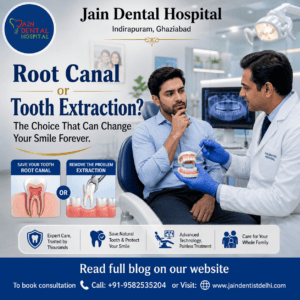

Root Canal Procedure: Step-by-Step Guide to Saving Your Tooth
Think root canals are painful? Here’s the truth: modern root canal procedure or treatment or also well known as Endodontic therapy is one of the most effective ways to save your natural tooth and eliminate pain caused by infection or inflammation. With advanced anesthesia and dental techniques, this procedure has become a routine, comfortable solution that millions of people undergo successfully each year.
As told earlier Root canal treatment, medically known as endodontic therapy, addresses infections deep within your tooth’s pulp—the soft tissue containing nerves, blood vessels, and connective tissue. Rather than extracting a damaged tooth, this procedure preserves your natural tooth structure while eliminating pain and preventing further complications.
Understanding what happens during root canal procedure can help ease anxiety and prepare you for a smooth recovery. This comprehensive guide covers everything from recognizing symptoms to post-treatment care, empowering you to make informed decisions about your dental health.
What Is a Root Canal?
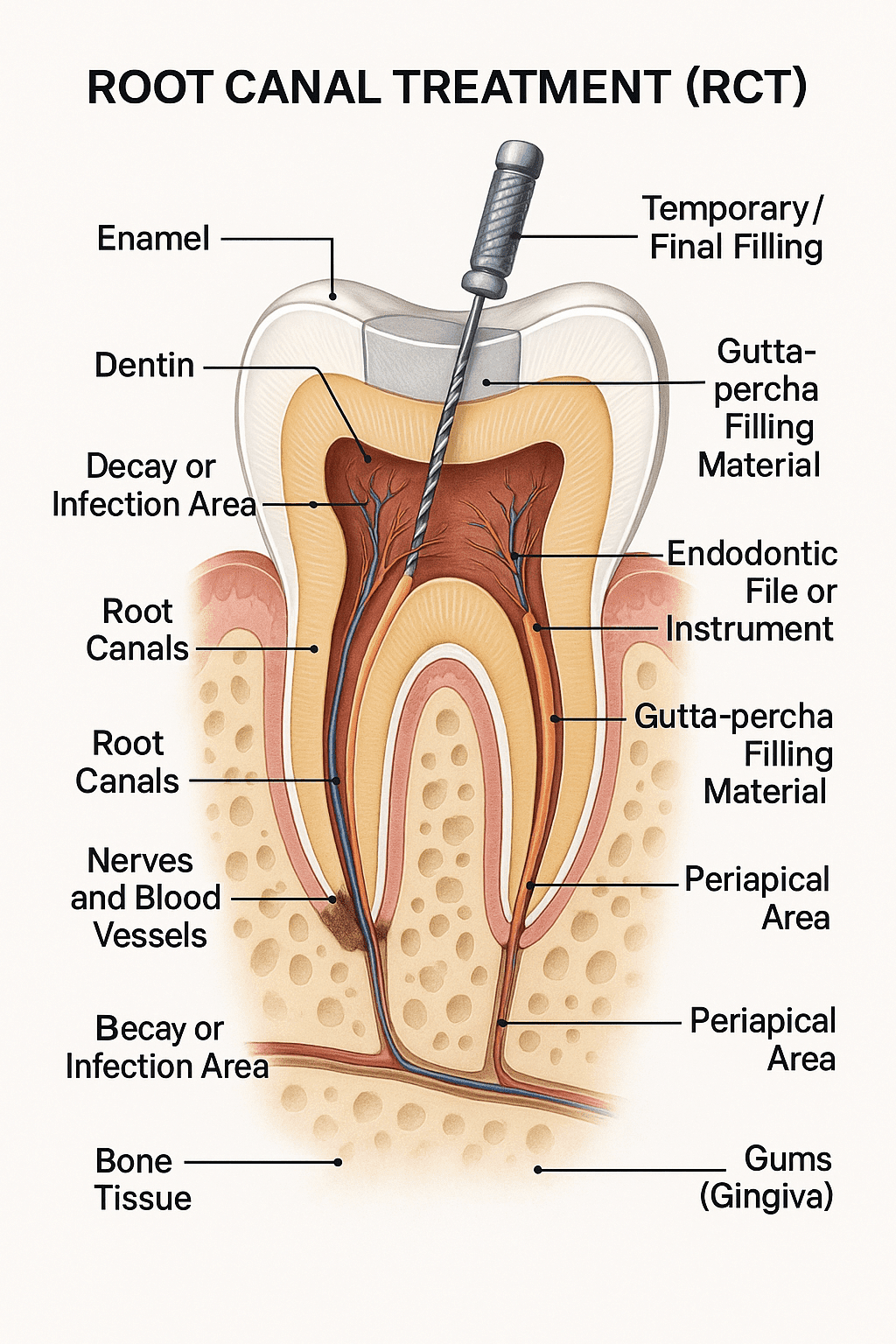
Root canal or treatment removes infected or inflamed pulp from inside your tooth’s root canals—the hollow spaces that extend from the crown down to the root tips in your jawbone. The pulp contains nerves that sense temperature and pressure, but once a tooth is fully developed, it can survive without this tissue.
During endodontic therapy, your dentist or endodontist accesses the pulp chamber through a small opening in the tooth’s crown. They carefully remove the damaged pulp, clean and disinfect the canals, then fill and seal the space to prevent reinfection. A crown or filling typically completes the restoration, returning your tooth to normal function.
This procedure effectively transforms what was once a painful, infected tooth into a healthy, functional part of your smile that can last a lifetime with proper care.
Why is Root Canal Treatment Needed?
Several conditions can damage your tooth’s pulp and necessitate root canal procedure
Deep decay
Deep decay occurs when cavities penetrate through the enamel and dentin layers, allowing bacteria to reach the pulp chamber. Once bacteria enter this sterile environment, infection and inflammation quickly follow.
Cracked or chipped teeth
Cracked or chipped teeth expose the pulp to bacteria in your mouth. Even hairline cracks can provide pathways for infection, especially if left untreated over time.
Repeated dental procedures
Repeated dental procedures on the same tooth can irritate the pulp tissue. Multiple fillings, crowns, or other treatments may eventually cause inflammation that requires root canal therapy.
Trauma to the tooth
Trauma to the tooth from accidents, sports injuries, or other impacts can damage the pulp even when the tooth appears intact externally. Internal bleeding and swelling can cut off the pulp’s blood supply, leading to tissue death.
Signs You Need a Root Canal
Watch for these symptoms that may indicate pulp damage:
- Persistent toothache that worsens with pressure or chewing
- Temperature sensitivity that lingers after removing hot or cold stimuli
- Swollen, tender gums around the affected tooth
- Tooth discoloration appearing gray, brown, or black
- Pus drainage or a pimple-like bump on your gums
- Loose tooth from infection weakening surrounding bone
If you experience any of these symptoms, schedule a dental appointment promptly. Early intervention can prevent complications and improve treatment outcomes.
Step-by-Step RCT Procedure: How is a Root Canal Done?
Understanding the root canal procedure helps reduce anxiety and sets realistic expectations for your treatment experience.
1. Examination and X-rays
Your dentist takes detailed X-rays to assess the tooth’s condition, identify the number of root canals, and check for signs of infection in surrounding bone. They may perform sensitivity tests to confirm pulp damage.
2. Local Anesthesia
A local anesthetic numbs the tooth and surrounding area completely. You’ll feel pressure during the procedure but no pain. If you’re anxious, your dentist may offer sedation options to help you relax.
3. Access and Isolation
Your dentist places a rubber dam around the tooth to keep it clean and dry. They create a small access hole through the tooth’s crown to reach the pulp chamber.
4. Pulp Removal and Cleaning
Using specialized instruments, your dentist removes the infected or inflamed pulp from the chamber and root canals. They thoroughly clean and disinfect these spaces to eliminate bacteria.
5. Shaping and Disinfection
The canals are carefully shaped to facilitate proper filling and sealed to prevent future infection. This step may require irrigation with antimicrobial solutions.
6. Filling and Sealing
The cleaned canals are filled with gutta-percha, a biocompatible rubber-like material, along with sealing paste. A temporary filling closes the access hole.
7. Final Restoration
During a follow-up visit, your dentist removes the temporary filling and places a permanent crown or large filling to protect the tooth and restore full function.
Most root canal procedures take 60 to 90 minutes and can often be completed in one visit, though complex cases may require multiple appointments.
Is Root Canal Procedure Treatment Painful?
Modern root canal Therapy or treatment is typically no more uncomfortable than getting a large filling. The reputation for pain comes from outdated techniques and the severe discomfort that infected teeth cause before treatment.
Local anesthesia effectively numbs the treatment area, and most patients report feeling only mild pressure during the procedure. Your dentist’s primary goal is keeping you comfortable throughout the process.
During treatment, you should feel no pain. If you experience discomfort, inform your dentist immediately—additional anesthesia can be administered as needed.
After treatment, some tenderness is normal as the anesthesia wears off and surrounding tissues heal. This mild soreness typically resolves within a few days and responds well to over-the-counter pain relievers like ibuprofen or acetaminophen.
Contact your dentist if pain persists beyond a few days or becomes severe, as this may indicate incomplete treatment or other complications requiring attention.
Root Canal vs. Tooth Extraction: Which One’s Better?
When facing a severely damaged tooth, you typically have two options: root canal therapy or extraction followed by replacement with an implant, bridge, or partial denture.
Root canal Procedure offers several advantages:
- Preserves your natural tooth structure and roots
- Maintains proper chewing function and jaw alignment
- Costs less than extraction plus replacement
- Requires less treatment time and fewer appointments
- Preserves jawbone structure better than extraction
Tooth extraction might be necessary when:
- The tooth structure is too damaged to restore
- Severe bone loss has occurred around the tooth
- The cost of restoration exceeds the tooth’s long-term value
- Multiple treatment attempts have failed
Saving your natural tooth through tooth nerve treatment is almost always preferable when possible. Natural teeth function better than artificial replacements and help maintain your facial structure and jaw alignment.
Benefits of Root Canal procedure
Root canal procedure offers significant advantages over tooth extraction:
Pain relief occurs quickly as the infected pulp is removed, eliminating the source of discomfort that may have persisted for weeks or months.
Tooth preservation maintains your natural bite and prevents adjacent teeth from shifting into the empty space, which can cause alignment problems and difficulty chewing.
Cost effectiveness makes root canal treatment more affordable than extraction followed by implant placement or bridge construction, especially when considering long-term maintenance costs.
Jawbone health is preserved because your natural tooth root continues stimulating bone tissue, preventing the bone loss that typically follows tooth extraction.
Aesthetic benefits maintain your natural smile appearance without the need for artificial tooth replacement, which may not perfectly match your existing teeth.
Aftercare and Recovery
Proper aftercare ensures optimal healing and long-term success of your root canal treatment.
First 24-72 Hours
- Take prescribed or recommended pain medication as directed
- Apply ice packs for 15-20 minutes to reduce swelling
- Eat soft foods and avoid chewing on the treated tooth
- Avoid extremely hot or cold foods and beverages
- Don’t smoke, as this can delay healing
Ongoing Care Until Crown Placement
- Brush and floss gently around the treated tooth
- Use an antimicrobial mouthwash to prevent infection
- Avoid hard, sticky, or chewy foods that could damage the temporary filling
- Continue taking any prescribed antibiotics until completed
Long-term Maintenance
Return for your scheduled crown placement appointment, typically within 1-2 weeks. The permanent restoration protects your tooth from fracture and completes the treatment process.
Maintain excellent oral hygiene with regular brushing, flossing, and dental checkups to ensure your treated tooth remains healthy for years to come.
Root Canal Cost and Considerations
Root canal procedure costs vary based on several factors, including tooth location, treatment complexity, and geographic area. In cities like Indirapuram and Ghaziabad, costs typically range from ₹3,000 to ₹8,000 for the root canal procedure, with additional costs for crown placement.
Factors affecting cost include:
- Tooth type: Front teeth are less expensive than molars due to fewer roots
- Specialist treatment: Endodontists may charge more than general dentists
- Treatment complexity: Curved canals or retreatment increase costs
- Crown material: Porcelain crowns cost more than metal alternatives
Many dental insurance plans cover 50-80% of root canal treatment costs. Payment plans and EMI options are often available to make treatment more affordable.
Consider that root canal procedure plus crown typically costs less than tooth extraction followed by implant placement, making it an economically sound choice for preserving your natural tooth.
How to Avoid Needing Root Canal Treatment
Prevention remains the best strategy for maintaining healthy teeth and avoiding the need for root canal procedure:
- Practice excellent oral hygiene by brushing twice daily with fluoride toothpaste and flossing once daily to remove plaque and bacteria that cause decay.
- Schedule regular dental checkups every six months for professional cleanings and early detection of problems before they require extensive procedure.
- Address cavities promptly when they’re small and haven’t reached the pulp, as simple fillings can prevent the need for root canal treatment.
- Protect your teeth from trauma by wearing mouthguards during sports and avoiding habits like chewing ice, opening packages with your teeth, or grinding your teeth.
- Maintain a healthy diet by limiting sugary and acidic foods and beverages that contribute to tooth decay, and drinking plenty of water to rinse away harmful bacteria.
Ready to Save Your Smile?
Root canal procedure represents a highly successful method for preserving your natural teeth while eliminating pain and preventing further complications. With modern techniques and anesthesia, the procedure is comfortable and effective, offering a long-term solution that maintains your smile’s health and appearance.
Don’t let fear or misconceptions prevent you from seeking treatment for tooth pain or infection. Early intervention makes treatment easier and more successful while preventing the need for more extensive procedures later.
If you’re experiencing persistent tooth pain, sensitivity, or other symptoms discussed in this guide, professional evaluation can determine whether root canal treatment is right for you. Your natural teeth are worth saving, and Endodontic Therapy or Root Canal Treatment provides an excellent opportunity to maintain your oral health for years to come.
Take Action Today - Book a consultation with the top dental doctor in Indirapuram & Ghaziabad!
Experiencing tooth pain or suspect you might need a root canal? Don’t wait—protect your natural tooth with safe, modern root canal treatment at Jain Dental Hospital Indirapuram, Ghaziabad.
Our expert endodontist leads a team of dental professionals who use advanced technology to ensure a painless, comfortable experience.
If you’re looking for the best root canal treatment in Indirapuram, Ghaziabad — you’re in the right place.
Take the first step toward pain-free dental health. Call us at +91-9582535204 or visit www.jaindentistdelhi.com to book your consultation today!

Dr. Arpan Pavaiya Jain, Director of Jain Dental Hospital, Indirapuram, Ghaziabad is a renowned Prosthodontist and Implantologist with over 20 years of expertise in advanced dentistry. A graduate of the prestigious King George’s Medical College Lucknow, he has performed more than 20,000 successful dental implant procedures. Dr. Jain leads a team of skilled professionals, offering state-of-the-art treatments in dental implants, clear aligners, cosmetic dentistry, orthodontics, and more. Known for his personalized care and commitment to excellence, he has earned a reputation as a trusted dental expert in Indirapuram, Ghaziabad.