Why Are My Teeth Not Straight? Common Causes of Crooked Teeth Explained
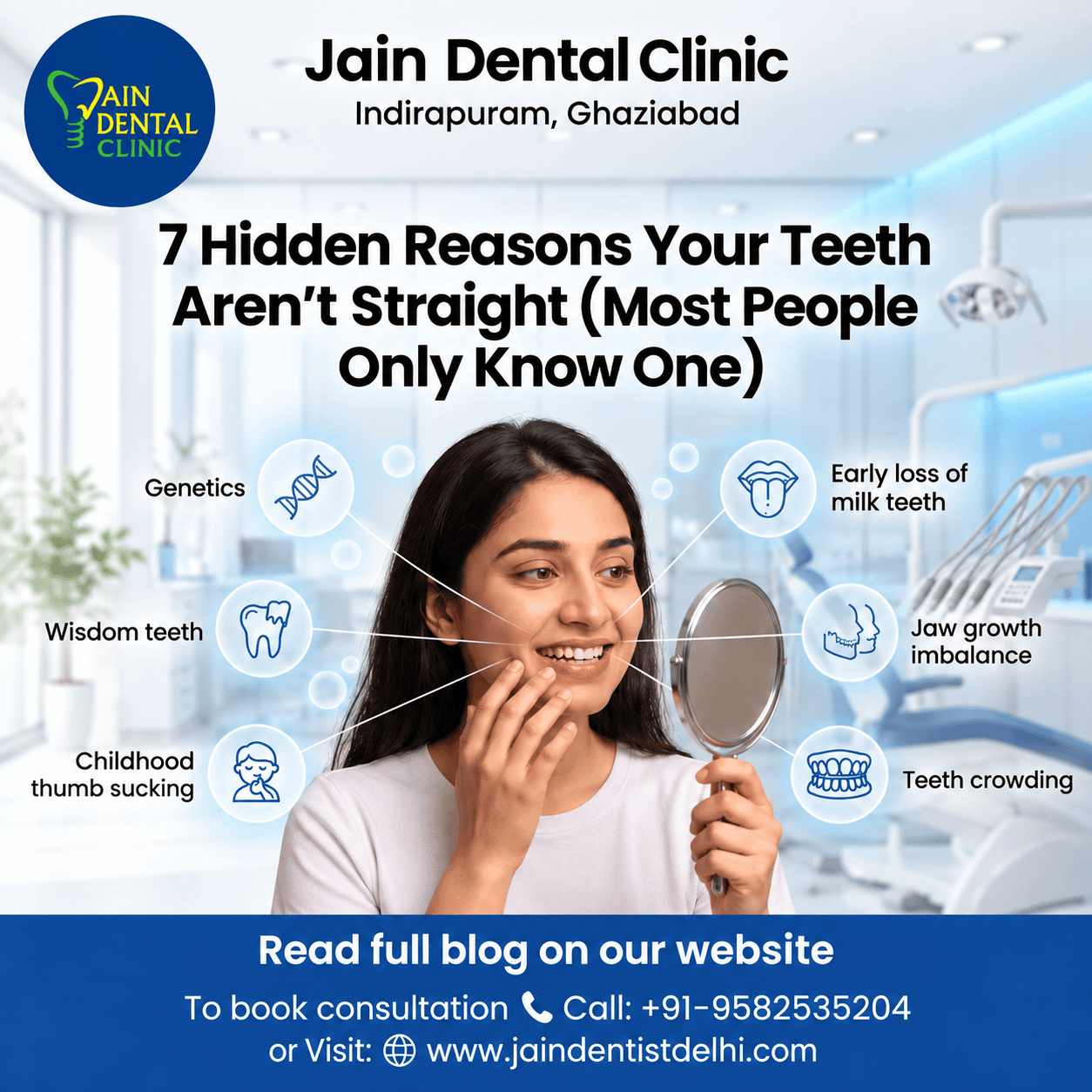
- Why are my teeth not straight? Crooked teeth can result from genetics, jaw size, childhood habits, tooth eruption problems, injuries, or other developmental factors—not just heredity.
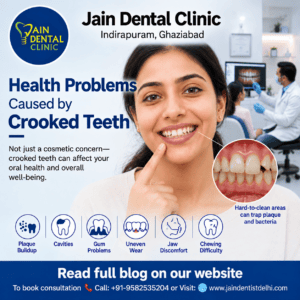
- Crooked teeth can make brushing and flossing more difficult, increasing the risk of cavities, gum disease, uneven tooth wear, chewing problems, and changes in your bite if left untreated.
- The right treatment depends on the underlying cause. After a thorough dental examination, your dentist or orthodontist may recommend options such as clear aligners, braces, retainers, or other clinically appropriate treatments.
- If you or your child notice teeth shifting, crowding, bite changes, or persistent alignment concerns, seek an early dental evaluation instead of waiting for the problem to worsen.
If you’ve been wondering why are my teeth not straight, you’re not alone. Crooked or misaligned teeth can develop for many reasons, and understanding the real cause is the first step toward protecting your oral health. This guide explains the most common crooked teeth causes, including genetics, jaw size, childhood habits, tooth eruption patterns, injuries, and other factors that can affect your smile. It also covers the signs of misalignment, how dentists diagnose the problem, its impact on your teeth and gums, and the treatment options available based on individual needs. Whether you’re an adult, parent, or teenager in Delhi NCR or Ghaziabad seeking reliable information before considering orthodontic care, this article provides clear, evidence-based guidance.
Read the complete guide to understand the causes, diagnosis, prevention strategies, and treatment options for crooked teeth so you can make informed decisions about your oral health.
You look in the mirror and notice your teeth are not quite where they should be. Maybe they overlap slightly, or your front teeth have shifted in a way they never used to. You are not imagining it—and you are far from alone.
Misaligned teeth are one of the most common dental concerns among both children and adults. According to data from the National Health and Nutrition Examination Survey III, only 35% of adults in the United States have well-aligned front teeth. In 15% of those cases, misalignment is severe enough to affect how a person eats and socializes. These numbers tell a clear story: crooked teeth are the norm, not the exception.
Yet many people assume genetics is the only explanation. That is only part of the picture. Developmental patterns, childhood habits, injuries, and even breathing behaviors can all contribute to the way your teeth align—or fail to. Understanding the actual cause matters more than you might think. Two people with similarly crooked teeth may need completely different treatments based on what is driving their misalignment.
This article walks you through the full picture. You will learn what crooked teeth actually are, what causes them at different life stages, how they affect your oral health, how dentists diagnose them, and what treatment and prevention options are available.
What Are Crooked Teeth?
Crooked teeth are not simply an aesthetic concern. They represent a structural issue with how teeth sit within the dental arch and how the upper and lower jaws relate to each other.
How Are Crooked Teeth Defined?
Dental misalignment, often referred to as malocclusion, occurs when teeth do not sit in their correct positions within the arch. A properly aligned tooth faces forward, sits upright, and contacts neighboring teeth without overlapping or gapping. When this arrangement is disrupted, the result is crooked or misaligned teeth.
Misalignment is evaluated not only on how teeth look, but on how they function together. The way upper and lower teeth meet during biting and chewing—known as the bite relationship—is central to the diagnosis.
Types of Tooth Misalignment
Misalignment takes several forms, and each presents differently in the mouth:
- Crowded teeth: There is not enough space in the dental arch for all the teeth to fit properly. This causes teeth to overlap, push past each other, or rotate to find room.
- Spaced teeth: Gaps form between teeth, either because teeth are smaller than average, or because a tooth has been lost and neighboring teeth have not drifted to fill the space yet.
- Rotated teeth: A tooth turns on its axis, sitting at an angle rather than facing forward. Rotated teeth are common in crowded arches where teeth compete for space.
- Overlapping teeth: One tooth partially covers another. This is most common in the front teeth and often stems from crowding in the arch.
- Torsiversion: A tooth grows in a partially tilted or torqued position, which can affect how it contacts the opposing teeth during biting.
Why Are My Teeth Not Straight? Common Causes
Tooth misalignment rarely has a single cause. Most cases develop from a combination of factors, some present from birth and others accumulated over time.
Genetics and Heredity
Genetics is one of the most significant factors behind crooked teeth. Jaw size, tooth size, and facial bone structure are all heritable traits—passed down from one or both parents in the same way height or eye color is inherited.
- Inherited jaw size: If one or both parents have a narrow or small jaw, a child may inherit the same jaw dimensions. A smaller arch leaves less room for the teeth to erupt into correct positions.
- Tooth size mismatch: Some people inherit large teeth from one parent and a smaller jaw from the other. This size discrepancy is a direct driver of crowding, as the available bone simply cannot accommodate all the teeth comfortably.
- Family history of bite problems: Overbites, underbites, and crossbites tend to run in families. If a parent had significant bite issues, their child faces a higher statistical likelihood of developing the same.
Small Jaw or Large Teeth
Even without a direct family history of misalignment, a mismatch between jaw size and tooth size can develop independently.
When the jaw does not provide sufficient arch length, teeth begin to crowd together as they erupt. This dental crowding is one of the most common reasons for crooked teeth seen in orthodontic practice today.
From an anthropological perspective, some researchers suggest that modern, softer diets provide less mechanical stimulus for jaw growth, potentially contributing to smaller jaw sizes over generations. While this evolutionary theory helps explain broad population trends, clinical orthodontics primarily focuses on inherited traits and childhood developmental habits to diagnose crowding in individual patients.
Early Loss of Baby Teeth
Baby teeth are not simply placeholders. They serve as active space maintainers, holding the correct width and length in the arch for the permanent teeth that follow. When a baby tooth is lost early—due to decay, infection, or trauma—that space does not stay open on its own.
Neighbouring teeth drift into the gap over time. The permanent tooth, which has been developing beneath the gum, then erupts into a space that has narrowed or shifted. The result is a permanent tooth that grows in crooked, rotated, or overlapping. Early baby tooth loss is a preventable cause of misalignment in children, which is why treating childhood cavities promptly matters beyond just managing pain.
Delayed Loss of Baby Teeth
The opposite problem also causes misalignment. When a baby tooth remains in place longer than it should, the permanent tooth beneath it cannot erupt normally. Lacking a clear path, the permanent tooth may push through in the wrong position—sometimes slightly behind or in front of the baby tooth, creating what is commonly called a double row of teeth.
This is most frequently seen in the lower front teeth of children between ages 6 and 9. In many cases, extraction of the retained baby tooth allows the permanent tooth to self-correct over time, but an orthodontist should evaluate each case individually.
Thumb Sucking and Pacifier Use
Thumb sucking and pacifier use are normal, self-soothing behaviors in infants and toddlers. However, when these habits continue beyond age 3 to 4, the constant pressure placed on developing teeth and jaw bones begins to alter their position.
Thumb sucking exerts forward pressure on the upper front teeth, pushing them outward. Over time, this creates protrusion of the upper front teeth and can widen the gap between upper and lower teeth when the mouth is closed, a condition known as an open bite. Pacifier use produces similar effects, though the pattern can differ depending on how the pacifier is held in the mouth. The duration and intensity of the habit tend to determine how significant the effect on alignment becomes.
Tongue Thrusting
Tongue thrust occurs when a person pushes their tongue forward against the back of the front teeth during swallowing or speaking, rather than pressing it upward against the roof of the mouth. It is common in young children but typically resolves as the swallowing pattern matures.
When tongue thrust persists into later childhood or adulthood, the repeated forward pressure gradually displaces the front teeth. The upper front teeth are pushed outward, while lower teeth may tilt inward. The resulting misalignment can be difficult to correct with orthodontic treatment alone if the habit itself is not addressed first. A speech-language pathologist or orofacial myofunctional therapist can assist in retraining the swallowing pattern.
Mouth Breathing
Nasal breathing is the anatomically correct way to breathe. It supports proper tongue posture, which rests against the palate and provides internal scaffolding for the upper jaw as it develops. When a person breathes through their mouth habitually—due to nasal congestion, enlarged adenoids, allergies, or structural blockages—this internal support disappears.
Without the tongue pressing upward, the upper jaw can narrow over time. The cheeks place inward pressure on the teeth without the counterforce of the tongue, contributing to a narrow arch, crowding, and changes in facial growth. Mouth breathing is most influential during early childhood, when bones are still developing and responsive to external forces. Identifying and treating the underlying cause of mouth breathing early can reduce its impact on dental alignment.
Impacted Teeth
An impacted tooth is one that cannot erupt through the gum line normally, either because there is not enough space or because it is blocked by another tooth or bone. The upper canines and wisdom teeth are the most commonly impacted teeth.
When a tooth remains trapped beneath the gum, it does not simply stay put. It continues to develop and can exert pressure on the roots of adjacent teeth, pushing them out of alignment. Upper canines that fail to erupt can displace the neighboring lateral incisors over time. Early detection through routine X-rays allows dentists to intervene before significant displacement occurs.
Wisdom Teeth — Myth vs. Reality
The belief that wisdom teeth cause front tooth crowding is widely held, but current evidence does not strongly support it. Research published in the American Journal of Public Health has classified the idea that third molar eruption causes significant anterior crowding as a myth. Crowding in the front teeth tends to be driven by the same jaw size and tooth size dynamics that cause crowding throughout the arch—not by pressure from wisdom teeth at the back.
That said, impacted wisdom teeth can cause localized problems, including pain, infection, and displacement of the adjacent second molars. Whether to remove them depends on each patient’s specific clinical situation and should be evaluated by a qualified dental professional.
Jaw Injuries or Trauma
A blow to the face, jaw, or mouth—from a fall, a sporting collision, or an accident—can alter tooth alignment directly. A tooth may be knocked out of position, fractured, or loosened from its socket. In children, trauma to a developing jaw can affect bone growth patterns, potentially causing one side of the jaw to develop differently from the other.
Even injuries that appear minor at the time can result in subtle changes to bite alignment that become more apparent years later. Post-traumatic dental changes are best monitored regularly by a dentist, particularly in children and adolescents.
Poor Dental Habits During Childhood
Several repetitive oral habits create consistent pressure on teeth over time, nudging them out of position gradually:
- Nail biting: Places irregular sideways pressure on the front teeth. Habitual nail biting can cause minor but cumulative shifts in tooth positioning, as well as wear on the incisal edges of the teeth.
- Pencil chewing: Similar in mechanism to nail biting, pencil chewing involves repeated pressure applied to specific teeth. Over time, this can cause slight tilting or rotation of those teeth.
- Lip biting or sucking: When the lower lip is habitually tucked behind the upper front teeth, it pulls the lower front teeth inward and pushes the upper front teeth outward. This pattern can contribute to an overjet—where the upper teeth protrude past the lower teeth more than normal.
None of these habits cause dramatic misalignment on their own, but they become more significant when combined with existing genetic or developmental predispositions.
Signs That Your Teeth May Be Misaligned
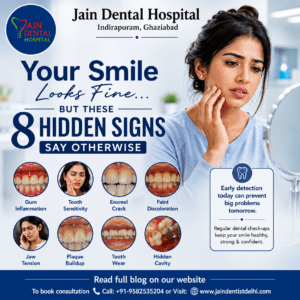
Misalignment does not always announce itself visibly. Several functional signs suggest that a dental evaluation may be worthwhile:
- Teeth overlap each other, making it difficult to see each tooth individually when you smile.
- Difficulty flossing in certain areas because teeth are too close together or positioned at angles that block the floss.
- Your bite feels uneven, with some teeth touching harder or sooner than others.
- You frequently bite your inner cheek while chewing, which often indicates that upper and lower teeth are not meeting correctly.
- Speech difficulties, such as a lisp or difficulty forming certain sounds, that you or others have noticed.
- Jaw discomfort, clicking, or stiffness—particularly after waking up or eating—can signal that the bite is placing uneven stress on the jaw joints.
- Difficulty chewing certain foods, or a preference for chewing on one side only.
- Uneven tooth wear, where some teeth appear shorter or more worn down than others.
If any of these signs are present, a clinical evaluation is the most reliable way to identify the cause and determine whether intervention is needed.
Can Crooked Teeth Affect Your Oral Health?
Crooked teeth are not purely a cosmetic issue. Persistent misalignment can have real consequences for the long-term health of the teeth, gums, and jaw.
Increased Risk of Tooth Decay
Crowded or overlapping teeth create tight spaces that are difficult to clean with a toothbrush or floss. Plaque and food particles accumulate in these areas, and over time, the bacteria in plaque produce acids that erode enamel. Teeth that are harder to clean are statistically at higher risk for cavities, particularly between teeth and along the gum line.
Gum Disease
The same plaque accumulation that drives tooth decay also triggers inflammation of the gum tissue. When plaque is not removed consistently, it hardens into tartar and irritates the gums, eventually leading to gingivitis and, if untreated, periodontal disease. Periodontal disease involves the breakdown of the bone and connective tissue that support the teeth. In advanced stages, it can cause teeth to loosen and shift further—compounding the original misalignment.
Difficulty Cleaning Teeth
Beyond the increased disease risk, misaligned teeth simply make oral hygiene more effortful. Patients with moderate to severe crowding often report that flossing feels impossible in certain areas. This is not a technique problem—it is a structural one. Orthodontic treatment that corrects alignment can make home hygiene significantly more effective.
Tooth Wear
When teeth do not meet evenly, certain surfaces absorb more bite force than they are designed to handle. Over time, this leads to uneven enamel wear. Enamel does not regenerate once lost, so worn surfaces become permanently thinner, more sensitive, and more vulnerable to fracture.
Jaw Pain and TMJ Problems
In some cases, it has also been seen an uneven bite places asymmetric stress on the temporomandibular joints (TMJ)—the joints on either side of the jaw that connect the lower jaw to the skull. Ongoing strain on these joints can result in jaw pain, headaches, ear discomfort, and restricted jaw movement. But the clinical validity of this claim is being debated, Not all TMJ symptoms are caused by misalignment, but bite-related problems are a recognized contributing factor.
Digestive Problems Due to Poor Chewing
Proper chewing is the first mechanical step in digestion. When misaligned teeth prevent food from being broken down adequately, larger food particles reach the stomach, which can contribute to certain extend for digestive discomfort over time. While this is not the most common consequence of misalignment, it is relevant for individuals with severe bite problems.
Confidence and Smile Appearance
The psychological impact of crooked teeth is real and clinically recognized. People consider a great smile the most important feature in making a first impression. People who feel self-conscious about their teeth may avoid smiling, speaking publicly, or pursuing social and professional opportunities. This is not a trivial concern—it affects quality of life in ways that are measurable and treatable.
How Dentists Diagnose the Cause of Crooked Teeth
Identifying the cause of misalignment requires more than a quick visual inspection. A thorough diagnostic process guides treatment decisions and ensures that the approach chosen addresses the root issue.
Clinical Oral Examination
The dentist or orthodontist begins by examining the teeth, gums, and soft tissue directly. This involves assessing the position of individual teeth, the symmetry of the dental arches, and the overall condition of the supporting structures. The clinician checks for signs of wear, decay, gum health, and any existing restorations that may affect alignment.
Dental X-rays
Standard dental X-rays reveal what is happening beneath the gum line—tooth roots, developing permanent teeth in children, impacted teeth, bone levels, and any pathology affecting the supporting structures. Panoramic X-rays provide a broad view of all the teeth and jaws in a single image, making them particularly useful for assessing overall eruption patterns and jaw development.
Digital Intraoral Scans
Digital intraoral scans use a small handheld device to capture a precise 3D model of the teeth and arches. These scans eliminate the need for traditional impression materials and provide a highly accurate record of tooth position, arch shape, and bite relationship that can be analyzed digitally.
Bite Analysis
The clinician evaluates how the upper and lower teeth meet when the jaw closes. This bite analysis identifies the type and severity of any malocclusion—whether an overbite, underbite, crossbite, or open bite—and helps determine how jaw position is contributing to tooth misalignment.
Jaw Growth Assessment
In children and adolescents, cephalometric X-rays may be taken to assess jaw growth patterns and the relationship between the facial bones. This helps the orthodontist predict how the jaw will continue to develop and whether early intervention would benefit the patient. Growth assessment is particularly important when skeletal factors—rather than tooth position alone—are driving the misalignment.
Can Crooked Teeth Straighten Naturally?
This is one of the most common questions patients ask, and the honest answer varies by age and circumstance.
In children, minor misalignments sometimes self-correct as baby teeth are replaced by permanent teeth and the jaw grows. A slightly rotated baby tooth, for example, may create space for the permanent tooth to erupt more favourably. However, this is not guaranteed, and early monitoring by an orthodontist helps determine whether intervention is needed.
During adolescence, some alignment issues can improve with jaw growth, particularly when treated with early orthodontic intervention that guides how the jaw develops. Without intervention, most moderate to severe misalignments do not correct on their own.
In adults, teeth do not straighten naturally. Bone has finished growing, and without applied orthodontic force, teeth will remain in their current positions—or gradually shift further out of alignment due to aging, bone changes, and gum health.
A common misconception is that alignment will improve if you simply stop a habit or change your diet. Addressing a contributing habit—like stopping thumb sucking or treating mouth breathing—removes a source of ongoing pressure, but it does not move teeth that have already shifted. Professional treatment is needed to reverse established misalignment.
When does professional treatment become necessary? If misalignment is causing difficulty with biting or chewing, increased susceptibility to decay or gum disease, jaw discomfort, speech problems, or significant impact on confidence, a consultation with an orthodontist is appropriate. Some cases warrant intervention even if they are not yet causing symptoms, to prevent complications from developing.
Treatment Options for Crooked Teeth
Modern orthodontic treatment covers a wide spectrum of approaches. The right option depends on the type and severity of misalignment, the patient’s age, jaw structure, oral health, and treatment goals.
| Treatment Option | Best Suited For | Key Consideration |
|---|---|---|
| Traditional Metal Braces | Moderate to severe crowding, bite problems, complex cases | Fixed, continuous correction; highly effective for complex cases |
| Ceramic Braces | Patients wanting a less visible fixed brace | Same mechanism as metal braces; slightly less durable |
| Clear Aligners | Mild to moderate misalignment, adult and teen patients | Removable; requires consistent wear for results |
| Retainers | Post-treatment maintenance; minor spacing in select cases | Maintain results; do not move teeth significantly on their own |
| Tooth Extraction | Severe crowding requiring space creation | Only performed when clinically indicated; not routine |
| Jaw Surgery | Severe skeletal discrepancies; jaw size mismatch | Combined with braces; reserved for cases where orthodontics alone is insufficient |
Traditional Metal Braces
Metal braces consist of brackets bonded to each tooth and connected by archwires that apply controlled, continuous force. They are particularly effective for moderate to severe crowding, rotated teeth, and complex bite problems. Because they are fixed in place, metal braces provide consistent correction throughout treatment without relying on patient compliance beyond regular appointments.
Ceramic Braces
Ceramic braces function identically to metal braces but use tooth-colored or clear brackets that blend more naturally with the teeth. They offer the same corrective strength while being less visually prominent. They are slightly more prone to staining and require care with certain foods, but for patients who want fixed braces with a more discreet appearance, they are a sound clinical option.
Clear Aligners
Clear aligners use a series of custom-fabricated, removable transparent trays to reposition teeth gradually. Each tray moves specific teeth by small increments, and patients progress through a series over weeks to months. Clear aligners are most effective for mild to moderate misalignment and are widely used among adult and teenage patients. Because they are removable, consistent wear—typically 20 to 22 hours per day—is essential for results.
Retainers
Retainers are primarily used to maintain tooth position after active orthodontic treatment. In certain limited cases—such as minor spacing or very slight relapse following previous treatment—a retainer may be appropriate as a standalone device. They do not move teeth the way braces or aligners do. Their role in maintaining a corrected result is critical: teeth that are not retained after treatment will gradually shift back toward their original positions.
Tooth Extraction
Selective tooth extraction is considered when the dental arch is genuinely too small to accommodate all the teeth, even with the best available orthodontic mechanics. Removing one or more premolars can create the space needed to align the remaining teeth properly. Extraction is not a default approach—it is a clinical decision made when the anatomy of the jaw makes space creation through movement alone insufficient.
Jaw Surgery
Orthognathic surgery is reserved for cases where the misalignment is primarily skeletal—meaning the jaws themselves are significantly mismatched in size or position, and orthodontics alone cannot fully correct the bite relationship. Surgery repositions the upper jaw, lower jaw, or both. It is almost always combined with a period of orthodontic treatment before and after the procedure to achieve precise and stable results.
When Should You See an Orthodontist?
Knowing when to seek an evaluation removes unnecessary uncertainty and ensures that any issues are identified early.
- Persistent crowding that has not improved as permanent teeth have come in, or that appears to be worsening over time.
- Difficulty biting or chewing, where you consistently Favor one side or avoid certain foods.
- Speech changes, such as a new lisp or difficulty pronouncing certain sounds that developed alongside a change in tooth position.
- Jaw pain, stiffness, or clicking, particularly if it is ongoing or associated with headaches.
- Children’s first orthodontic evaluation: The American Association of Orthodontists recommends that children be seen by an orthodontist by age 7. At this point, a mix of baby and permanent teeth is usually present, which allows the clinician to assess arch development, eruption patterns, and any early skeletal concerns. Early evaluation does not always mean early treatment—but it allows for proactive planning.
- Adult orthodontic consultation: There is no upper age limit for orthodontic treatment. Adults who have noticed shifting, who never received treatment, or whose teeth have moved after not wearing a retainer can all benefit from an evaluation.
Can Crooked Teeth Be Prevented?
Not all cases of misalignment are preventable—genetics plays a role that no amount of habit modification can fully override. However, several practical steps can reduce the risk of misalignment developing or worsening.
Encourage Healthy Oral Habits
Discouraging thumb sucking and pacifier use after age 3 reduces the pressure these habits place on developing teeth and jaws. For children who find these habits difficult to stop, a pediatric dentist can suggest gentle behavior strategies or, if needed, a dental appliance designed to make the habit less comfortable.
Timely Dental Checkups
Regular dental visits—starting from the eruption of the first baby tooth—allow dental professionals to monitor tooth development, identify early signs of crowding or spacing, and address cavities before they lead to premature tooth loss. Routine care is the most straightforward way to protect alignment over time.
Early Orthodontic Screening
An orthodontic screening by age 7 provides valuable information about how the jaw is developing and whether the permanent teeth have sufficient space to erupt properly. Early screening is not the same as early treatment, but it creates a roadmap for timely intervention if needed.
Avoid Prolonged Thumb Sucking
Stopping this habit before permanent teeth begin to erupt—typically between ages 5 and 7—significantly reduces its impact on final tooth position. The earlier the habit stops, the greater the chance that mild changes to tooth position will self-correct as the jaw continues to grow.
Maintain Good Oral Hygiene
Healthy teeth and gums are the foundation of proper alignment. Untreated gum disease weakens the bone that supports the teeth, allowing them to shift. Routine brushing, flossing, and professional cleaning protect both the health of the supporting structures and the stability of tooth positions.
Frequently Asked Questions (FAQ) Why are my teeth not straight
Why are my teeth becoming crooked as I get older?
Teeth naturally shift over time. As you age, the jawbone loses some density, the arch can narrow slightly, and the lower front teeth are particularly susceptible to crowding. If you had braces but stopped wearing your retainer, teeth will gradually migrate back toward their original positions. Ongoing gum disease or bone loss can also accelerate shifting. An orthodontic evaluation can identify the specific cause.
Can crooked teeth get worse over time?
Yes, misalignment can worsen if the underlying cause is not addressed. Teeth continue to respond to pressure throughout life—from adjacent teeth, the tongue, lips, and jaw muscles. Without orthodontic treatment or consistent retainer wear, even mildly misaligned teeth tend to shift further over the years.
Is crooked teeth a genetic condition?
Genetics is a significant contributing factor, but not the only one. Jaw size, tooth size, and facial bone structure are all influenced by inherited traits. However, developmental habits, childhood behaviors, injuries, and oral health also shape how teeth align. A family history of crooked teeth increases your likelihood of misalignment, but does not make it certain.
Can braces fix all types of crooked teeth?
Traditional metal braces are effective for a wide range of misalignment types, including complex crowding, rotations, and bite problems. However, cases involving significant jaw size discrepancies may require jaw surgery in addition to braces to achieve proper bite correction. The appropriate treatment depends on the underlying cause and severity of the misalignment.
Are clear aligners effective for crooked teeth?
Clear aligners work well for mild to moderate tooth misalignment. They are particularly suited to adult and teenage patients with relatively straightforward crowding or spacing issues. Severe crowding, significant bite problems, or complex rotations may require traditional braces or a combined approach. A consultation with an orthodontist is the most reliable way to determine whether clear aligners are appropriate for your specific case.
At what age should crooked teeth be treated?
There is no single correct age. Children benefit from a first orthodontic evaluation at age 7, even if treatment is not needed immediately. Active treatment most often begins between ages 11 and 14, when most permanent teeth have erupted and the jaw is still growing. Adults can receive treatment at any age. Earlier intervention generally allows for more options and, in some cases, simpler treatment.
Can crooked teeth cause headaches?
Yes, in some cases. When the bite is uneven, the jaw muscles work harder to bring the teeth together, and the temporomandibular joints absorb disproportionate stress. This can result in muscle tension headaches, jaw pain, and discomfort around the ears and temples. If you experience regular headaches alongside jaw discomfort or a bite that feels uneven, a dental evaluation is a reasonable first step.
Do wisdom teeth make front teeth crooked?
Current dental research does not support the idea that wisdom teeth are a primary cause of front tooth crowding. Studies, including research published in the American Journal of Public Health, have found insufficient evidence that wisdom tooth pressure causes significant anterior crowding. Front tooth crowding is better explained by arch growth patterns and the natural narrowing of the jaw over time. However, impacted wisdom teeth can cause other problems and should still be monitored and assessed by your dentist.
Conclusion: Understanding the Cause Is the First Step
Crooked teeth develop through a combination of genetic inheritance, developmental factors, childhood habits, and oral health history. No two cases are identical. A narrow jaw, a retained baby tooth, years of mouth breathing, or a family pattern of crowding—each tells a different story and calls for a different clinical response.
What remains consistent across all cases is this: identifying the underlying cause before pursuing treatment leads to better, more stable outcomes. Orthodontic treatment is not one-size-fits-all. Whether the right path involves braces, clear aligners, early intervention for a child, or a comprehensive evaluation for an adult who has never been assessed, the process begins with understanding exactly what is driving the misalignment.
Modern orthodontic treatment is precise, evidence-based, and more accessible than ever before. With the right diagnosis, the vast majority of alignment issues—regardless of severity—can be effectively addressed.
Schedule Your Consultation Today
Find the Real Reason Behind Your Crooked Teeth with an Expert Orthodontic Evaluation
Now that you understand why your teeth may not be straight—from genetics and jaw size to childhood habits, tooth eruption patterns, and other factors that contribute to misalignment—the next step is identifying the underlying cause. Since every smile, bite, and jaw structure is unique, a comprehensive orthodontic evaluation is essential before deciding on the most appropriate treatment.
At Jain Dental Clinic, Dr. Arpan Pavaiya Jain and Dr. Rashi Agarwal Jain perform detailed orthodontic assessments using advanced digital diagnostics to determine the cause of tooth misalignment and recommend a personalized treatment plan. Whether your condition is best managed with clear aligners, braces, or another orthodontic approach, our team is committed to helping you achieve a healthier, well-aligned smile with evidence-based care.
📞 Call: +91-9582535204
🌐 Visit: www.jaindentistdelhi.com
Medical Advice Disclaimer:
The information provided in this article is for general educational and informational purposes only and is not intended as professional medical or dental advice, diagnosis, or treatment. While we strive for accuracy, every patient’s dental anatomy and clinical needs are unique. Always seek the advice of your dentist or another qualified healthcare provider with any questions you may have regarding a medical condition. Never disregard professional medical advice or delay seeking it because of something you have read on this website

Dr. Arpan Pavaiya Jain (BDS, MDS – Prosthodontics) is a prosthodontist and implantologist with more than 25 years of experience. He studied at KGMC Lucknow and leads Jain Dental Clinic in Indirapuram, Ghaziabad. His focus is dental implants, crowns and bridges, dentures, full mouth rehabilitation, and Invisalign clear aligners.