
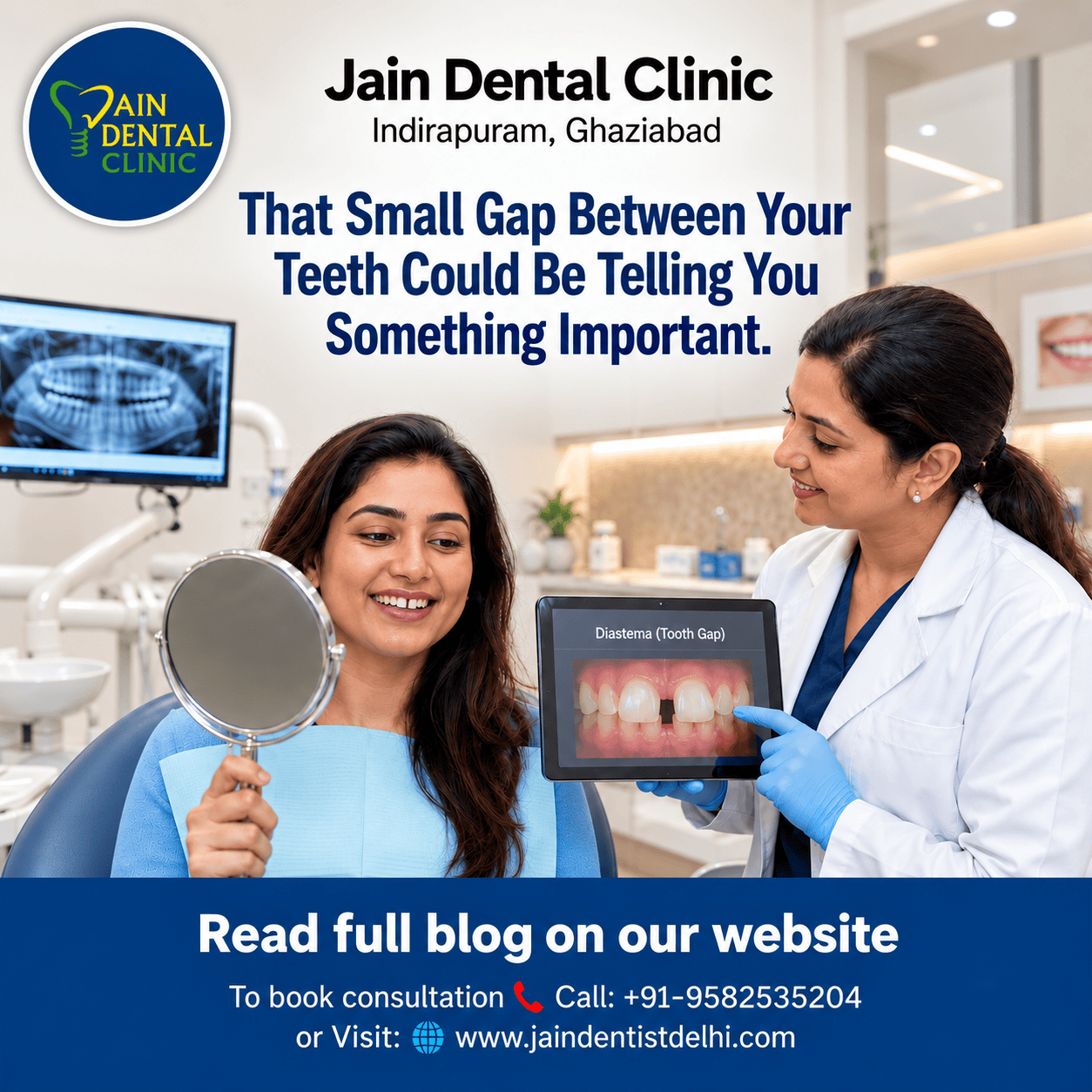
Diastema (Teeth Gaps): Causes, Treatment, and Prevention
- Diastema is a gap between two teeth that may be normal or may indicate an underlying dental issue. In children, some gaps close naturally, but new or widening gaps in adults should be evaluated by a dentist.
- The right teeth gap treatment depends on the underlying cause. Options such as braces, clear aligners, dental bonding, veneers, periodontal treatment, or dental implants are recommended only after a proper dental examination.
- Do not ignore widening teeth gaps or try DIY methods to close them. If you notice food trapping, speech changes, bleeding gums, or shifting teeth, seek professional advice to identify the cause early.
- Good oral hygiene, timely treatment of gum disease, avoiding harmful oral habits, and wearing retainers after orthodontic treatment can help prevent new teeth gaps and protect your smile.
If you have a persistent or widening gap between your teeth, schedule a dental consultation to receive an accurate diagnosis and a personalized treatment plan.
Read the complete blog to understand the causes of diastema, compare treatment options, and learn how to protect your long-term oral health.
Are you wondering why you have a gap between your teeth or whether it needs treatment? Diastema can be completely normal in some cases, but in others, it may be linked to factors such as genetics, gum disease, missing teeth, or bite issues. This blog explains the common causes of teeth gaps, how dentists diagnose the underlying reason, and the most suitable teeth gap treatment options based on your individual needs. You will also learn when a gap is harmless, when it requires professional attention, and practical ways to help prevent new gaps from developing. If you are in Delhi NCR or Ghaziabad and want reliable, easy-to-understand guidance before visiting a dentist, this comprehensive guide will help you make informed decisions about your oral health. Read the full post to explore each topic in detail.
You smile, and there it is—a gap between your teeth. Maybe you cover your mouth in photos. Maybe you wonder if it will get bigger over time. Or maybe food keeps getting stuck, and you’re not sure if that’s a real problem or just a small annoyance.
A gap between your teeth can affect more than your looks. It can chip away at your confidence. It can make you anxious about your oral health. And the more you search online, the more confused you may feel, because every page seems to say something different.
This guide brings the answers together in one place. You will learn what causes teeth gaps, when they are harmless, and when they signal a problem. You will also discover every modern treatment option, how each one works, and how to prevent new gaps from forming. Let’s start with the basics.
What Is Diastema (Teeth Gap)?
Diastema is the dental term for a gap or space between two teeth. The gap can appear anywhere in your mouth, but it shows up most often between the two upper front teeth.
The word comes from Greek and means “space” or “interval.” In plain terms, it is simply room between teeth that would normally sit closer together.
It helps to know the difference between normal spacing and an abnormal gap:
- Normal spacing: Small gaps are common and often harmless. In children, they can be a healthy part of development. Many adults live with a small gap and never need treatment.
- Abnormal spacing: A gap becomes a concern when it grows wider over time, traps food, affects your bite, or links to gum disease. New gaps in adults often point to an underlying issue.
Which Teeth Commonly Develop Gaps?
Gaps can form between any teeth, but some spots are far more common than others. Knowing where gaps tend to appear helps you understand your own smile.
- Front teeth: The space between the two upper front teeth is the most common gap. Dentists call this a midline diastema.
- Lower teeth: Gaps can also form along the lower front teeth, though they are less common and often less noticeable.
- Multiple teeth: Some people have several gaps spread across the mouth. This usually relates to tooth size, jaw size, or gum health.
- Children vs. adults: Children often develop gaps as their baby teeth fall out, and many close naturally. In adults, gaps are less likely to close on their own and may need treatment.
Types of Diastema
Not all teeth gaps are the same. Understanding the type of gap you have makes it easier to discuss treatment with your dentist. Here are the three main types.
Midline Diastema
A midline diastema is the gap between your two upper front teeth. This is the type most people picture when they think of a teeth gap.
It is the most common form of diastema. The cause can range from genetics to an oversized labial frenum, which is the band of tissue behind your upper lip.
Generalized Spacing
Generalized spacing means you have multiple gaps throughout your mouth. Instead of one noticeable space, several teeth sit farther apart than normal.
This pattern often happens when your teeth are small compared to your jaw. With extra room available, gaps form in more than one place.
Localized Diastema
A localized diastema is a single gap between two specific teeth. It stays in one area rather than spreading across the mouth.
This type often forms after a tooth is lost or when one tooth is smaller than its neighbors. Nearby teeth may drift, leaving a clear space.
What Causes Teeth Gaps (Diastema)?
Teeth gaps form for many reasons. Some are inherited, some come from habits, and others develop from gum problems. Understanding the cause is the first step toward the right treatment. Here are the most common causes.
Genetics and Natural Tooth Size
Your genes shape the size of your teeth and jaw. This is why diastema often runs in families.
If you inherit small teeth or a large jaw, there may not be enough tooth material to fill the space. The result is one or more natural gaps.
Mismatch Between Tooth Size and Jaw Size
When your teeth are too small for your jawbone, extra space remains. This mismatch is one of the most common reasons gaps appear.
The opposite can also happen. A wider jaw can leave room between normally sized teeth, leading to spacing.
Missing Teeth
A missing tooth leaves an empty space, and nearby teeth tend to drift toward it. Over time, this creates new gaps.
This often involves the small teeth beside the upper front teeth. If these are missing or undersized, a gap can form between the two front teeth.
Oversized Labial Frenum
The labial frenum is the band of tissue that connects your upper lip to your gums. Most people never think about it.
When this tissue is thick or sits too low, it can push the front teeth apart. This prevents them from closing together and creates a midline gap.
Thumb Sucking and Pacifier Habits
In young children, thumb sucking and long-term pacifier use put steady pressure on the front teeth. This pressure can push them forward.
Over time, the habit can move teeth out of place and create gaps. Stopping the habit early helps prevent lasting changes.
Tongue Thrusting Habit
When you swallow correctly, your tongue presses against the roof of your mouth. Some people press their tongue against their front teeth instead.
This repeated pressure pushes the teeth forward little by little. Over the years, a gap can form. Dentists call this tongue thrusting.
Gum Disease (Periodontitis)
Gum disease is a leading cause of new gaps in adults. The infection damages the gums and bone that hold your teeth in place.
As the support weakens, teeth can loosen and shift apart. Gaps caused by gum disease tend to widen over time, so early treatment matters.
Bone Loss Around Teeth
Healthy bone keeps your teeth firmly in position. When bone is lost, often due to advanced gum disease, teeth lose their anchor.
Without strong support, teeth drift and new spaces appear. This is why protecting your bone health protects your smile.
Tooth Migration Due to Aging
Teeth can shift slowly throughout your life. This natural movement is called tooth migration, and it can lead to gaps as you age.
If you notice new spacing as an adult, this gradual drift may be one reason. A dental check-up can confirm whether anything else is involved.
Orthodontic Relapse After Braces
Teeth have a natural tendency to move back toward their old position after braces. Dentists call this relapse.
If you stop wearing your retainer, gaps that were closed can slowly reopen. Wearing your retainer as directed is the best way to keep your results.
Signs and Symptoms of Diastema
For most people, the only sign of a teeth gap is the space itself. But in some cases, other symptoms appear, especially when gum disease or bite problems are involved. Here is what to watch for.
- Visible spacing: The clearest sign is a noticeable gap when you smile or speak.
- Food getting stuck: Wide gaps can trap food, which feels uncomfortable and raises your risk of decay.
- Speech changes: Large front gaps can affect how you pronounce certain sounds, sometimes causing a slight lisp.
- Bite problems: If the gap links to a misaligned bite, you may notice trouble chewing or uneven pressure.
- Gum issues: Red, swollen, or bleeding gums alongside a gap can point to gum disease.
- Increased plaque buildup: Gaps can be harder to clean, allowing plaque to collect and irritate your gums.
Can Teeth Gaps Cause Problems?
Many people wonder whether a gap is purely cosmetic or whether it can harm their health. The honest answer is that it depends on the gap and its cause. Here are the potential effects.
Cosmetic Concerns
For many people, the main concern is how the gap looks. A noticeable space can affect how you feel about your smile.
This is a valid reason to seek treatment. There is no right or wrong choice—some people love their gap, while others prefer to close it.
Difficulty Chewing
When a gap connects to a bite problem, chewing can become harder. Food may not break down evenly.
Over time, this can put extra strain on certain teeth. A proper evaluation can show whether your bite is affected.
Speech Problems
Larger gaps, especially between the front teeth, can change how air moves as you speak. This may cause a lisp or trouble with certain sounds.
For most people the effect is mild. When it interferes with daily life, treatment can help.
Gum Disease Risk
Gaps can trap food and make cleaning harder. This allows plaque to build up along the gum line.
Over time, that buildup raises your risk of gum irritation and disease. Good daily cleaning lowers this risk.
Increased Tooth Wear
When teeth are spaced unevenly, your bite may distribute pressure unevenly too. Some teeth then take more force than others.
This can lead to faster wear on certain teeth. Correcting the spacing helps balance the load.
Self-Confidence Issues
A gap can affect how you feel in social and work settings. Some people hide their smile or feel self-conscious.
Research shows that dental appearance can influence self-esteem. Closing a gap often brings emotional relief along with cosmetic benefits.
When Is Treatment Necessary?
Not every teeth gap needs treatment. The decision depends on the cause and how the gap affects your health and comfort. Here are the situations where treatment is often recommended.
- Cosmetic reasons: If the gap makes you feel self-conscious, treatment is a personal and valid choice.
- Functional reasons: When a gap affects chewing or speech, closing it can improve daily comfort.
- Gum disease: If gum disease caused the gap, treating the infection comes first to protect your teeth.
- Progressive spacing: A gap that keeps widening signals an underlying issue that needs evaluation.
- Bite correction: When the gap connects to a misaligned bite, treatment can improve both function and health.
How Is Diastema Diagnosed?
Diagnosing a teeth gap is more than spotting the space. The real goal is to find the cause, because that guides treatment. Here is how a dentist evaluates a gap.
Clinical Examination
Your dentist begins by examining your teeth and gums directly. They check the size and location of the gap.
They also look at your gum health and ask about habits or family history. This simple exam often reveals a lot.
Digital X-rays
X-rays show what lies beneath the surface. They reveal the roots of your teeth, the supporting bone, and any hidden problems.
For example, X-rays can detect missing teeth or bone loss that may be causing the gap.
CBCT Scan (When Required)
A CBCT scan is a detailed 3D image of your mouth. Dentists use it only in select cases when more information is needed.
It gives a clearer view of bone, roots, and structures. This helps with complex cases or treatment planning, such as implants.
Bite Analysis
A bite analysis checks how your upper and lower teeth meet. An uneven bite can cause or worsen a gap.
By studying your bite, your dentist can decide whether alignment is part of the problem.
Identifying the Underlying Cause
The most important step is finding the root cause. The same gap can come from genetics, gum disease, or a habit.
Once your dentist knows the cause, they can recommend the treatment most likely to work for you.
Best Treatment Options for Teeth Gaps
Modern dentistry offers several ways to close a teeth gap. The right choice depends on the cause, the size of the gap, and your goals. Here is how each option works, who it suits, and what to expect.
Braces
Braces are a reliable way to close gaps by slowly moving teeth into place. They work well for many types of spacing.
- Suitable cases: Large gaps, multiple gaps, or gaps linked to a misaligned bite.
- Advantages: Braces offer a permanent correction and can improve your overall alignment, not just the gap.
- Timeline: Treatment usually takes several months to two years, depending on the case.
Clear Aligners
Clear aligners are removable, see-through trays that gently shift your teeth. They are a popular alternative to traditional braces.
- Mild to moderate spacing: Aligners work best for smaller, less complex gaps.
- Invisible treatment: The trays are nearly invisible, which many adults prefer.
- Benefits: You can remove them to eat and brush, which makes daily care easier.
Dental Bonding
Dental bonding uses a tooth-colored resin to fill the gap. Your dentist shapes and polishes it to match your natural teeth.
- Small gaps: Bonding works best for small to moderate spaces.
- Single visit solution: Most bonding is done in one appointment, often under an hour.
- Pros and limitations: It is quick, affordable, and painless, but it can chip or stain over time and is less durable than veneers.
Dental Veneers
Veneers are thin, custom shells placed over the front of your teeth. They close gaps and improve the overall look of your smile.
- Cosmetic correction: Veneers are ideal when you want to fix spacing along with shape or color.
- Smile makeover: They can transform several teeth at once for a uniform result.
- Ideal candidates: Best for moderate gaps and people seeking a long-lasting cosmetic upgrade. Veneers usually require a small amount of enamel removal.
Dental Crowns
A dental crown covers an entire tooth to restore its shape, strength, and appearance. It can also help close a gap.
Crowns are recommended when a tooth is small, misshapen, or weakened. They are more involved than bonding or veneers, but they offer strength and durability.
Frenectomy Surgery
A frenectomy is a small procedure that removes or repositions an oversized labial frenum. This is the tissue behind your upper lip.
It is recommended when a thick frenum keeps the front teeth apart. The procedure is often combined with braces or aligners to close the gap and keep it closed.
Gum Disease Treatment
When gum disease causes a gap, treating the infection comes first. This protects your teeth before any cosmetic work.
- Scaling: A deep cleaning removes plaque and tartar from below the gum line.
- Root planing: This smooths the tooth roots so gums can reattach and heal.
- Periodontal therapy: More advanced cases may need additional care to control the infection and restore gum health.
Dental Implants
A dental implant replaces a missing tooth with a titanium post and a crown. It fills the space and restores function.
Implants are recommended when a gap exists because a tooth is missing. They look and feel natural and provide a long-lasting solution.
Which Treatment Is Best for You?
With so many options, it helps to match the cause of your gap to the most common treatment. The table below offers a simple guide. Keep in mind that your dentist will tailor the plan to your needs.
| Cause of the Gap | Common Treatment |
| Small cosmetic gap | Dental bonding |
| Moderate spacing | Clear aligners |
| Large spacing | Braces |
| Missing tooth | Dental implant |
| Thick labial frenum | Frenectomy |
| Gum disease | Periodontal treatment |
Can Teeth Gaps Close Naturally?
Many people hope their gap will close on its own. Sometimes it does, and sometimes it does not. The answer depends mostly on your age and the cause.
- In children: Gaps are common while baby teeth are present. They often provide room for adult teeth to come in.
- Adult teeth: Many childhood gaps close naturally once the permanent teeth, especially the side teeth and canines, erupt.
- Situations where gaps close on their own: Small developmental gaps in children frequently close without any treatment.
- Situations requiring professional treatment: Gaps between adult teeth rarely close on their own. Gaps caused by gum disease, missing teeth, or a thick frenum need professional care.
A quick word of caution: never try to close a gap at home using bands or DIY methods. This can damage your roots and bone and cause serious harm.
How Long Does It Take to Close Teeth Gaps?
Treatment time varies widely depending on the method you choose and the size of your gap. Here is a general guide to what you can expect. Your dentist can give you a timeline based on your specific case.
- Bonding: Often completed in a single visit, usually under an hour.
- Veneers: Typically takes a few visits over one to two weeks, including custom fabrication.
- Braces: Generally several months to two years, depending on the complexity.
- Aligners: Often a few months to over a year for mild to moderate spacing.
- Implants: A multi-step process that can take several months, since the implant needs time to heal and bond with the bone.
Can Teeth Gaps Return After Treatment?
Closing a gap is not always the end of the story. In some cases, spacing can come back. Understanding why helps you protect your results.
- Relapse: Teeth naturally tend to drift back toward their old position after orthodontic treatment.
- Retainers: Wearing your retainer as directed is the most important step in keeping gaps closed.
- Poor oral habits: Habits like tongue thrusting can push teeth apart again if they are not corrected.
- Gum disease: New or untreated gum disease can cause teeth to shift and gaps to reopen.
How to Prevent New Teeth Gaps
You cannot prevent every gap, especially those tied to genetics. But you can lower your risk of gaps caused by habits and gum problems. Here are the most effective steps.
Maintain Good Oral Hygiene
Brush twice a day and floss daily to keep plaque under control. Clean teeth and gums are the foundation of a stable smile.
Good hygiene prevents the gum disease that often causes adult gaps. It is the simplest and most powerful step you can take.
Treat Gum Disease Early
Gum disease is a leading cause of new gaps in adults. Catching it early stops it from damaging the bone that supports your teeth.
If you notice red, swollen, or bleeding gums, see your dentist promptly. Early care protects both your teeth and their position.
Avoid Thumb Sucking
In children, thumb sucking can push the front teeth forward and create gaps. Helping a child stop the habit early prevents lasting changes.
Gentle encouragement and support work better than pressure. Your dentist can offer practical strategies if needed.
Correct Tongue Thrust
Tongue thrusting pushes the front teeth forward over time. Correcting this swallowing pattern helps prevent spacing.
A dentist or specialist can guide you through exercises to retrain the habit. This is especially helpful for children.
Wear Your Retainer
After braces or aligners, your retainer holds your teeth in their new position. Skipping it is the most common reason gaps reopen.
Follow your dentist’s instructions on how often to wear it. This small habit protects months of treatment.
Regular Dental Check-ups
Routine visits let your dentist catch problems early, before they cause spacing. Most people benefit from a check-up every six months.
These visits also include cleanings that protect your gums. Prevention is always easier than correction.
Teeth Gap Treatment Cost
Cost is a natural concern, and it varies from person to person. Rather than a single price, think about the factors that shape the total. This helps you ask the right questions during your consultation.
- Type of treatment: Bonding is usually the most affordable option, while braces, veneers, and implants cost more.
- Number of teeth: Treating one small gap costs less than correcting multiple teeth or your whole smile.
- Complexity: Simple cases cost less than those involving gum disease, bite issues, or surgery.
- Duration: Longer treatments, such as braces or implants, often involve more visits and higher overall costs.
Because every mouth is different, the only way to get an accurate estimate is a personal consultation. Your dentist can explain the costs clearly and help you weigh your options.
Frequently Asked Questions (FAQ) About Diastema (Teeth Gaps): Causes, Treatment, and Prevention
Is a gap between teeth normal?
Yes, a gap can be completely normal. In children, gaps are a common part of development and often close on their own. In adults, a stable, small gap is usually harmless. A gap that grows wider, however, should be checked by a dentist.
Can braces fix teeth gaps?
Yes, braces are one of the most reliable ways to close teeth gaps. They slowly move your teeth into place and can fix large or multiple gaps. Braces also correct bite problems, which makes them a good choice for complex cases.
Are clear aligners effective for gaps?
Yes, clear aligners work well for mild to moderate spacing. They use a series of removable, nearly invisible trays to shift your teeth. Many adults prefer aligners because they are discreet and easy to remove for eating and cleaning.
Can dental bonding permanently close gaps?
Dental bonding closes small gaps in a single visit, but it is not permanent. The resin can chip or stain over time and may need repair or replacement. For a longer-lasting result, your dentist might suggest veneers or orthodontic treatment.
Is teeth gap treatment painful?
Most teeth gap treatments cause little to no pain. With braces and aligners, you may feel mild pressure as your teeth move. Bonding is usually painless. A frenectomy is a minor procedure, and any disc
Conclusion: The Right Treatment Starts with the Right Diagnosis
Diastema is more than just a gap between teeth—it can be a natural variation, a cosmetic concern, or a sign of an underlying dental problem. Understanding the causes of teeth gaps is the first step toward choosing the right solution. While some gaps in children may close naturally, gaps that develop or widen in adulthood often require professional evaluation. Because every smile is unique, there is no single teeth gap treatment or diastema treatment that works for everyone. The most effective approach depends on the underlying cause, whether it is genetics, gum disease, missing teeth, oral habits, or bite-related issues.
Avoid trying to close gap between teeth naturally using DIY methods or unverified remedies, as these can damage your teeth and supporting tissues. Instead, consult a qualified dentist who can accurately diagnose the cause of your diastema and recommend a safe, personalized treatment plan. With timely diagnosis and the right care, you can protect your oral health, improve your smile, and achieve long-lasting results with confidence.
Schedule Your Consultation Today
Close Your Teeth Gaps with the Right Treatment Plan
Now that you understand what diastema is—from its common causes and potential effects on your oral health to the various treatment options available—the next step is identifying the underlying cause of your teeth gap. Since every smile is unique, an accurate diagnosis is essential for choosing the most effective treatment.
At Jain Dental Clinic, Dr. Arpan Pavaiya Jain and Dr. Rashi Agarwal Jain provide comprehensive evaluations to determine the cause of teeth gaps and recommend personalized treatment solutions. Whether your diastema is caused by genetics, gum disease, missing teeth, bite issues, or oral habits, our team offers advanced dental care, including clear aligners, braces, dental bonding, veneers, periodontal treatment, and dental implants to help you achieve a healthy, confident smile.
📞 Call: +91-9582535204
🌐 Visit: www.jaindentistdelhi.com
Medical Advice Disclaimer:
The information provided in this article is for general educational and informational purposes only and is not intended as professional medical or dental advice, diagnosis, or treatment. While we strive for accuracy, every patient’s dental anatomy and clinical needs are unique. Always seek the advice of your dentist or another qualified healthcare provider with any questions you may have regarding a medical condition. Never disregard professional medical advice or delay seeking it because of something you have read on this website

Dr. Arpan Pavaiya Jain (BDS, MDS – Prosthodontics) is a prosthodontist and implantologist with more than 25 years of experience. He studied at KGMC Lucknow and leads Jain Dental Clinic in Indirapuram, Ghaziabad. His focus is dental implants, crowns and bridges, dentures, full mouth rehabilitation, and Invisalign clear aligners.