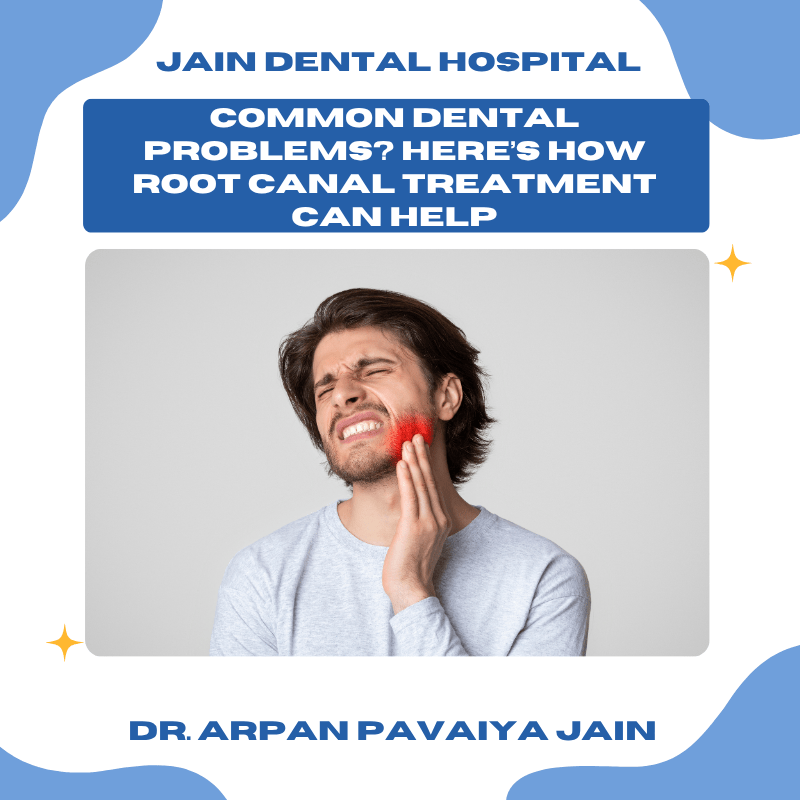
Common Dental Problems That Root Canal Treatment Can Solve
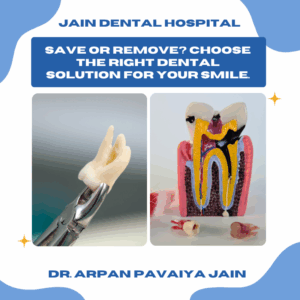
Persistent tooth pain doesn’t have to lead to tooth loss. Root canal treatment offers a proven solution for many common dental problems that might otherwise require extraction, allowing you to keep your natural tooth while eliminating pain and preventing further complications.
Understanding which dental issues can be resolved through root canal therapy helps you make informed decisions about your oral health. This comprehensive guide explores the specific problems that root canal treatment addresses, helping you recognize symptoms early and seek appropriate care before minor issues become major complications.
Whether you’re experiencing tooth sensitivity, dealing with an infection, or facing the aftermath of dental trauma, root canal treatment might be the key to preserving your smile and maintaining optimal oral health for years to come.
What Is Root Canal Treatment?
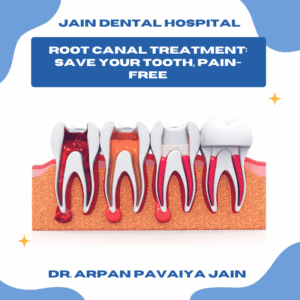
Root canal treatment is a dental procedure designed to save severely damaged or infected teeth by removing the diseased pulp tissue from inside the tooth. The process involves several carefully orchestrated steps that eliminate infection while preserving your natural tooth structure.
The core purpose: Save teeth that would otherwise require extraction due to pulp damage or infection.
Key process steps include:
- Administering local anesthesia for patient comfort
- Creating a small access opening in the tooth
- Removing infected or inflamed pulp tissue
- Cleaning and disinfecting the root canals thoroughly
- Filling the canals with biocompatible material (gutta-percha)
- Sealing the tooth with a temporary or permanent filling
- Placing a crown for long-term protection and restoration
This procedure transforms a painful, infected tooth into a fully functional part of your smile, typically completed in one to three appointments depending on the complexity of your case.
Common Dental Problems That Root Canal Treatment Can Solve
1) Deep Tooth Decay That Reaches the Pulp
When cavities progress beyond the tooth’s outer layers, bacteria can penetrate deep into the pulp chamber where nerves and blood vessels reside. At this advanced stage, simple fillings cannot address the infection that has taken hold in the tooth’s core.
The decay process begins with acid-producing bacteria breaking down tooth enamel. Without intervention, this destruction continues through the dentin layer and eventually reaches the pulp, causing severe pain and infection. Root canal treatment removes the infected tissue, eliminates bacteria, and saves the remaining healthy tooth structure that would be lost with extraction.
2) Tooth Abscess or Dental Infection
A dental abscess represents one of the most serious dental emergencies, characterized by a pus-filled infection that develops around the tooth root or in the surrounding gums. This condition occurs when bacteria multiply within the pulp chamber and spread beyond the tooth’s confines.
Common symptoms include:
- Intense, throbbing pain that may radiate to the jaw or ear
- Swelling in the face, cheek, or neck
- Fever and general feeling of illness
- Bad taste in the mouth or persistent bad breath
- Sensitivity to temperature and pressure
Root canal treatment eliminates the source of infection by removing contaminated pulp tissue and thoroughly disinfecting the tooth’s interior. This approach resolves the abscess while preserving the natural tooth, avoiding the need for extraction and subsequent tooth replacement.
3) Cracked, Fractured, or Chipped Tooth Exposing Pulp
Dental trauma from accidents, sports injuries, or biting hard objects can create cracks or fractures that expose the tooth’s inner pulp to bacteria. Even hairline cracks invisible to the naked eye can provide pathways for bacterial invasion, leading to pulp infection and severe pain.
Without prompt root canal treatment, bacteria enter through these openings and establish infections that compromise the tooth’s viability. The procedure removes damaged pulp tissue and seals the tooth against further bacterial invasion, allowing the natural tooth to be restored with a crown or large filling.
4) Repeated Dental Procedures on the Same Tooth
Teeth that have undergone multiple restorations, large fillings, or extensive dental work may develop pulp inflammation over time. Each procedure, while necessary, can stress the pulp tissue and compromise its long-term health.
The cumulative effect of repeated drilling, filling placement, and restoration work can cause irreversible pulp damage, even when individual procedures are performed correctly. Root canal treatment often becomes the only viable option for preserving such heavily treated teeth, removing the compromised pulp while maintaining the tooth’s structural integrity.
5) Pulpitis (Inflamed or Dying Pulp Tissue)
Pulpitis refers to inflammation of the tooth’s pulp tissue, which can be either reversible or irreversible. Reversible pulpitis may respond to conservative treatments like removing decay and placing appropriate restorations. However, irreversible pulpitis requires root canal treatment to eliminate pain and save the tooth.
Irreversible pulpitis characteristics:
- Pain that lingers long after removing hot or cold stimuli
- Spontaneous pain that occurs without apparent triggers
- Nighttime pain that disrupts sleep
- Pain that intensifies when lying down
Root canal treatment addresses irreversible pulpitis by removing the inflamed tissue and eliminating the source of pain, allowing patients to return to normal function without discomfort.
6) Persistent Sensitivity to Hot or Cold That Lingers
While temporary tooth sensitivity is common and often manageable, persistent sensitivity that continues long after removing hot or cold stimuli indicates potential nerve damage or pulp inflammation. This prolonged response suggests that the pulp tissue can no longer recover from thermal stimulation.
Normal teeth may experience brief sensitivity that subsides quickly once the stimulus is removed. When sensitivity persists for minutes or hours, it typically indicates irreversible pulp damage requiring root canal treatment to eliminate the compromised nerve tissue and restore comfortable function.
7) Gum Swelling or Pimples on Gums
Recurring swelling around specific teeth or the appearance of small, pimple-like bumps on the gums often indicates a chronic infection draining from an infected tooth root. These “gum boils” or fistulas represent the body’s attempt to drain infection from the tooth’s interior.
The infection source lies within the tooth’s root system, making surface treatments ineffective for long-term resolution. Root canal treatment addresses the underlying infection by removing contaminated pulp tissue and thoroughly disinfecting the root canals, eliminating the source of drainage and allowing healthy gum tissue to regenerate.
Signs You Might Need Root Canal Treatment
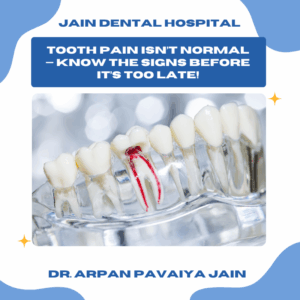
Recognizing the warning signs of pulp damage enables early intervention and better treatment outcomes. While some symptoms clearly indicate the need for root canal treatment, others may develop gradually or intermittently.
Primary indicators include:
- Severe, persistent toothache that disrupts daily activities
- Sharp pain when biting down or applying pressure to the tooth
- Prolonged sensitivity to hot or cold temperatures
- Discoloration or darkening of the affected tooth
- Swelling and tenderness in nearby gums
- Recurring pimple-like bumps on the gums near the tooth
- Bad taste or odor that persists despite good oral hygiene
Early recognition and prompt treatment often mean the difference between saving your natural tooth and requiring extraction with subsequent tooth replacement.
If you’re experiencing any of these symptoms, schedule a consultation with our endodontic experts today.
Consequences of Avoiding or Delaying Treatment
Postponing necessary root canal treatment rarely improves the situation and often leads to more complex, expensive problems. Understanding these potential consequences emphasizes the importance of timely intervention.
Infection spread: Untreated dental infections can extend to surrounding teeth, jawbone, and even systemic circulation, creating serious health risks that extend beyond oral health.
Increased pain and swelling: What begins as manageable discomfort often escalates to severe pain requiring emergency intervention, potentially disrupting work, sleep, and daily activities.
Tooth loss: Delayed treatment may result in tooth damage so extensive that extraction becomes the only viable option, necessitating expensive tooth replacement procedures.
Higher treatment costs: The complexity and cost of treatment typically increase with delay, as simple root canal procedures may evolve into surgical interventions or full mouth rehabilitation needs.
Early intervention through root canal treatment typically provides the most conservative, cost-effective solution for preserving your natural tooth and maintaining oral health.
Benefits of Root Canal Treatment over Extraction
Choosing root canal treatment over extraction offers numerous advantages that extend far beyond immediate problem resolution. These benefits impact your long-term oral health, function, and overall quality of life.
Preserves natural tooth structure: Maintaining your original tooth keeps the root system intact, providing continued stimulation to the surrounding jawbone and preventing bone loss that commonly follows extraction.
Maintains proper bite alignment: Your natural tooth continues to support proper jaw positioning and bite relationships, preventing the shifting and misalignment that can occur when teeth are removed.
Cost-effectiveness: While root canal treatment requires initial investment, it typically proves more economical than extraction followed by implant placement or bridge construction.
Superior chewing efficiency: Natural teeth provide optimal chewing function that surpasses most artificial replacements, allowing you to enjoy a full range of foods without restriction.
Aesthetic preservation: Your natural tooth maintains the appearance and contours of your original smile without requiring additional cosmetic procedures.
When Extraction Might Be the Better Option
Despite the many advantages of root canal treatment, certain situations may make extraction the more appropriate choice. Understanding these scenarios helps ensure realistic expectations and optimal treatment planning.
Extensive structural damage: Teeth fractured below the gum line or with insufficient remaining structure to support a crown may not be candidates for successful root canal treatment.
Severe bone loss: Advanced periodontal disease that has destroyed significant bone support around the tooth may compromise long-term success even after successful root canal therapy.
Failed previous root canal: Teeth with previously unsuccessful root canal treatment may require extraction if retreatment is not feasible or likely to succeed.
Financial considerations: When budget constraints make root canal treatment and crown placement financially challenging, extraction may provide immediate pain relief while allowing time to plan for eventual tooth replacement.
Your dentist will evaluate these factors alongside your overall oral health, treatment goals, and personal circumstances to recommend the most appropriate treatment approach.
Taking the Next Step for Your Oral Health
Root canal treatment offers an effective solution for numerous dental problems that might otherwise result in tooth loss. From deep decay and abscesss to trauma and pulp inflammation, this procedure can eliminate pain while preserving your natural tooth for decades of continued function.
The key to successful outcomes lies in early recognition of symptoms and prompt professional evaluation. Don’t let fear or uncertainty prevent you from exploring treatment options that could save your natural tooth and maintain your oral health.
Modern root canal procedures are comfortable, highly successful, and provide long-lasting results that often exceed the performance of tooth replacement options. With proper care, your treated tooth can serve you well for a lifetime.
Schedule Your Consultation Today
If you’re experiencing persistent tooth pain, sensitivity, or other concerning symptoms, don’t wait for the problem to worsen.
Schedule a consultation today to get a thorough examination, discuss your options, and create a treatment plan that fits your needs and budget. Your future smile depends on the decision you make now.
At Jain Dental Hospital, Indirapuram, Ghaziabad, we deliver safe, painless root canal therapy using the latest dental technology.
Led by our experienced endodontist, our team is here to debunk your fears with expert care and compassionate service.
Stop believing the myths—start experiencing the truth.
Call us at +91-9582535204 or visit www.jaindentistdelhi.com to schedule your consultation today

Dr. Arpan Pavaiya Jain, Director of Jain Dental Hospital, Indirapuram, Ghaziabad is a renowned Prosthodontist and Implantologist with over 20 years of expertise in advanced dentistry. A graduate of the prestigious King George’s Medical College Lucknow, he has performed more than 20,000 successful dental implant procedures. Dr. Jain leads a team of skilled professionals, offering state-of-the-art treatments in dental implants, clear aligners, cosmetic dentistry, orthodontics, and more. Known for his personalized care and commitment to excellence, he has earned a reputation as a trusted dental expert in Indirapuram, Ghaziabad.