Do Root Canals Hurt? Here’s What You Need to Know in 2025
Still wincing at the thought of a root canal? or You also live your life with a question “Do root canals hurt in 2025 also”, You’re not alone. Despite being one of the most effective dental procedures available today, root canals continue to carry an outdated reputation for pain and discomfort. But here’s the reality: modern root canal treatment in 2025 is virtually painless, thanks to revolutionary advancements in dental technology and pain management techniques.
If you’ve been delaying necessary treatment due to fear, this comprehensive guide will separate fact from fiction. We’ll explore how root canal procedures have evolved, what actually happens during treatment, and why the question “do root canals hurt?” can finally be answered with confidence: not anymore.
Whether you’re experiencing tooth pain, have been advised to get a root canal, or are simply curious about modern dental procedures, this article provides everything you need to make an informed decision about your oral health in 2025.
What Is a Root Canal and Why Might You Need One?
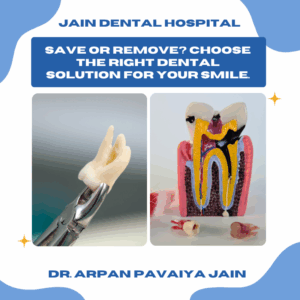
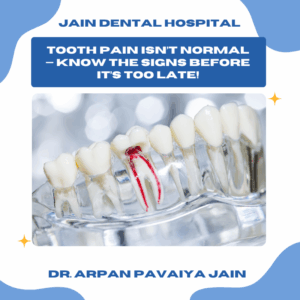
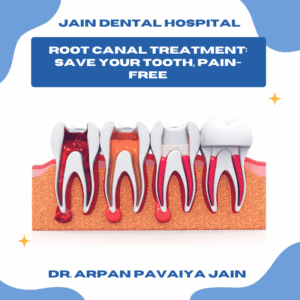
A root canal is a specialized dental procedure designed to save an infected or severely damaged tooth. The treatment involves removing the infected pulp—a collection of nerves, blood vessels, and connective tissue—from inside your tooth’s root canals, then cleaning, disinfecting, and sealing the space to prevent further infection.
Common reasons you might need a root canal include:
- Deep decay that has reached the tooth’s nerve
- Repeated dental procedures on the same tooth
- Large fillings that have compromised the tooth structure
- Cracks or chips that expose the inner pulp
- Trauma or injury to the face that damages the tooth’s nerve
- Severe tooth sensitivity that doesn’t resolve
Root canal treatment 2025 updates include:
Modern root canal techniques now utilize advanced 3D imaging, laser-assisted disinfection, and AI-guided precision tools. These innovations have transformed what was once a lengthy, uncomfortable procedure into a streamlined, comfortable experience that often takes just one appointment.
The goal remains the same: to eliminate infection while preserving your natural tooth structure, which is always preferable to extraction when possible.
Do Root Canals Hurt During the Procedure?
The short answer is no—modern root canal procedures are designed to be virtually painless. Here’s why contemporary root canal treatment differs dramatically from outdated procedures:
Advanced Anesthesia Options
Today’s dental anesthetics are more effective than ever. Your dentist will use local anesthesia to completely numb the treatment area, ensuring you feel no pain during the procedure. For anxious patients, additional options include:
- Nitrous oxide (laughing gas) for relaxation
- Oral sedation to reduce anxiety
- IV sedation for complex cases or extreme dental phobia
Pressure vs. Pain: What You’ll Actually Feel
During the procedure, you may experience some pressure or mild vibration from the dental instruments, but this shouldn’t be painful. Many patients report that the sensation is similar to getting a regular filling. If you do feel any discomfort, your dentist can immediately administer additional anesthesia.
Modern Techniques Minimize Discomfort
AI-guided precision tools now allow dentists to work with unprecedented accuracy, reducing treatment time and minimizing tissue disturbance. Rotary endodontic instruments clean root canals more efficiently than traditional hand files, while laser-assisted therapy provides superior disinfection with less irritation to surrounding tissues.
The reality is that most root canal pain occurs before the procedure, not during it. The treatment itself is designed to eliminate the source of your discomfort.
Pain After a Root Canal: What’s Normal and Expected
While the procedure itself is painless, some mild discomfort following treatment is completely normal. Here’s what you can expect:
Typical Post-Procedure Sensations
- Mild soreness around the treated tooth for 24-72 hours
- Slight sensitivity when biting or chewing
- Minor gum tenderness near the treatment site
- Jaw muscle fatigue from keeping your mouth open during the procedure
Managing Post-Treatment Discomfort
Effective pain management strategies include:
- Taking over-the-counter pain relievers as recommended by your dentist
- Applying cold compresses to reduce swelling (15 minutes on, 15 minutes off)
- Eating soft foods for the first 24-48 hours
- Avoiding extremely hot or cold foods temporarily
- Maintaining gentle oral hygiene around the treated area
When to contact your dentist:
- Severe pain that worsens after 48 hour
- Swelling that increases rather than decreases
- Allergic reaction to prescribed medications
- Loss of temporary filling or crown
Most patients find that any discomfort resolves within 2-3 days and can be easily managed with standard pain relief methods.
How Dentists Minimize Root Canal Pain in 2025
Modern dentistry has revolutionized root canal treatment through technological innovations and refined techniques:
Cutting-Edge Technology
3D imaging and CBCT scans provide detailed views of your tooth’s internal structure, allowing for precise treatment planning. Digital microscopes offer magnification up to 25x, enabling dentists to identify and treat even the smallest canals with accuracy.
Smart irrigation systems use advanced solutions to thoroughly clean and disinfect root canals, while biocompatible filling materials ensure optimal sealing and healing.
Enhanced Numbing Techniques
Modern anesthetics work faster and last longer than previous formulations. Computer-controlled injection systems deliver anesthesia at the optimal rate and pressure, reducing injection discomfort. Some practices now offer topical numbing gels and needle-free injection systems for patients with injection anxiety.
Streamlined Procedures
Many root canals can now be completed in a single visit, thanks to advanced cleaning and shaping techniques. Rotary endodontic instruments work more efficiently than manual tools, while thermal obturation provides superior canal sealing in less time.
The combination of these advances means shorter appointments, better outcomes, and significantly improved patient comfort.
Root Canal vs. Tooth Extraction: Which Hurts More?
When facing a severely damaged tooth, patients often wonder whether root canal treatment or extraction would be less painful. Here’s an honest comparison:
Pain During Procedure
| Aspect | Root Canal | Tooth Extraction |
| Procedure pain | Minimal with anesthesia | Minimal with anesthesia |
| Duration | 60-90 minutes | 15-30 minutes |
| Complexity | Moderate | Simple to complex |
Recovery and Long-Term Considerations
Root canal recovery:
- 1-3 days of mild discomfort
- Normal activities resume quickly
- Natural tooth preserved
- No dietary restrictions after healing
Extraction recovery:
- 3-7 days of moderate pain
- Swelling and bleeding common
- Missing tooth requires replacement
- Soft food diet for several days
Cost and Functionality
While extraction may seem simpler initially, replacing a missing tooth with an implant, bridge, or denture often costs more and requires additional procedures. Root canal treatment preserves your natural tooth structure, maintaining proper bite alignment and preventing adjacent teeth from shifting.
The verdict: Root canal treatment typically involves less overall discomfort and better long-term outcomes than extraction when the tooth can be saved.
Debunking Common Root Canal Myths in 2025
Despite advances in dental technology, several persistent myths continue to cause unnecessary anxiety about root canal procedures:
Myth 1: Root Canals Are Excruciating
Reality: Modern root canal pain is minimal. With effective anesthesia and advanced techniques, most patients experience no discomfort during treatment and only mild soreness afterward.
Myth 2: It’s Better to Pull the Tooth
Reality: Preserving your natural tooth is almost always preferable. Root canals have a 95% success rate, and treated teeth can last a lifetime with proper care. Extraction leads to bone loss and requires expensive tooth replacement.
Myth 3: Root Canals Cause Illness
Reality: This myth stems from debunked research from the 1920s. Modern scientific evidence shows no connection between root canal treatment and systemic illness. In fact, eliminating dental infections improves overall health.
Myth 4: Root Canals Require Multiple Appointments
Reality: Many modern root canal techniques allow treatment completion in a single visit. Complex cases might require two appointments, but gone are the days of multiple lengthy sessions.
Myth 5: Root Canal Teeth Become Brittle
Reality: With proper restoration (usually a crown), root canal-treated teeth function normally and can last as long as natural teeth. The key is following up with recommended restorative treatment.
These myths persist largely because they’re based on outdated dental practices. Contemporary root canal treatment bears little resemblance to procedures from even a decade ago.
Step-by-Step: What to Expect Before, During, and After Treatment
Understanding the root canal process can help alleviate anxiety and ensure optimal outcomes:
Before Your Appointment
Preparation checklist:
- Take prescribed antibiotics if your dentist has recommended them
- Eat a normal meal before treatment (you may be numb for several hours afterward)
- Arrange transportation if receiving sedation
- Wear comfortable clothing
- Bring headphones if you’d like to listen to music during treatment
During the Procedure
Step 1: Anesthesia Administration
Your dentist will apply topical numbing gel, then administer local anesthesia to ensure complete comfort throughout the procedure.
Step 2: Access and Cleaning
A small opening is made in the tooth’s crown to access the infected pulp. Advanced instruments remove the infected tissue and shape the root canals.
Step 3: Disinfection and Sealing
The cleaned canals are thoroughly disinfected, then filled with biocompatible material and sealed to prevent reinfection.
Step 4: Temporary Restoration
A temporary filling closes the access opening. A permanent crown will be placed at a follow-up appointment.
After Treatment Care
First 24 hours:
- Take prescribed pain medication as directed
- Apply cold compresses to reduce potential swelling
- Eat soft foods and chew on the opposite side
- Avoid smoking and alcohol
Following days:
- Maintain gentle oral hygiene
- Avoid hard or sticky foods until permanent restoration
- Return for crown placement as scheduled
- Contact your dentist if you experience severe pain or complications
Most patients return to normal activities within 24-48 hours.
When Root Canals Do Hurt: Understanding Rare Complications
While modern root canal procedures are typically painless, understanding potential complications helps set realistic expectations:
Uncommon Scenarios That May Cause Discomfort
Incomplete cleaning: If infected tissue remains in complex canal systems, discomfort may persist. This occurs in less than 5% of cases and can usually be resolved with retreatment.
Missed canals: Some teeth have anatomical variations with additional canals that may be difficult to locate without advanced imaging.
Post-operative infection: Rarely, new infections can develop if bacteria enter the treated area during healing.
Instrument separation: Very occasionally, tiny instruments may separate inside the canal, though modern flexible instruments have greatly reduced this risk.
Ensuring Quality Treatment
Choose an experienced endodontist for complex cases. These specialists complete additional training in root canal procedures and use advanced equipment designed specifically for endodontic treatment.
Verify modern equipment: Ensure your dental practice uses current technology including digital imaging, rotary instruments, and operating microscopes.
Follow post-care instructions carefully to minimize complications and promote optimal healing.
The key point is that complications are rare with proper technique and equipment, and most issues can be successfully resolved if they do occur.
Advanced Root Canal Technologies Transforming Treatment in 2025
The dental field continues to evolve rapidly, with several breakthrough technologies specifically improving root canal outcomes:
Artificial Intelligence in Endodontics
AI-assisted diagnosis now helps identify canal systems and predict treatment complexity before procedures begin. Machine learning algorithms analyze thousands of root canal cases to suggest optimal treatment approaches for individual patients.
Laser Technology
Photodynamic therapy uses laser light to eliminate bacteria more effectively than traditional chemical irrigation alone. Laser-activated irrigation enhances cleaning solutions’ penetration into complex canal anatomy.
Bioactive Materials
Bioceramics and other advanced filling materials now promote natural healing and create better seals than traditional materials. These materials are more biocompatible and may help regenerate damaged tissues.
Regenerative Endodontics
For young patients with damaged permanent teeth, regenerative procedures can actually regrow healthy pulp tissue rather than simply filling the space. This cutting-edge approach preserves tooth vitality while eliminating infection.
These advances represent the future of endodontic care, making treatments even more predictable, comfortable, and successful.
Making the Right Choice for Your Oral Health
Root canal treatment in 2025 represents one of dentistry’s greatest success stories. What was once considered a painful, lengthy ordeal has transformed into a comfortable, efficient procedure that saves millions of teeth annually.
The evidence is clear: modern root canal techniques are virtually painless, highly successful, and essential for maintaining optimal oral health. Advanced anesthetics, precision instruments, and improved understanding of pain management have eliminated the discomfort traditionally associated with endodontic treatment.
If you’re experiencing tooth pain, sensitivity, or have been advised to consider root canal treatment, don’t let outdated fears prevent you from getting the care you need. Delaying treatment only allows infections to worsen, potentially leading to more complex problems and genuine discomfort.
The technology and techniques available in 2025 make root canal treatment more predictable, comfortable, and successful than ever before. Your natural teeth are worth preserving, and modern endodontics makes it possible to do so without the pain and anxiety of the past.
Schedule Your Consultation Today
Ready to learn more about pain-free root canal treatment?
Schedule a consultation today to get a thorough examination, discuss your options, and create a treatment plan that fits your needs and budget. Your future smile depends on the decision you make now.
At Jain Dental Hospital, Indirapuram, Ghaziabad, we deliver safe, painless root canal therapy using the latest dental technology.
Led by our experienced endodontist, our team is here to debunk your fears with expert care and compassionate service.
Stop believing the myths—start experiencing the truth.
Call us at +91-9582535204 or visit www.jaindentistdelhi.com to schedule your consultation today

Dr. Arpan Pavaiya Jain, Director of Jain Dental Hospital, Indirapuram, Ghaziabad is a renowned Prosthodontist and Implantologist with over 20 years of expertise in advanced dentistry. A graduate of the prestigious King George’s Medical College Lucknow, he has performed more than 20,000 successful dental implant procedures. Dr. Jain leads a team of skilled professionals, offering state-of-the-art treatments in dental implants, clear aligners, cosmetic dentistry, orthodontics, and more. Known for his personalized care and commitment to excellence, he has earned a reputation as a trusted dental expert in Indirapuram, Ghaziabad.