How Often Should You Change Your Toothbrush? A Dentist Explains
It’s easy to spot when your running shoes are worn out or when the milk in your fridge has gone bad. But knowing exactly How often should you change your toothbrush? That’s a little trickier. Many of us are guilty of using the same brush for far too long, assuming that as long as it has bristles, it’s doing the job.
However, your toothbrush is the primary tool in your daily defense against plaque, tartar, and gum disease. Using an old, frayed brush isn’t just ineffective; it can actually work against your oral health goals. It’s not about aesthetics—it’s about hygiene and science.
In this guide, we’ll break down the evidence-based dental guidance on toothbrush lifespan. We’ll explain exactly when to make the switch, the hidden dangers of holding onto an old brush, and expert tips to keep your smile healthy. Consider this your definitive, dentist-approved guide to toothbrush hygiene.
Short Answer: How Often Should You Change Your Toothbrush?
If you are looking for the quick, dentist-approved rule of thumb, here it is: You should replace your toothbrush or electric toothbrush head every 3 to 4 months.
This isn’t an arbitrary timeline. Global health organizations, including the American Dental Association (ADA), consistently recommend this 12-to-16-week window. Why? Because extensive research shows that after three months of regular use (brushing twice daily for two minutes), bristles begin to break down.
Adhering to this schedule ensures that:
- Your bristles remain effective enough to disrupt plaque colonies.
- You minimize the accumulation of bacteria on the brush head.
- You avoid damaging your gums with frayed, sharp bristle ends.
What Happens If You Don’t Change Your Toothbrush on Time?
It might seem harmless to stretch that three-month timeline to six months or a year, but delaying replacement can have silent, cumulative effects on your mouth.
Here is what happens when you brush with an expired tool:
- Reduced Cleaning Effectiveness: As bristles wear down, they lose their stiffness and ability to reach into tight spaces between teeth and along the gumline. Studies suggest that a worn toothbrush removes significantly less plaque than a new one.
- Bacteria Buildup: Your mouth is home to millions of bacteria—some good, some bad. Over time, bacteria from your mouth, as well as germs from the bathroom environment (like toilet plumes), accumulate on the brush head.
- Increased Oral Health Risks: When plaque isn’t effectively removed, it hardens into tartar, leading to a higher risk of cavities, gingivitis (gum inflammation), and persistent bad breath.
- Impact on Sensitivity: Worn bristles don’t just stop cleaning; they can become abrasive. As the rounded tips wear away, the jagged edges can scratch enamel and irritate gum tissue, worsening sensitivity.
Signs It’s Time to Replace Your Toothbrush (Even Earlier)
While the “3-to-4 months” rule is the gold standard, it is not absolute. Your toothbrush might need to go into the trash bin much sooner depending on specific circumstances.
Here are the visual and situational cues that indicate you need an immediate replacement:
4.1 Worn or Frayed Bristles
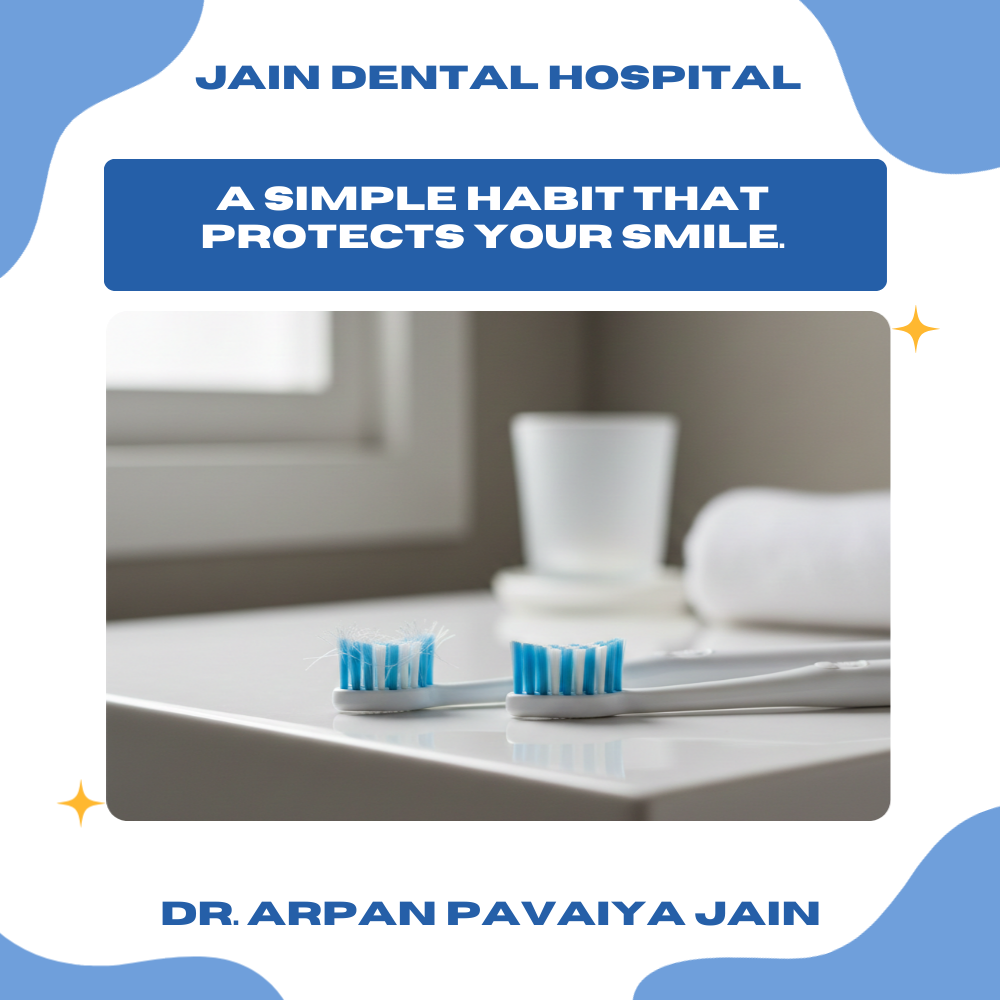
The most obvious sign is visual wear. If the bristles look splayed, bent, or mashed flat, the toothbrush is done.
- The “Flower” Effect: If the bristles fan out like a blooming flower, they cannot effectively sweep away plaque.
- Matting: If the bristles are matted together, they won’t reach the interdental spaces where cavities often start.
4.2 After Illness (Cold, Flu, COVID-19, Oral Infections)
Germs can be resilient. If you have been sick with a viral or bacterial infection, swap your brush immediately after you recover.
- Reinfection Risk: While the risk varies, pathogens like the flu virus or strep bacteria can survive on moist surfaces.
- Hygiene Best Practice: It is a small price to pay to ensure you aren’t reintroducing germs into your system or spreading them to family members’ toothbrushes stored nearby.
4.3 Changes in Gum or Tooth Sensitivity
If you suddenly notice your gums are bleeding more easily or your teeth feel sensitive during brushing, check your tool.
- Abrasion: Old bristles can become sharp and abrasive, causing micro-trauma to the gums.
- Receding Gums: Consistently using a worn brush (or brushing too hard) can contribute to gum recession, exposing the sensitive root of the tooth.
How Often Should You Change Different Types of Toothbrushes?
Not all toothbrushes are built the same, but the rules for replacement generally remain consistent across the board.
Here is how to handle different tools in your oral care arsenal:
5.1 Manual Toothbrush
Standard manual brushes are straightforward. Because you provide all the pressure and motion, it is easy to unconsciously press too hard, causing bristles to splay quickly.
- Replacement: Strict 3 to 4 months, or sooner if bristles splay.
- Tip: Buying them in multi-packs can help ensure you always have a spare ready when the time comes.
5.2 Electric Toothbrush Heads
Electric toothbrush heads often have shorter bristles that vibrate at high speeds. While the nylon is durable, the mechanism relies on precision.
- Manufacturer vs. Dentist: Both agree on the 3-month mark. Some heads feature “fade” strips—colored bristles that turn white when it is time to change.
- Cost vs. Effectiveness: While heads are more expensive than manual brushes, using a worn head defeats the purpose of investing in an electric toothbrush. A worn head cannot vibrate effectively to break up plaque.
5.3 Children’s Toothbrush
Kids are tough on toothbrushes. They often chew on the head or brush with excessive force as they learn coordination.
- Faster Wear: Parents often need to replace kids’ brushes every 1 to 2 months.
- Safety: Frayed bristles can be rough on delicate developing gums, so regular inspection is vital.
Does Toothbrush Type Affect Replacement Frequency?
You might wonder if buying a “heavy duty” or specialty toothbrush buys you more time. Generally, the answer is no.
- Soft vs. Hard Bristles: Dentists almost universally recommend soft bristles. Hard bristles may last longer physically, but they are often too abrasive for enamel and gums. Soft bristles wear out faster but are safer for your mouth.
- Eco-Friendly (Bamboo/Charcoal): Natural bristles (like boar hair) or charcoal-infused nylon wear down just like standard nylon. In fact, natural fibers can sometimes harbor more bacteria because they are porous. Stick to the 3-month rule regardless of the material.
How to Take Care of Your Toothbrush (To Make It Last Safely)
To ensure your toothbrush remains hygienic for its full 3-month lifespan, you need to care for it properly between uses.
Follow these storage and cleaning tips:
- Rinse Thoroughly: After every use, rinse the brush under tap water to remove all toothpaste residue and food debris.
- Air Dry is Best: Store the brush upright in a holder where it can air dry. Bacteria thrive in moisture.
- Avoid Covers: Do not put a cap or cover on your toothbrush for daily storage. This creates a humid greenhouse effect that encourages mold and bacterial growth. Covers are for travel only.
- No Sharing: Never share toothbrushes, and try to keep brush heads from touching if stored in a shared cup.
Common Myths About Changing Toothbrushes (Debunked by Dentists)
There is plenty of misinformation surrounding oral hygiene. Let’s clear up a few common myths regarding toothbrush care.
- Myth: “Boiling kills all germs so I can keep it longer.”
- Fact: Boiling water can warp the plastic handle and melt the bristles, rendering the brush useless. It’s safer and more effective to simply buy a new one.
- Myth: “Hard bristles clean better.”
- Fact: Plaque is soft and sticky; it doesn’t need scrubbing. Hard bristles can erode enamel. A fresh soft brush is far superior to an old hard brush.
- Myth: “Electric brushes don’t need frequent changes.”
- Fact: Just because the motor is still working doesn’t mean the bristles are. The mechanical action requires effective bristles to do the job.
Dentist’s Advice: Best Toothbrush Practices for Optimal Oral Health
Changing your toothbrush is just one part of the puzzle. To truly maintain oral health, you must pair a fresh tool with the right technique.
- Technique: Hold the brush at a 45-degree angle to the gums. Use gentle, circular strokes (or short back-and-forth strokes) rather than aggressive scrubbing.
- Frequency: Brush twice a day for a full two minutes.
- The Big Picture: Home care is essential, but it cannot remove hardened tartar. Regular professional cleanings and checkups are non-negotiable for long-term health.
Small Habit, Big Impact on Your Oral Health
- Replacing your toothbrush might seem like a minor detail in your busy life, but it is a small habit with a massive impact. A fresh toothbrush is the foundation of effective oral hygiene, ensuring that the two times a day you spend brushing are actually productive.
- By sticking to the 3-month rule and watching for signs of wear, you protect your teeth from decay, keep your gums healthy, and ensure your breath stays fresh. Don’t wait until your brush looks like a science experiment—be proactive about your health.
Frequently Asked Questions (FAQ)
How often should you change a toothbrush according to dentists?
Dentists and the American Dental Association recommend changing your toothbrush every 3 to 4 months, or sooner if the bristles appear frayed.
Is it bad to use an old toothbrush?
Yes. Old toothbrushes are less effective at removing plaque and can harbor harmful bacteria. Frayed bristles can also damage gum tissue and scratch tooth enamel.
Should I change my toothbrush after scaling or dental treatment?
It is a good idea to start with a fresh toothbrush after a professional cleaning (scaling) or gum treatment to minimize bacteria introduction to your newly cleaned gums.
How often should kids change their toothbrush?
Children often need their toothbrushes changed more frequently than adults—typically every 1 to 2 months—because they tend to chew on the bristles or brush aggressively.
Can an old toothbrush cause gum disease?
Indirectly, yes. An old toothbrush fails to remove plaque effectively. Accumulated plaque hardens into tartar, which causes gum inflammation (gingivitis) and can eventually lead to gum disease (periodontitis).
Schedule Your Consultation Today
Understand Your Oral Hygiene Habits—Before Problems Begin
Knowing how often you should change your toothbrush is a small but essential part of maintaining healthy teeth and gums. While general guidelines are helpful, your ideal oral hygiene routine can vary based on factors such as brushing technique, gum health, sensitivity, and overall oral condition. A professional dental evaluation helps ensure that your daily habits are truly supporting long-term oral health.
At Jain Dental Hospital, Dr. Arpan Pavaiya Jain and Dr. Rashi Agarwal Jain take an evidence-based, preventive approach to dental care. We help patients understand whether their brushing habits, tools, and oral hygiene routine are effective—and how simple adjustments can prevent cavities, gum disease, and sensitivity before they start.
If you’d like expert guidance on improving your oral hygiene and maintaining a healthy smile, consider scheduling a routine dental checkup or preventive consultation.
📞 Call: +91-9582535204
🌐 Visit: www.jaindentistdelhi.com

Dr. Arpan Pavaiya Jain, Director of Jain Dental Hospital, Indirapuram, Ghaziabad is a renowned Prosthodontist and Implantologist with over 20 years of expertise in advanced dentistry. A graduate of the prestigious King George’s Medical College Lucknow, he has performed more than 20,000 successful dental implant procedures. Dr. Jain leads a team of skilled professionals, offering state-of-the-art treatments in dental implants, clear aligners, cosmetic dentistry, orthodontics, and more. Known for his personalized care and commitment to excellence, he has earned a reputation as a trusted dental expert in Indirapuram, Ghaziabad.