How to Avoid Needing a Root Canal: Expert Tips
Nobody wants to hear those dreaded words at a dental appointment: ‘You need a root canal.’ The mere mention of this procedure can send shivers down your spine, and you’re not alone in that fear. According to the American Association of Endodontists, the fear of root canal treatment is still common among many people. The good news is that learning how to avoid root canal with the right preventive care can help you protect your smile and ease those worries.
But here’s the good news: root canal prevention is entirely within your control. By understanding what causes the need for this procedure and implementing expert-backed preventive strategies, you can protect your teeth and avoid the discomfort, cost, and anxiety associated with root canal therapy.
This comprehensive guide will walk you through everything you need to know about preventing root canals, from daily oral care habits to recognizing early warning signs. Armed with these dentist-approved tips, you’ll be well-equipped to maintain healthy teeth and keep that root canal at bay.
What Causes Root Canal Treatments?
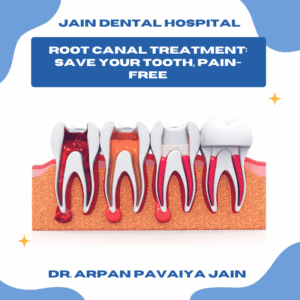
Understanding why root canals become necessary is the first step in prevention. A root canal becomes essential when the soft tissue inside your tooth—called the pulp—becomes infected or severely inflamed. This pulp contains nerves, blood vessels, and connective tissue that help nourish your tooth during development.
Several factors can lead to pulp damage:
- Deep cavities are the most common culprit. When tooth decay progresses through the enamel and reaches the pulp, bacteria can cause a painful infection that requires root canal treatment.
- Untreated tooth decay allows harmful bacteria to multiply and penetrate deeper into the tooth structure. What starts as a small cavity can eventually reach the tooth’s core if left unchecked.
- Cracked or chipped teeth create pathways for bacteria to enter the pulp chamber. Even hairline cracks that seem insignificant can compromise your tooth’s integrity over time.
- Gum disease and infection can also contribute to pulp damage. Advanced periodontal disease can cause bacteria to reach the tooth’s root through the gums, leading to infection.
- Repeated dental procedures on the same tooth can sometimes irritate the pulp to the point where root canal treatment becomes necessary.
Daily Oral Care Habits to Avoid Root Canal
Your daily oral hygiene routine forms the foundation of root canal prevention. Consistency in these habits can dramatically reduce your risk of developing the conditions that lead to root canal treatment.
Brush Properly and Regularly
Technique matters as much as frequency. Brush your teeth at least twice daily using fluoride toothpaste, but focus on proper technique. Use gentle, circular motions rather than aggressive back-and-forth scrubbing, which can damage your enamel and gums.
Choose a soft-bristled toothbrush and replace it every three to four months. Electric toothbrushes can be particularly effective at removing plaque and bacteria that manual brushing might miss.
Fluoride toothpaste strengthens tooth enamel and helps repair early stages of decay. This mineral acts as a protective barrier against acid-producing bacteria in your mouth.
Floss Daily for Complete Protection
Flossing reaches the 35% of your tooth surfaces that brushing alone cannot clean. These interdental spaces are prime locations for plaque buildup and bacteria accumulation.
Proper flossing technique involves gentle up-and-down motions along each tooth surface, forming a C-shape around each tooth to clean below the gumline effectively.
Use Antibacterial Mouthwash
An antibacterial mouthwash provides an additional layer of protection by reducing harmful bacteria levels in your mouth. Look for mouthwashes containing fluoride for added enamel protection.
Rinse for 30 seconds after brushing and flossing to maximize the antibacterial benefits and reach areas that mechanical cleaning might have missed.
Diet and Lifestyle Choices for Strong Teeth to Avoid Root Canal
What you eat and drink directly impacts your oral health and your risk of needing a root canal.
Limit Sugar and Acidic Foods
Sugar feeds harmful bacteria in your mouth, leading to acid production that erodes tooth enamel. Sticky candies are particularly problematic because they cling to teeth longer, providing sustained fuel for bacteria.
Acidic foods and beverages like citrus fruits, sodas, and wine can weaken enamel over time. While you don’t need to eliminate these entirely, consume them in moderation and rinse with water afterward.
Embrace Tooth-Strengthening Foods
Calcium-rich foods like dairy products, leafy greens, and almonds help maintain strong teeth and bones. Calcium is essential for remineralizing tooth enamel and keeping it resistant to decay.
Vitamin D supports calcium absorption and plays a crucial role in oral health. Include vitamin D-rich foods like fatty fish, eggs, and fortified products in your diet.
Crunchy vegetables such as carrots and celery act as natural tooth cleaners, helping remove food particles while stimulating saliva production.
Stay Hydrated for Natural Protection
Water serves as nature’s mouthwash, helping flush away food particles and bacteria. Adequate hydration supports healthy saliva production, which neutralizes acids and provides natural antibacterial protection.
Fluoridated water offers additional benefits by strengthening tooth enamel throughout the day.
Regular Dental Checkups and Cleanings to Avoid Root Canal
Professional dental care is irreplaceable when it comes to root canal prevention.
Early Detection Saves Teeth
Dentists can identify problems long before you notice symptoms. Small cavities, early gum disease, and other issues can be addressed with simple treatments when caught early, preventing the need for more extensive procedures later.
Digital X-rays reveal hidden problems like decay between teeth or beneath existing fillings that might not be visible during a visual examination.
Professional Cleanings Remove Stubborn Buildup
Even with excellent home care, professional cleanings remove tartar and plaque that regular brushing and flossing cannot eliminate. This thorough cleaning helps prevent the bacterial buildup that can lead to infections requiring root canal treatment.
Preventive dentistry is cost-effective. The investment in regular checkups and cleanings is minimal compared to the cost and discomfort of root canal treatment, crowns, or tooth replacement.
Protective Measures Against Tooth Damage
Physical protection of your teeth is just as important as maintaining oral hygiene.
Sports Protection
Mouthguards are essential for anyone participating in contact sports or activities where facial injury is possible. Custom-fitted mouthguards from your dentist provide superior protection compared to store-bought options.
Address Teeth Grinding
Bruxism (teeth grinding) can crack teeth and wear down enamel, creating vulnerabilities that bacteria can exploit. If you grind your teeth, especially during sleep, ask your dentist about a custom nightguard.
Avoid Using Teeth as Tools
Never use your teeth to open packages, crack nuts, or bite non-food items. These behaviors can cause chips, cracks, or fractures that compromise tooth integrity and create entry points for bacteria.
Early Warning Signs You Shouldn’t Ignore to avoid Root Canal
Recognizing the early signs of potential problems can help you seek treatment before a root canal becomes necessary.
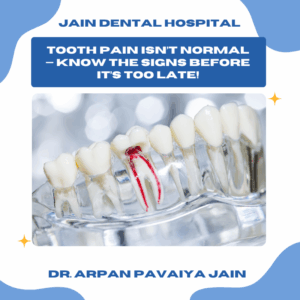
- Tooth sensitivity to hot or cold that lingers after the stimulus is removed may indicate pulp inflammation or damage.
- Persistent toothache that doesn’t resolve with over-the-counter pain medication requires professional evaluation.
- Swelling or tenderness in the gums around a specific tooth can signal infection that needs immediate attention.
- Visible cracks or chips in teeth should be examined promptly, even if they don’t cause immediate pain.
- Changes in tooth color, particularly darkening, can indicate pulp damage or death.
When Prevention Isn’t Enough
Despite your best preventive efforts, sometimes root canal treatment becomes necessary due to genetic factors, accidents, or previous dental work.
- Modern root canal procedures are highly successful with a 97% success rate according to endodontic research. Advanced techniques and anesthesia make the procedure much more comfortable than many people expect.
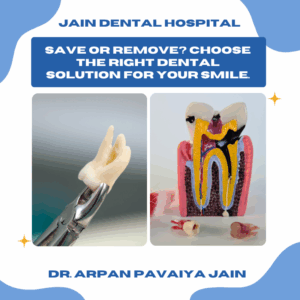
- Preserving your natural tooth through root canal treatment is almost always preferable to extraction, as it maintains proper chewing function and prevents adjacent teeth from shifting.
Expert Dentist Tips to Stay Root-Canal Free
Here are the most important takeaways from dental professionals:
- Consistency beats perfection in oral hygiene. Regular daily care is more effective than sporadic intensive cleaning.
- Address small problems quickly before they become major issues requiring extensive treatment.
- Don’t ignore pain or discomfort in your mouth. Early intervention can prevent the need for root canal treatment.
- Maintain regular dental visits every six months, or as recommended by your dentist.
- Invest in quality oral care products including fluoride toothpaste, antimicrobial mouthwash, and a good toothbrush.
Take Action Today to Protect Your Smile Tomorrow
Root canal prevention is entirely achievable through consistent oral hygiene, smart dietary choices, and regular professional care. By implementing these expert-backed strategies, you’re taking control of your oral health and significantly reducing your risk of needing this procedure.
Remember that small, consistent efforts in prevention are far more comfortable and cost-effective than dealing with advanced dental problems later. Your teeth are designed to last a lifetime with proper care.
Frequently Asked Questions
Q1. What is the best way to avoid needing a root canal?
The best way to avoid a root canal is through consistent oral hygiene, including brushing twice a day with fluoride toothpaste, daily flossing, and using antibacterial mouthwash. Regular dental checkups and cleanings also help detect problems early before they progress to needing root canal treatment.
Q2. Can diet really prevent root canal treatment?
Yes. Limiting sugar and acidic foods reduces enamel erosion and cavities. Eating calcium- and vitamin D-rich foods strengthens teeth, while crunchy vegetables like carrots help clean teeth naturally. A healthy diet supports long-term oral health.
Q3. What are the early warning signs that I might need a root canal?
Signs include lingering tooth sensitivity, persistent toothache, gum swelling or tenderness, visible cracks, and tooth discoloration. Ignoring these symptoms may lead to infection requiring a root canal.
Q4. How often should I visit the dentist to prevent root canal problems?
Most dentists recommend checkups every six months. Regular visits allow early detection of cavities, gum disease, or cracks, preventing them from developing into root canal cases.
Q5. Does flossing really help prevent root canal treatment?
Absolutely. Flossing cleans the 35% of tooth surfaces that brushing alone misses. Removing plaque and bacteria from between teeth and below the gumline helps prevent decay and infections that can lead to a root canal.
Q6. Can cracked or chipped teeth increase the risk of a root canal?
Yes. Cracks or chips create pathways for bacteria to reach the tooth’s pulp, causing infection or inflammation. Even small cracks should be evaluated by a dentist promptly.
Q7. How does staying hydrated help in root canal prevention?
Water flushes away food particles, supports saliva production, and neutralizes acids in the mouth. Drinking fluoridated water also strengthens tooth enamel, reducing the risk of decay and root canal treatment.
Q8. Are mouthguards useful in preventing root canal treatments?
Yes. Mouthguards protect teeth from trauma during sports and from grinding (bruxism) at night. Preventing chips and fractures helps lower the chances of needing a root canal.
Q9. Can gum disease lead to root canal treatment?
Advanced gum disease allows bacteria to reach the tooth root and pulp, causing infection. Treating gum issues early with professional care can prevent root canal procedures.
Q10. If prevention fails, is root canal treatment painful?
Modern root canal treatments are safe, effective, and relatively pain-free with advanced technology and anesthesia. They help preserve your natural tooth, which is always better than extraction.
Schedule Your Consultation Today
Protect Your Smile with Preventive Dental Care
Schedule a consultation today to learn personalized strategies on how to avoid needing a root canal treatment and keep your natural teeth strong for years to come.
At Jain Dental Hospital, Indirapuram, Ghaziabad, we focus on prevention as much as treatment. With advanced technology and expert guidance, we help you stay root-canal free through early detection and comprehensive dental care.
Led by our Experienced Endodontist, Dr. Rashi Aggarwal Jain, our compassionate team is here to guide you with proven prevention tips and professional care.
Don’t wait for pain to strike—take control of your oral health today.
📞 Call us at +91-9582535204 or visit www.jaindentistdelhi.com to book your preventive checkup.

Dr. Arpan Pavaiya Jain, Director of Jain Dental Hospital, Indirapuram, Ghaziabad is a renowned Prosthodontist and Implantologist with over 20 years of expertise in advanced dentistry. A graduate of the prestigious King George’s Medical College Lucknow, he has performed more than 20,000 successful dental implant procedures. Dr. Jain leads a team of skilled professionals, offering state-of-the-art treatments in dental implants, clear aligners, cosmetic dentistry, orthodontics, and more. Known for his personalized care and commitment to excellence, he has earned a reputation as a trusted dental expert in Indirapuram, Ghaziabad.