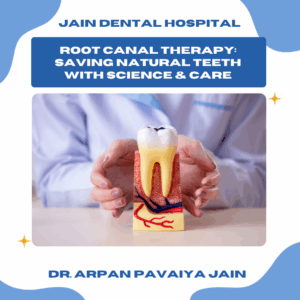

Why Ignoring a Toothache May Lead to a Root Canal
That persistent, nagging ache in your tooth might start as a minor annoyance, but it’s your body’s way of sending a clear signal: something is wrong. While it can be tempting to wait for the pain to disappear, ignoring a toothache often leads to more severe complications, including the need for a root canal. Early intervention can save you from significant discomfort, protect your natural tooth, and prevent higher treatment costs.
This guide explains what a toothache really means, the consequences of delaying treatment, and the steps you can take to prevent a minor issue from becoming a major dental emergency. Understanding these factors will empower you to make informed decisions about your oral health and keep your smile healthy for years to come.
Understanding Toothaches: More Than Just Pain
A toothache isn’t just a random sensation; it’s a direct response to irritation or infection within your tooth. Inside each tooth is a soft core called the dental pulp, which contains sensitive nerves and blood vessels. When this area becomes inflamed or infected, the pressure builds up, causing pain. A toothache is your body’s alarm system, warning you that the tooth’s inner defenses have been breached.
Common causes of toothaches include:
- Tooth Decay (Cavities): This is the most frequent cause. Bacteria on your teeth produce acids that erode the outer enamel. If left untreated, the decay works its way deeper, eventually reaching the pulp.
- Cracked or Damaged Teeth: A crack or chip, even a microscopic one, can create an entry point for bacteria to invade the pulp.
- Gum Disease: Advanced gum disease, or periodontitis, can cause gums to pull away from the teeth, exposing the roots and making them vulnerable to infection.
- Trauma: An injury to the mouth can damage the pulp, even if there’s no visible crack on the tooth’s surface.
While occasional, fleeting sensitivity can be normal, a persistent, throbbing, or sharp pain is a clear warning sign that should not be ignored.
The Silent Danger: What Happens if You Ignore a Toothache
When you ignore a toothache caused by decay, the problem doesn’t resolve itself. Instead, the infection silently progresses through the layers of your tooth.
It begins with the erosion of the hard outer enamel. As the decay advances, it penetrates the softer dentin layer underneath. At this stage, you might start to feel some sensitivity. If still left untreated, the bacteria will finally reach the dental pulp.
Once the pulp is infected, the real trouble begins. The infection causes inflammation and the death of the pulp tissue. This process can escalate quickly:
- Minor Discomfort: Initially, you might feel a dull ache or sensitivity to hot, cold, or sweet foods.
- Severe Pain: As the infection worsens, the pain can become intense, throbbing, and constant, often disrupting sleep and daily activities.
- Abscess Formation: An untreated infection can lead to an abscess, which is a pocket of pus that forms at the tip of the tooth’s root. This is a serious condition that can cause swelling in your gums, face, or jaw.
Without intervention, this progression almost inevitably leads to the need for a root canal to save the tooth.
Warning Signs That You’re Headed Toward a Root Canal
How can you tell if your tooth pain is a sign you need a root canal? Certain symptoms are strong indicators that the tooth’s pulp is infected and requires immediate attention. If you experience any of the following, it’s time to see a dentist right away.
Persistent or Severe Tooth Pain
Pain that is constant, throbbing, or so severe it wakes you up at night is a major red flag. This type of pain often indicates that the pulp is severely inflamed or infected. You might also notice that the pain intensifies when you lie down or apply pressure by chewing.
Extreme Sensitivity to Hot and Cold
While mild sensitivity is common, a key sign of pulp damage is pain from hot or cold temperatures that lingers long after the food or drink is gone. If a sip of cold water causes sharp pain that lasts for 30 seconds or more, it suggests the nerves inside your tooth are affected.
Swollen Gums or Face
Swelling around the affected tooth or on the side of your face is a clear indicator of a spreading infection. The gums near the painful tooth may be tender, red, and swollen. This is often associated with a dental abscess.
Tooth Discoloration
An infected tooth may start to darken, turning grayish-black. This discoloration happens when the pulp inside dies due to trauma or infection, causing the tooth to lose its vitality and translucency.
A Pimple-Like Bump on the Gums
The appearance of a small, persistent bump on your gums near the painful tooth is often a sign of a dental abscess. This “pimple,” known as a fistula, is a drainage tract for the pus from the infection at the root tip. It might release a foul-tasting fluid and is a definitive sign of an advanced, untreated tooth infection.
Why a Root Canal Becomes Necessary
When a toothache progresses to the point of a severe infection, a root canal is no longer an option—it’s a necessity to save the tooth. Root canal therapy is a procedure designed to remove the infected or dead pulp from inside the tooth, clean and disinfect the root canals, and then seal them to prevent future infection.
If the infected pulp is not removed, the bacteria will continue to multiply and spread beyond the tooth’s root, potentially causing infection in the jawbone. This not only leads to increased pain but can also cause serious systemic health issues if the bacteria enter the bloodstream.
Many people wonder about the difference between a root canal and simply having the tooth pulled (extraction). While an extraction removes the source of the infection, it also leaves a gap that can cause surrounding teeth to shift, affect your ability to chew, and lead to bone loss in the jaw. A root canal saves your natural tooth, preserving your smile, bite alignment, and jaw structure.
The Risks of Delaying Dental Treatment
Putting off a visit to the dentist when you have a toothache can have far-reaching consequences that go beyond just your mouth. The risks of delaying treatment include:
- Increased Pain and Discomfort: A manageable ache can quickly escalate into debilitating pain that affects your quality of life.
- Higher Treatment Costs: A small cavity can be fixed with a simple, affordable filling. An untreated tooth infection that requires a root canal and a crown is a much more complex and costly procedure.
- Risk of Tooth Loss: If the decay and infection become too severe, the tooth may be unsalvageable, leaving extraction as the only option.
- Impact on Overall Health: Oral health is closely linked to systemic health. An untreated tooth infection can spread bacteria through the bloodstream, contributing to complications with conditions like heart disease and diabetes.
The Benefits of Early Dental Intervention
The advantages of addressing dental issues early are significant. Catching a cavity in its initial stages often requires just a quick, painless filling. This approach not only costs less but also involves a much less invasive procedure compared to a root canal.
Most importantly, early detection and treatment help you preserve your natural teeth. Your own teeth are stronger and function better than any artificial replacement. By responding to the early signs of dental pain, you are making a proactive choice to protect your long-term health and well-being.
How to Prevent Toothaches from Turning into a Root Canal
The best way to handle a root canal is to avoid needing one in the first place. Prevention is centered on excellent oral hygiene and regular dental care.
- Practice Daily Oral Hygiene: Brush your teeth at least twice a day with fluoride toothpaste and floss daily to remove plaque and food particles from between your teeth. Using an antibacterial mouthwash can also help reduce bacteria.
- Schedule Regular Dental Checkups: Visit your dentist every six months for professional cleanings and examinations. These visits allow your dentist to spot and treat small problems before they escalate.
- Maintain a Healthy Diet: Limit your intake of sugary and acidic foods and drinks, which contribute to tooth decay. A balanced diet supports strong teeth and gums.
Respond to Early Pain Signals: If you feel any persistent pain or sensitivity, don’t wait. Schedule an appointment with your dentist immediately.
Protect Your Smile Today
A toothache is never “just a toothache.” It’s a critical warning that demands your attention. By understanding the signs of a serious problem and seeking prompt care, you can avoid the severe pain, high costs, and health risks associated with an untreated tooth infection.
Don’t wait for a nagging ache to become a dental emergency. If you are experiencing any of the symptoms discussed in this guide, schedule a check-up with your dentist. Taking action today is the best way to protect your smile and your overall health for the future.
Frequently Asked Questions
1. What happens if you ignore a toothache?
Ignoring a toothache allows infection to spread deeper into the tooth. Over time, the decay can reach the pulp, leading to severe pain, abscess formation, and the need for a root canal.
2. Can a toothache go away on its own?
A mild sensitivity may fade, but a true toothache caused by decay or infection will not heal naturally. Even if pain subsides temporarily, the infection remains and continues to worsen.
3. How long can I leave a toothache untreated?
There’s no safe window to ignore a toothache. In some cases, infection can become serious within days or weeks, increasing pain and the risk of tooth loss or systemic complications.
4. When does a toothache require a root canal?
A root canal becomes necessary when infection reaches the dental pulp. Signs include severe, lingering pain, swelling, discoloration, or a pimple-like bump on the gums.
5. Can ignoring tooth pain cause other health problems?
Yes. Untreated tooth infections can allow bacteria to enter the bloodstream, potentially leading to serious complications that affect heart health or diabetes control.
6. Is root canal treatment painful?
Modern root canal procedures are virtually pain-free. With advanced anesthetics and techniques, the treatment feels similar to getting a regular dental filling.
7. Can all toothaches be treated without a root canal?
If detected early, minor toothaches from small cavities or gum irritation can be treated with fillings or deep cleaning. Once the pulp is infected, only a root canal can save the tooth.
8. How can I prevent a toothache from turning into a root canal?
Maintain daily oral hygiene, limit sugary foods, visit your dentist every six months, and never ignore persistent tooth pain or sensitivity.
Schedule Your Consultation Today
Don’t Ignore That Toothache — Act Before It’s Too Late
Schedule a consultation today and let our experts identify the real cause behind your tooth pain before it turns into a root canal situation.
At Jain Dental Hospital, Indirapuram, Ghaziabad, we focus on early diagnosis and gentle, preventive care to save your natural teeth and keep your smile healthy. Led by RCT Specialist Dr. Rashi Aggarwal Jain, our compassionate team ensures precise, comfortable treatment using advanced dental technology.
Stop delaying — every day matters when it comes to dental pain. Call us at +91-9582535204 or visit www.jaindentistdelhi.com to schedule your consultation today

Dr. Arpan Pavaiya Jain, Director of Jain Dental Hospital, Indirapuram, Ghaziabad is a renowned Prosthodontist and Implantologist with over 20 years of expertise in advanced dentistry. A graduate of the prestigious King George’s Medical College Lucknow, he has performed more than 20,000 successful dental implant procedures. Dr. Jain leads a team of skilled professionals, offering state-of-the-art treatments in dental implants, clear aligners, cosmetic dentistry, orthodontics, and more. Known for his personalized care and commitment to excellence, he has earned a reputation as a trusted dental expert in Indirapuram, Ghaziabad.