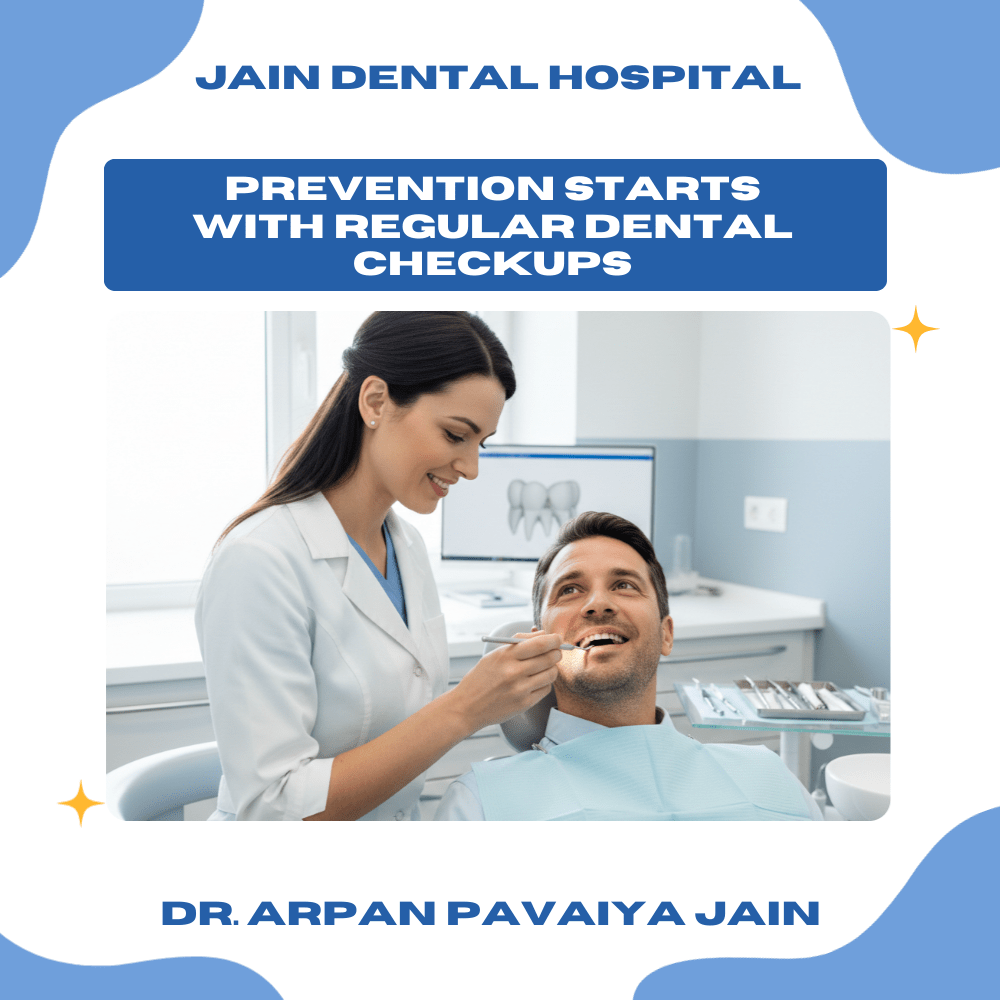
The Importance of Regular Dental Checkups: What the Science Says
Many people view a trip to the dentist as a necessity only when something hurts. It is a common misconception that if you brush and floss daily and feel no pain, your oral health is in perfect condition and most of the people completely ignore the importance of regular dental checkups. This belief, however, overlooks a critical aspect of biology: the most destructive dental issues are often silent until they reach an advanced stage. By the time you feel a toothache or notice bleeding gums, the window for simple, preventative treatment has often closed.
The science behind modern dentistry has shifted significantly from a reactive model—fixing problems after they arise—to a preventive, evidence-based approach. Regular dental checkups are the cornerstone of this philosophy. These visits are not merely about polishing your teeth; they are comprehensive medical examinations designed to interrupt the disease process before it causes irreversible damage. Understanding the clinical and systemic importance of these visits can help you prioritize your oral health, leading to better overall health outcomes and significant cost savings over your lifetime.
What Is a Regular Dental Checkup?
From a professional standpoint, a dental checkup is a structured clinical examination of the entire oral-facial system. It is distinct from a “problem-based visit,” which focuses on a specific complaint like a broken tooth or acute pain. A checkup is comprehensive, aiming to establish a baseline of health and identify deviations from the norm before they become symptomatic. It is a diagnostic procedure that combines visual assessment, tactile examination, and radiographic imaging to ensure every structure in the mouth is functioning correctly.
To understand the value of these appointments, it is helpful to distinguish between the different components of a dental visit. While often grouped together, they serve different clinical purposes:
- The Dental Checkup: This is the diagnostic portion of the visit performed by the dentist. It involves examining the teeth for decay, checking the gums for periodontal pockets, assessing the bite (occlusion), and screening for oral pathologies like cancer.
- The Dental Cleaning (Prophylaxis): This is the therapeutic portion, usually performed by a dental hygienist. It focuses on the mechanical removal of bacterial plaque and hardened calculus (tartar) that cannot be removed by brushing alone.
- The Problem-Based Visit: This is a reactive appointment scheduled because the patient is experiencing symptoms. Unlike a routine checkup, the focus here is immediate pain relief or repair rather than holistic prevention.
What Science Says About Preventive Dental Care
Preventive dentistry is rooted in the scientific understanding that oral diseases are largely cumulative and progressive. Unlike a common cold that the body can fight off, tooth decay and gum disease do not resolve on their own; they worsen over time. A checkup provides the necessary intervention to stop this progression. The clinical goal is to maintain the biological equilibrium of the mouth, keeping the bacterial load under control and the tissues healthy.
Preventive Dentistry vs. Symptom-Based Care
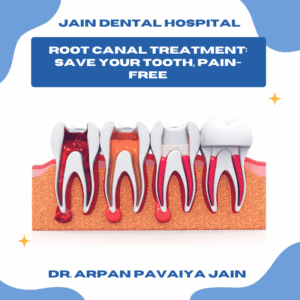
Most dental diseases are asymptomatic in their early stages. Enamel, the outer layer of the tooth, has no nerves. Therefore, early decay is painless. It is only when the decay penetrates the dentin and reaches the nerve pulp that you feel a toothache. By relying on symptoms to dictate when you see a dentist, you are essentially waiting for the disease to cause structural damage. Scientific reasoning supports regular monitoring to catch these issues while they are still in the “silent” phase, allowing for minimally invasive treatments like remineralization or small fillings rather than root canals.
Evidence on Disease Progression Without Checkups
Without professional intervention, oral pathology follows a predictable and destructive timeline.
- Cavities: A small lesion in the enamel can take months or years to progress into the tooth pulp. Regular intervals allow dentists to monitor these “watches” and intervene exactly when necessary.
- Gum Disease: Gingivitis (inflammation) is reversible. However, if unchecked, it progresses to periodontitis, which involves permanent bone loss. This transition often happens without pain, meaning a patient can lose the supporting bone of their teeth without realizing it until the teeth become loose.
- Oral Cancer: This is aggressive and life-threatening. Survival rates increase dramatically with early detection, which typically only happens during a routine professional screening.
Early Detection: The Biggest Scientific Advantage
The primary scientific advantage of a professional checkup is the ability to see what is invisible to the naked eye. Dentists utilize technology and training to look beneath the surface. While a mirror at home can show you a stain on a front tooth, it cannot show you the health of the bone jaw or decay hiding between molars.
Tooth Decay and Cavities
Cavities often develop in the contact points between teeth or deep within the grooves of molars. Micro-cavities can begin to demineralize the tooth structure beneath the enamel surface while the surface remains intact. Through the use of bite-wing X-rays and transillumination, dentists can detect these demineralized areas before they break through the surface, sometimes allowing for reversal through fluoride therapy rather than drilling.
Gum Disease (Gingivitis to Periodontitis)
Gum disease is a chronic inflammatory condition. A dentist or hygienist uses a periodontal probe to measure the space (pocket) between the tooth and gum. A healthy depth is 1 to 3 millimeters. Pockets deeper than 4 millimeters indicate active infection and bone loss. This measurement is the only accurate way to diagnose the true state of gum health, as bleeding is not always present in smokers or those with specific health conditions.
Oral Cancer Screening
Oral cancer can present as a small white or red patch, a lump, or an ulcer that doesn’t heal. These signs are easily missed by patients or mistaken for a canker sore. Dentists are trained to palpate the lymph nodes in the neck and examine the soft tissues of the tongue, lips, and cheeks to identify suspicious lesions early, when treatment is most effective and least disfiguring.
Professional Cleaning: Why Home Care Is Not Enough
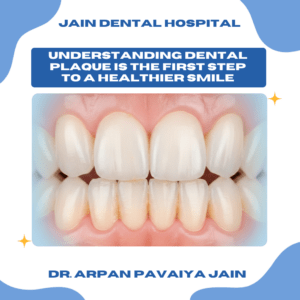
Even the most diligent brusher and flosser cannot remove 100% of the bacteria in their mouth. Plaque is a sticky biofilm of bacteria. If not removed within 24 to 48 hours, it mineralizes into tartar (calculus) due to the calcium and phosphate in your saliva. Once tartar forms, it bonds continuously to the tooth surface and can only be removed with professional dental instruments.
Limitations of Brushing and Flossing
Toothbrush bristles cannot penetrate deep below the gum line or remove hardened tartar. Tartar acts as a scaffold for more plaque to accumulate, creating a breeding ground for bacteria that release toxins into the gums.
Tartar Formation Explained Scientifically
Calculus is porous and rough. Its presence causes chronic inflammation of the gingiva (gums). Professional scaling uses ultrasonic vibrations and hand instruments to fracture and remove these deposits.
Benefits of Professional Scaling
- Reduced Bacterial Load: Removing tartar reduces the overall bacterial count in the mouth, lowering the inflammatory burden on the body.
- Fresher Breath: Chronic bad breath (halitosis) is often caused by volatile sulfur compounds released by bacteria trapped in tartar. Cleaning eliminates this source.
- Healthier Gums: Once the irritant (tartar) is removed, the gums can heal, inflammation subsides, and bleeding stops.
The Oral–Systemic Health Connection
Modern research has firmly established that the mouth is not an isolated ecosystem; it is a gateway to the rest of the body. Oral health is a mirror of systemic health, and conversely, systemic diseases often manifest in the mouth. Chronic inflammation in the mouth has been linked to inflammation elsewhere in the body, suggesting that neglecting dental checkups can have far-reaching consequences for your general well-being.
Heart Disease and Stroke
Research suggests an association between periodontal disease and cardiovascular health. Oral bacteria can enter the bloodstream through inflamed gums, potentially contributing to the formation of arterial plaque or blood clots. This systemic inflammation is a known risk factor for heart attacks and strokes.
Diabetes and Blood Sugar Control
There is a well-documented two-way relationship between gum disease and diabetes. Diabetics are more prone to infections, including gum disease. Conversely, severe gum disease can make it more difficult to control blood glucose levels, leading to worsened diabetic complications. Treating gum disease can actually help improve glycemic control.
Respiratory Infections
The mouth is the entry point to the respiratory tract. If the mouth is colonized by pathogenic bacteria, especially in older adults or those with compromised immune systems, these bacteria can be aspirated into the lungs, leading to pneumonia or other respiratory infections.
Pregnancy Complications
Pregnant women with untreated periodontal disease may be at a higher risk for adverse pregnancy outcomes, such as preterm birth and low birth weight. Hormonal changes during pregnancy can worsen gum inflammation, making professional monitoring essential for maternal and fetal health.
What Happens During a Regular Dental Checkup? (Step-by-Step)
Anxiety often stems from the unknown. Understanding the structured workflow of a dental checkup can demystify the experience and highlight its medical value. A routine visit is a systematic investigation into the health of your hard and soft tissues.
- Medical and Dental History Review: The dentist reviews changes in your health, medications, and lifestyle habits (like smoking or diet) that affect oral health.
- Visual Oral Examination: A thorough inspection of the teeth, jaw, bite, and soft tissues for decay, wear, and abnormalities.
- Gum Health Assessment: Using a probe to measure gum pocket depths and checking for bleeding or recession.
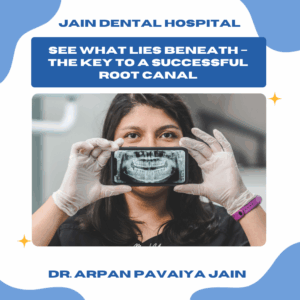
- Dental X-rays: Taken when necessary to view bone levels, root health, and decay between teeth.
- Professional Cleaning: The removal of plaque, tartar, and surface stains, followed by polishing.
- Oral Cancer Screening: Checking the head, neck, and oral tissues for lumps or lesions.
- Discussion and Guidance: The dentist interprets the findings, creates a treatment plan if needed, and provides personalized coaching on hygiene techniques.
How Often Should You Get Dental Checkups?
The standard recommendation of visiting the dentist every six months is a general guideline that works well for the majority of the population. However, scientific risk assessment suggests that one size does not fit all. The frequency of your visits should be determined by your individual risk profile and current health status.
- Standard Recommendation: For healthy individuals with low risk of cavities and no gum disease, a six-month interval is sufficient to catch problems early and remove tartar buildup.
- More Frequent Visits (3-4 Months): Certain groups require closer monitoring to prevent disease progression:
- Smokers: Smoking restricts blood flow to the gums, masking infection and accelerating bone loss.
- Diabetics: Higher risk of infection requires frequent periodontal maintenance.
- Gum Disease Patients: Once you have had periodontal disease, maintenance every 3 to 4 months is required to prevent relapse.
- Pregnant Women: Hormonal gingivitis often requires extra cleanings during the second and third trimesters.
Children vs. Adults vs. Seniors: Children need frequent visits to monitor growth and apply sealants. Seniors often need more frequent care due to dry mouth issues and reduced manual dexterity for brushing.
Long-Term Benefits of Regular Dental Checkups
Viewing dental checkups as an investment rather than a chore shifts the perspective toward long-term gains. The cumulative effect of years of preventive care is statistically significant in terms of tooth retention and quality of life.
- Lower Risk of Tooth Loss: Gum disease is the leading cause of tooth loss in adults. Regular periodontal screenings and cleanings are the single most effective way to prevent this outcome.
- Reduced Need for Expensive Treatments: Catching a cavity early means a small, inexpensive filling. Waiting until it hurts often means a root canal and crown, which costs significantly more.
- Better Oral Hygiene Habits: Regular reinforcement and instruction from a hygienist help you refine your home care technique, leading to better daily outcomes.
- Improved Confidence: A clean, healthy smile free of bad breath and visible decay contributes to higher self-esteem and social confidence.
Cost Perspective: Prevention Is More Affordable Than Treatment
One of the most common barriers to dental care is perceived cost. However, economic analyses of dental care consistently show that preventive maintenance is far cheaper than reactive restoration. Neglect is expensive; prevention is affordable.
- Routine vs. Complex Care: A standard checkup and cleaning is a fraction of the cost of complex restorative work. For example, a single root canal and crown can cost as much as ten years’ worth of regular checkups.
- Reduced Complexity: Early intervention allows for simpler procedures. Treating a small surface cavity is quick and relatively low-cost. Treating an abscessed tooth requires surgery, antibiotics, and multiple visits.
- Financial and Emotional Stress: Dental emergencies often happen at inconvenient times and carry a heavy financial burden. Regular visits allow you to plan and budget for care, eliminating the shock of unexpected emergency bills.
Common Myths About Dental Checkups
Misinformation can be a significant barrier to seeking care. Debunking these myths with scientific facts is essential for encouraging better health decisions.
- “If it doesn’t hurt, it’s fine”: As established, pain is a late-stage symptom. Absence of pain does not equal presence of health.
- “Brushing alone is enough”: Brushing cannot remove tartar or reach deep gum pockets. Professional equipment is required for total biofilm management.
- “Dental visits are too expensive”: In the long run, avoiding the dentist is the most expensive option due to the high cost of treating advanced disease.
- “Dental anxiety is unavoidable”: Modern dentistry offers sedation options, pain-free injection techniques, and compassionate care that can make visits comfortable and stress-free.
How to Make Dental Checkups a Habit
Consistency is key to reaping the benefits of preventive care. Integrating dental visits into your life requires practical strategies to ensure they are not forgotten amidst a busy schedule.
- Scheduling Reminders: Always book your next 6-month appointment before leaving the dental office. Treat it as a non-negotiable commitment like a work meeting.
- Combining Visits: Schedule appointments for the whole family on the same day to minimize travel and time off work.
- Choosing the Right Clinic: Find a preventive-focused clinic that prioritizes education and comfort. A good relationship with your dental team makes you more likely to return.
- Addressing Fear: If anxiety is a barrier, be honest with your dentist. They can offer nitrous oxide or other relaxation methods to help you build a positive association with the visits.
Who Benefits the Most From Regular Dental Checkups?
While every human with teeth needs dental care, certain demographics derive even higher protective value from strict adherence to a checkup schedule.
- Children: Developing teeth are highly susceptible to decay. Checkups monitor jaw growth, allow for fluoride varnish application, and establish a “dental home” that reduces fear later in life.
- Working Professionals: For busy adults, efficiency is key. Preventing emergencies ensures no lost productivity or time away from work for complex surgeries.
- Seniors: Aging brings specific challenges like root decay, dry mouth (xerostomia), and denture maintenance. Regular care is vital to maintaining the ability to eat and speak properly.
- Patients with Chronic Illness: Those with heart disease, diabetes, or autoimmune disorders need strict oral bacteria management to prevent worsening their systemic conditions.
Why Science Supports Proactive Dental Care
The scientific consensus is clear: regular dental checkups are the most effective way to ensure oral health and support general physical well-being. These visits are not arbitrary; they are critical medical interventions that disrupt the disease cycle.
By shifting your mindset from reactive to proactive, you gain control over your health. You minimize the risk of emergency pain, reduce your lifetime healthcare costs, and protect your body from the systemic inflammation associated with oral disease. A dental checkup is a small investment of time that pays dividends in the form of a healthy, functional smile for life.
Frequently Asked Questions (FAQ)
Are dental checkups really necessary if I brush daily?
Yes. Even excellent brushing and flossing cannot remove hardened tartar (calculus) or clean below the gum line where periodontal disease starts. Professional cleaning is the only way to remove these deposits, and X-rays are required to detect decay between teeth that your toothbrush cannot reach.
How long does a dental checkup take?
A routine checkup and cleaning typically take between 45 minutes to an hour. This allows enough time for X-rays (if needed), a thorough examination by the dentist, and a comprehensive cleaning by the hygienist.
Are dental X-rays safe?
Yes, modern digital dental X-rays are extremely safe. They emit a very low dose of radiation—significantly less than what you are exposed to from natural background radiation in our environment during a standard day. Dentists only take them when necessary to diagnose issues that cannot be seen visually.
Can dental problems affect heart health?
Research indicates a link between gum disease and heart disease. The bacteria from inflamed gums can enter the bloodstream and may contribute to the hardening of arteries or the formation of blood clots. Managing gum health is considered a prudent part of managing overall cardiovascular risk.
What happens if I skip dental visits for years?
Skipping visits allows plaque and tartar to accumulate unchecked, often leading to advanced gum disease (periodontitis) and bone loss. Small cavities that could have been easily filled may grow into the nerve, requiring root canals or extractions. It also increases the risk that oral cancer goes undetected until a late stage.
Schedule Your Consultation Today
Understand Your Oral Health—Before Dental Problems Begin
Regular dental checkups are not just about fixing problems; they are about identifying risks early, protecting your oral health, and supporting your overall well-being. Even when your teeth feel fine, issues like early decay, gum disease, or inflammation can develop silently. A professional dental examination helps ensure these concerns are detected and managed before they require complex treatment.
At Jain Dental Hospital, Dr. Arpan Pavaiya Jain and Dr. Rashi Agarwal Jain follow a science-driven, preventive approach to dentistry. Our focus is on early detection, professional evaluation, and clear guidance—so you understand the current state of your oral health and the steps needed to maintain it long term.
If you want clarity about your oral health and confidence that your smile is being proactively cared for, consider scheduling a routine dental checkup.
📞 Call: +91-9582535204
🌐 Visit: www.jaindentistdelhi.com

Dr. Arpan Pavaiya Jain, Director of Jain Dental Hospital, Indirapuram, Ghaziabad is a renowned Prosthodontist and Implantologist with over 20 years of expertise in advanced dentistry. A graduate of the prestigious King George’s Medical College Lucknow, he has performed more than 20,000 successful dental implant procedures. Dr. Jain leads a team of skilled professionals, offering state-of-the-art treatments in dental implants, clear aligners, cosmetic dentistry, orthodontics, and more. Known for his personalized care and commitment to excellence, he has earned a reputation as a trusted dental expert in Indirapuram, Ghaziabad.