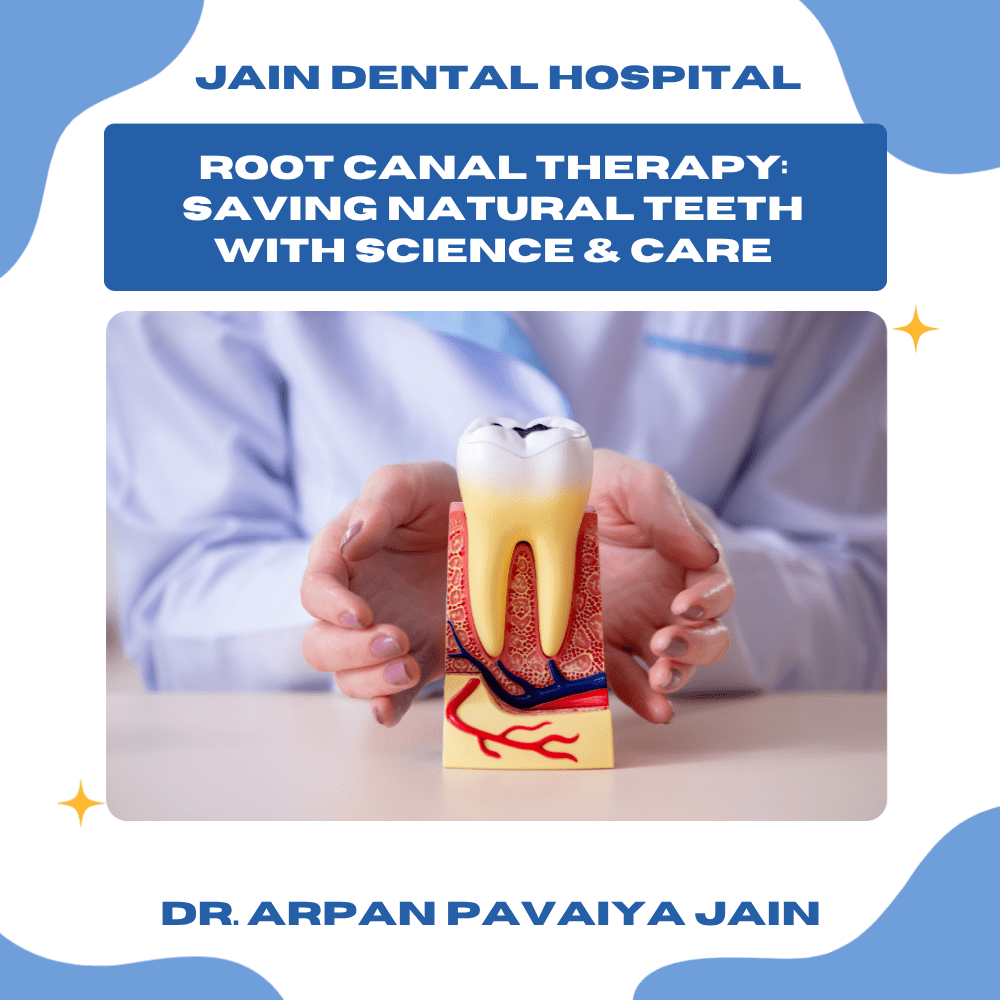
The Science behind Saving a Tooth with Root Canal Therapy
Modern root canal therapy has a remarkable 95% success rate when performed correctly—a testament to how far dental science has advanced in preserving natural teeth. Yet despite these impressive statistics, many people still view root canal treatment with unnecessary fear and misunderstanding.
Root canal therapy represents one of dentistry’s greatest achievements: the ability to save teeth that would otherwise be lost to infection, decay, or trauma. This sophisticated procedure combines precise technique with cutting-edge technology to eliminate pain while preserving your natural tooth structure for decades to come.
Understanding the science behind root canal therapy can transform your perspective on this life-saving treatment. When you know how the procedure works, why it’s necessary, and what makes it so effective, you’ll appreciate why dental professionals consider it an essential tool for maintaining oral health.
Let’s explore the fascinating world of endodontics and discover how this remarkable procedure can save your tooth while restoring your comfort and confidence.
Why Saving a Natural Tooth Matters
Your natural teeth are irreplaceable biological structures that serve far more purposes than simply chewing food. Each tooth plays a vital role in maintaining your overall oral health, facial structure, and quality of life.
Preserving Jaw Structure and Bone Health
When you lose a natural tooth, the underlying jawbone begins to deteriorate through a process called resorption. This bone loss can alter your facial appearance over time, creating a sunken or aged look. By saving your natural tooth through root canal therapy, you maintain the stimulation that keeps your jawbone healthy and strong.
Maintaining Proper Bite Alignment
Natural teeth work together as a coordinated system. When one tooth is missing, adjacent teeth can shift into the empty space, causing bite problems and potential jaw joint issues. Root canal therapy preserves this delicate balance, preventing costly orthodontic problems down the road.
Superior Function and Comfort
No artificial replacement can perfectly replicate the function of a natural tooth. Your original teeth have specialized nerve endings that provide feedback about biting force and food texture. This natural sensitivity helps protect your other teeth from excessive wear and damage.
Long-term Cost Benefits
While root canal therapy requires an initial investment, it’s significantly more cost-effective than tooth replacement options. Dental implants, bridges, or partial dentures often cost two to three times more than root canal treatment and may require additional maintenance or replacement over time.
The Anatomy of a Tooth: Understanding the Foundation
To appreciate how root canal therapy works, it’s essential to understand the complex structure of your teeth. Each tooth is a sophisticated biological system with multiple layers working together to maintain function and health.
The Protective Outer Shell
Tooth enamel forms the outermost layer and ranks as the hardest substance in the human body. This crystalline structure protects against daily wear, temperature changes, and acid attacks from oral bacteria. However, once enamel is damaged, it cannot regenerate naturally.
The Supportive Middle Layer
Beneath the enamel lies dentin, a softer but still durable tissue that makes up the bulk of your tooth structure. Dentin contains microscopic tubules that connect to the nerve center, which explains why cavities in this layer can cause sensitivity and discomfort.
The Living Core
At the heart of each tooth lies the pulp chamber and root canals, containing nerves, blood vessels, and connective tissues. This living tissue nourishes the tooth during development and provides sensory feedback throughout your life. The pulp extends through narrow canals within the tooth roots, connecting to your body’s circulatory and nervous systems.
How Infection Develops
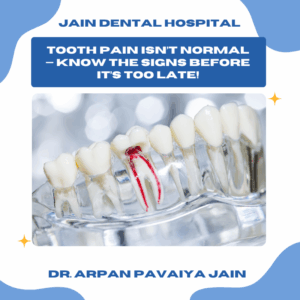
When bacteria penetrate through cracks, deep cavities, or trauma, they can reach the pulp tissue and multiply rapidly in this warm, moist environment. The infection causes inflammation, pressure, and intense pain as the tissue swells within the rigid tooth structure. Without treatment, the infection can spread beyond the tooth, causing abscesses and potentially serious health complications.
The Science Behind Root Canal Therapy
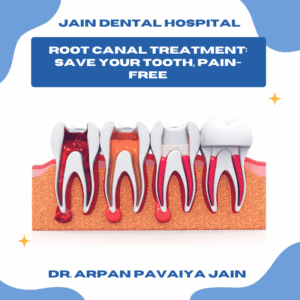
Root canal therapy is a precise, scientifically-based procedure that eliminates infection while preserving the tooth’s structural integrity. Understanding each step reveals the sophisticated approach that makes this treatment so successful.
Advanced Diagnosis and Planning
Modern root canal therapy begins with comprehensive diagnostic imaging. Digital X-rays and cone beam computed tomography (CBCT) scans provide three-dimensional views of your tooth structure, allowing endodontists to identify all canals and plan the most effective treatment approach.
Pulp vitality testing helps determine the extent of nerve damage, while percussion and palpation tests reveal the presence of infection in surrounding tissues. This thorough assessment ensures that root canal therapy is the appropriate treatment choice.
Precise Access and Cleaning
The procedure starts with creating a small access opening in the tooth’s crown, providing direct entry to the pulp chamber. Using specialized endodontic files, the dentist carefully removes all infected and inflamed tissue from the pulp chamber and root canals.
This cleaning process requires exceptional precision, as even microscopic amounts of remaining bacteria can cause treatment failure. The canals are thoroughly shaped and irrigated with antimicrobial solutions that eliminate bacteria and dissolve remaining tissue debris.
Biocompatible Sealing
Once the canals are completely clean and dry, they’re filled with gutta-percha, a rubber-like biocompatible material that creates an airtight seal. This sealing prevents bacteria from re-entering the tooth and causing reinfection.
The access opening is then sealed with a temporary or permanent filling, and in most cases, a crown is placed to restore the tooth’s full strength and protect against future damage.
Scientific Principles at Work
The success of root canal therapy relies on several key scientific principles. First, removing all infected tissue eliminates the source of pain and prevents bacterial spread. Second, thorough disinfection creates a sterile environment within the tooth. Finally, proper sealing prevents recontamination, allowing the surrounding tissues to heal completely.
Modern Technology Enhancing Root Canal Success
Recent technological advances have revolutionized root canal therapy, making treatments more comfortable, precise, and successful than ever before. These innovations demonstrate the continuous evolution of endodontic science.
Rotary Endodontic Instruments
Electric handpieces with specialized nickel-titanium files have replaced traditional hand instruments for canal shaping. These rotary instruments are more flexible and efficient, reducing treatment time while ensuring thorough cleaning of even curved or narrow canals.
Dental Operating Microscopes
High-powered microscopes provide up to 25x magnification, allowing endodontists to see details impossible to detect with the naked eye. This enhanced visualization helps identify additional canals, cracks, or other complications that could affect treatment success.
Digital Imaging and 3D Scanning
Cone beam computed tomography (CBCT) creates detailed three-dimensional images of tooth structures, revealing canal anatomy with unprecedented clarity. This technology helps plan treatments more precisely and identify potential challenges before they become problems.
Laser and Ultrasonic Technology
Dental lasers can disinfect canals more effectively than traditional irrigation methods, while ultrasonic instruments help remove stubborn debris and biofilms. These technologies enhance the cleaning process and improve long-term treatment outcomes.
Advanced Irrigation Systems
Modern irrigation techniques use specialized solutions and delivery systems to reach all areas of the canal system. These methods ensure more thorough disinfection and improved healing outcomes.
Healing and Recovery: What Happens After Treatment
Understanding the healing process after root canal therapy helps patients appreciate why this treatment is so effective at saving teeth long-term. The body’s natural healing mechanisms play a crucial role in treatment success.
Immediate Tissue Response
Following root canal therapy, the tissues surrounding the tooth root begin an immediate healing response. White blood cells remove any remaining bacteria, while new blood vessels start forming to nourish the healing tissues.
Bone Regeneration Around the Root
If infection had caused bone loss around the tooth root, new bone tissue gradually fills in these areas over several months. This regeneration process demonstrates the body’s remarkable ability to repair damage when the source of infection is eliminated.
Natural Defense Mechanisms
Your immune system continues protecting the treated tooth by maintaining healthy tissues around the roots. This ongoing protection helps prevent reinfection and ensures long-term treatment success.
Recovery Timeline and Expectations
Most patients experience significant pain relief within 24 hours after treatment. During recovery, some mild discomfort is normal as tissues adjust to the absence of infected material. Over-the-counter pain medications usually provide adequate relief, and most patients can return to normal activities within a day or two.
Common Myths vs. Scientific Facts
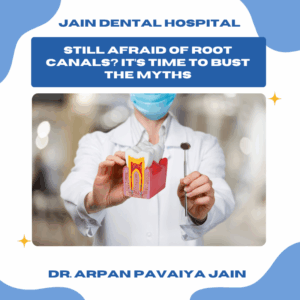
Misinformation about root canal therapy can prevent people from receiving this life-saving treatment. Let’s examine the most persistent myths alongside scientific evidence.
Myth: Root Canals Are Extremely Painful
Scientific Fact: Modern root canal therapy is no more uncomfortable than having a large filling placed. Advanced anesthetic techniques and refined procedures have made the treatment virtually painless. Most patients report that the relief from eliminating infected tissue far outweighs any temporary discomfort.
Myth: Root Canals Weaken Teeth
Scientific Fact: While removing the pulp does eliminate the tooth’s blood supply, proper restoration with a crown actually strengthens the tooth structure. Studies show that properly restored teeth after root canal therapy can last for decades with normal function.
Myth: Extraction Is Always Better Than Root Canal Therapy
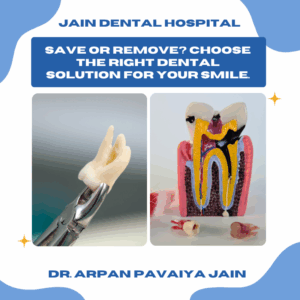
Scientific Fact: Preserving natural teeth is almost always preferable to extraction. Root canal therapy maintains your natural bite, prevents bone loss, and eliminates the need for more complex replacement procedures. The success rate for root canal therapy is significantly higher than the long-term success rate of any other dental treatments.
Myth: Root Canals Cause Illness
Scientific Fact: This outdated theory has been thoroughly debunked by modern research. There is no valid scientific evidence linking root canal therapy to systemic health problems. In fact, eliminating tooth infections improves overall health by reducing bacterial load in the body.
Myth: Root Canals Cause Illness
Scientific Fact: This outdated theory has been thoroughly debunked by modern research. There is no valid scientific evidence linking root canal therapy to systemic health problems. In fact, eliminating tooth infections improves overall health by reducing bacterial load in the body.
Success Rates and Longevity of Root Canal Therapy
Scientific research consistently demonstrates the effectiveness of root canal therapy in saving natural teeth. Understanding these statistics helps patients make informed decisions about their dental care.
Overall Success Rates
Clinical studies show that root canal therapy has a success rate of 85-97%, depending on various factors. This high success rate makes it one of the most predictable procedures in dentistry, comparable to other routine medical treatments.
Factors Influencing Success
Several factors contribute to treatment success:
- Pre-treatment condition: Teeth without extensive bone loss around the roots have higher success rates
- Quality of restoration: Proper crown placement significantly improves long-term outcomes
- Oral hygiene: Patients who maintain excellent oral care experience better results
- Smoking status: Non-smokers have higher success rates due to better healing capacity
- Systemic health: Patients without diabetes or immune system disorders typically heal more predictably
Long-term Tooth Survival
Research indicates that properly treated teeth can last 20-30 years or even a lifetime with appropriate care. A study published in the Journal of Endodontics found that 85% of root canal-treated teeth were still functioning after 20 years.
Comparing Treatment Options
When compared to tooth extraction followed by implant placement, root canal therapy shows comparable or superior long-term success rates at a significantly lower cost. Additionally, complications from root canal therapy are less frequent and typically easier to manage than implant-related problems.
Preventive Measures to Avoid Future Root Canals
While root canal therapy is highly successful, preventing the need for treatment is always preferable. Understanding risk factors and implementing preventive strategies can help maintain healthy teeth throughout your lifetime.
Essential Oral Hygiene Practices
Consistent daily care forms the foundation of prevention:
- Thorough brushing: Use fluoride toothpaste and brush for at least two minutes twice daily
- Daily flossing: Remove plaque and bacteria from between teeth where brushes can’t reach
- Antimicrobial rinse: Use therapeutic mouthwash to reduce bacterial levels in your mouth
Professional Preventive Care
Regular dental visits enable early detection and treatment of problems:
- Routine cleanings: Professional removal of tartar and plaque buildup every six months
- Comprehensive examinations: Early identification of cavities, cracks, or other issues
- Diagnostic imaging: X-rays can reveal problems not visible during clinical examination
Lifestyle Factors
Several lifestyle choices significantly impact your risk of needing root canal therapy:
- Diet modification: Limit sugary and acidic foods that contribute to tooth decay
- Protective measures: Wear mouthguards during sports or if you grind your teeth at night
- Avoiding harmful habits: Don’t chew ice, open packages with your teeth, or use tobacco products
Early Intervention
Addressing small problems prevents larger issues:
- Prompt treatment of cavities: Small fillings prevent the need for more extensive procedures
- Crack repair: Sealing minor cracks prevents bacteria from reaching the pulp
- Regular monitoring: Keep scheduled appointments even when you feel no symptoms
Protecting Your Smile for Life
Root canal therapy represents the intersection of advanced dental science and compassionate patient care. This remarkable procedure has saved millions of teeth worldwide, allowing people to maintain their natural smiles while eliminating pain and infection.
The scientific principles behind root canal therapy—precise diagnosis, thorough disinfection, and biocompatible sealing—create an environment where natural healing can occur. Modern technology continues to improve success rates while making treatment more comfortable than ever before.
When faced with the possibility of losing a tooth, root canal therapy offers a scientifically-proven solution that preserves your natural tooth structure while restoring comfort and function. The high success rates and long-term outcomes demonstrate why dental professionals consider this treatment essential for maintaining oral health.
Don’t let fear or misinformation prevent you from exploring this life-saving option. If you’re experiencing tooth pain, sensitivity, or other symptoms that might indicate pulp damage, early consultation with a dental professional can determine whether root canal therapy is right for you.
Frequently Asked Questions
How long does root canal therapy take?
Most root canal treatments can be completed in one to three visits, depending on the complexity of your case. Simple cases may be finished in a single appointment, while more complex situations involving multiple roots or previous treatment may require additional visits.
Is root canal therapy covered by dental insurance?
Most dental insurance plans cover 50-80% of root canal therapy costs, as it’s considered a standard restorative procedure. Coverage varies by plan, so check with your insurance provider for specific details about your benefits.
Can all teeth be saved with root canal therapy?
While root canal therapy is highly successful, some teeth may not be suitable candidates for treatment. Factors such as extensive structural damage, severe bone loss, or root fractures may make extraction the better option. Your endodontist will evaluate your specific situation to determine the best treatment approach.
What happens if I delay root canal treatment?
Delaying necessary root canal therapy can lead to increased pain, swelling, abscess formation, and potential tooth loss. In severe cases, infections can spread to other areas of the head and neck, requiring emergency medical treatment.
How do I care for my tooth after root canal therapy?
Follow your dentist’s post-treatment instructions, take prescribed medications as directed, avoid chewing on the treated tooth until permanent restoration is complete, and maintain excellent oral hygiene. Schedule your crown placement appointment promptly to protect the treated tooth.
Schedule Your Consultation Today
Discover the Science of Saving Your Natural Tooth with Root Canal Therapy
Don’t let infection or myths cost you your smile. Modern endodontic science makes root canal therapy or treatment safe, effective, and long-lasting—helping you preserve your natural teeth for years.
At Jain Dental Hospital, Indirapuram, Ghaziabad, we combine advanced technology with expert care to deliver painless, precise treatment.
Led by our Expert Endodontist, Dr. Rashi Aggarwal Jain, we’re here to restore your comfort and confidence.
📞 Call us at +91-9582535204 or visit 🌐 www.jaindentistdelhi.com to schedule your consultation today.

Dr. Arpan Pavaiya Jain, Director of Jain Dental Hospital, Indirapuram, Ghaziabad is a renowned Prosthodontist and Implantologist with over 20 years of expertise in advanced dentistry. A graduate of the prestigious King George’s Medical College Lucknow, he has performed more than 20,000 successful dental implant procedures. Dr. Jain leads a team of skilled professionals, offering state-of-the-art treatments in dental implants, clear aligners, cosmetic dentistry, orthodontics, and more. Known for his personalized care and commitment to excellence, he has earned a reputation as a trusted dental expert in Indirapuram, Ghaziabad.