
A Step-by-Step Guide to the Root Canal Treatment Process
The words “root canal” might make you anxious, but this common dental procedure could be the key to saving your tooth and eliminating pain. Understanding exactly what happens during a root canal treatment process can help ease your concerns and prepare you for the experience ahead.
Root canal treatment has helped millions of people preserve their natural teeth while addressing severe pain and infection. With modern techniques and anesthesia, the procedure is more comfortable than ever before. This comprehensive guide walks you through each step of the root canal procedure, from initial diagnosis to final restoration, so you know exactly what to expect.
By the end of this article, you’ll have a clear understanding of how root canal treatment works, why it’s often the best solution for damaged teeth, and how to ensure a smooth recovery.
What is Root Canal Treatment?
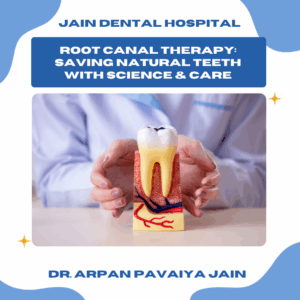
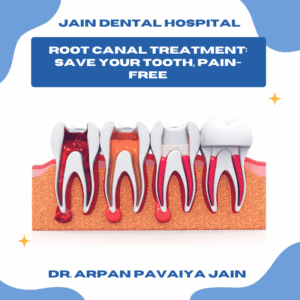
Root canal treatment, also known as endodontic therapy, is a dental procedure designed to save a severely damaged or infected tooth. Inside each tooth lies soft tissue called pulp, which contains nerves, blood vessels, and connective tissue. This pulp can become infected due to deep decay, repeated dental procedures, faulty crowns, or trauma to the tooth.
When the pulp becomes infected or inflamed, it can cause severe pain and lead to abscess formation if left untreated. Root canal treatment removes this infected tissue, cleans and disinfects the inside of the tooth, then fills and seals the space to prevent further infection.
The primary goal of root canal treatment is to eliminate infection while preserving your natural tooth structure. This allows you to maintain proper chewing function and avoid the need for tooth extraction and replacement procedures like dental implants or bridges.
Signs You Might Need a Root Canal
Recognizing the warning signs of pulp infection can help you seek treatment before the condition worsens. Common symptoms that may indicate the need for root canal treatment include:
- Severe toothache when chewing or applying pressure – This persistent pain often indicates infected or damaged pulp tissue that requires professional attention.
- Prolonged sensitivity to hot or cold temperatures – If your tooth continues to hurt after removing the hot or cold stimulus, it may signal pulp damage.
- Discoloration of the tooth – A darkening tooth can indicate that the pulp tissue inside has died and needs to be removed.
- Swelling and tenderness in nearby gums – Infected pulp can cause inflammation in the surrounding gum tissue.
- A recurring or persistent pimple on the gums – This abscess formation is a clear sign of infection that requires immediate treatment.
- Cracked or chipped tooth – Physical damage to the tooth can expose the pulp to bacteria, leading to infection.
If you experience any of these symptoms, schedule a consultation with your dentist promptly. Early intervention can increase the success rate of root canal treatment and prevent complications.
Step-by-Step Root Canal Treatment Process
Understanding each phase of the root canal procedure helps demystify the process and reduces anxiety. Here’s exactly what happens during root canal treatment:
Step 1: Diagnosis and Consultation
Your root canal journey begins with a comprehensive examination. Your dentist will review your symptoms, examine the affected tooth, and take X-rays to assess the extent of damage or infection. These diagnostic images reveal the tooth’s internal structure, helping determine if root canal treatment is the best option.
During this consultation, your dentist will explain the treatment plan, discuss alternatives, and answer any questions you may have. This thorough evaluation ensures you receive the most appropriate care for your specific situation.
Step 2: Administering Local Anesthesia
Before beginning the procedure, your dentist administers local anesthesia to numb the tooth and surrounding area. This ensures you remain comfortable throughout the treatment. The numbing process typically takes a few minutes to become fully effective.
Modern anesthetic techniques make root canal treatment virtually painless. Many patients report feeling only slight pressure during the procedure, with no significant discomfort.
Step 3: Tooth Isolation with Rubber Dam
Once the area is numb, your dentist places a rubber dam around the tooth. This thin sheet of latex or non-latex material isolates the treatment area, keeping it clean, dry, and free from saliva. The rubber dam also prevents debris from falling into your mouth during the procedure.
This isolation step is crucial for maintaining a sterile environment and ensuring the success of your root canal treatment.
Step 4: Creating Access Opening
Your dentist creates a small access hole in the crown of the tooth, typically on the chewing surface of back teeth or the back side of front teeth. This opening provides direct access to the pulp chamber and root canals.
The access opening is carefully planned to preserve as much healthy tooth structure as possible while allowing complete cleaning of the infected tissue.
Step 5: Cleaning and Shaping the Canals
This critical step involves removing all infected or damaged pulp tissue from the pulp chamber and root canals. Your dentist uses specialized instruments called files to carefully clean out the infected material.
The canals are then shaped to facilitate proper cleaning and future filling. This process may involve several different file sizes to ensure thorough removal of all bacteria and debris. Throughout this step, the canals are irrigated with antimicrobial solutions to eliminate remaining bacteria.
Step 6: Disinfecting the Canals
After cleaning, the empty canals receive thorough disinfection to eliminate any remaining bacteria. Your dentist may use antimicrobial solutions or place medication inside the tooth to ensure complete sterilization.
In some cases, particularly when dealing with severe infections, this medication may be left in place for a few days, requiring a temporary filling and a return visit to complete the procedure.
Step 7: Filling the Canals
Once the canals are completely clean and dry, they’re filled with a biocompatible material called gutta-percha. This rubber-like substance is heated and compressed to create a tight seal within the canals, preventing bacteria from re-entering the tooth.
An adhesive cement may also be used to ensure complete sealing of the canal system. This step is crucial for the long-term success of your root canal treatment.
Step 8: Temporary or Permanent Filling
The access opening in your tooth is sealed with either a temporary or permanent filling material. If you’re receiving treatment over multiple visits, a temporary filling protects the tooth between appointments.
For single-visit root canal treatments, a permanent filling may be placed immediately. Your dentist will determine the best approach based on your specific situation.
Step 9: Final Crown Placement
Most teeth requiring root canal treatment need a crown for additional strength and protection. Root canal-treated teeth can become more brittle over time, making them susceptible to fracture without proper reinforcement.
Your dentist will take impressions for a custom crown, which is typically placed during a follow-up appointment. The crown restores your tooth’s full function and provides long-term protection against future damage.
How Long Does a Root Canal Take?
The duration of root canal treatment varies depending on several factors, including the complexity of your case, the number of roots in the affected tooth, and the extent of infection present.
Single-visit treatment typically takes 60 to 90 minutes for front teeth, which usually have one root canal. Back teeth, with multiple roots and canals, may require 90 minutes to two hours.
Multiple-visit treatment may be necessary for complex cases or severe infections. The initial visit focuses on cleaning and disinfecting, while subsequent appointments complete the filling and restoration process. Most root canal treatments are completed in one to three visits.
Your dentist will provide a more specific timeframe based on your individual case during the initial consultation.
Recovery After Root Canal Treatment
Understanding what to expect after your root canal helps ensure proper healing and optimal results. Here’s what you can anticipate during recovery:
First 24-48 hours: Mild discomfort or sensitivity is normal as the anesthesia wears off. Over-the-counter pain relievers like ibuprofen or acetaminophen typically provide adequate pain management.
Pain management: Most patients experience only mild discomfort that gradually decreases over a few days. If you experience severe pain or swelling, contact your dentist immediately.
Eating recommendations: Stick to soft foods for the first few days and avoid chewing on the treated tooth until the permanent restoration is in place. Avoid very hot or cold foods that might cause sensitivity.
Oral hygiene: Continue brushing and flossing normally, but be gentle around the treated area. Good oral hygiene supports healing and prevents future complications.
Activity restrictions: You can usually return to normal activities the day after treatment, though you should avoid hard or sticky foods that could damage the temporary filling.
Common Myths About Root Canal Treatment
Several misconceptions about root canal treatment persist, often causing unnecessary anxiety. Let’s separate fact from fiction:
Myth: Root canals are extremely painful
Reality: Modern root canal treatment is virtually painless thanks to effective local anesthesia and advanced techniques. Most patients report minimal discomfort during and after the procedure.
Myth: It’s better to extract the tooth
Reality: Preserving your natural tooth is almost always preferable to extraction. Root canal treatment maintains your natural bite, prevents adjacent teeth from shifting, and eliminates the need for more complex replacement procedures.
Myth: Root canal treatment takes many appointments
Reality: Most root canal treatments are completed in one to two visits. The number of appointments depends on the complexity of your case, not the procedure itself.
Myth: Root canal treatment doesn’t last
Reality: With proper care and a crown placement, root canal-treated teeth can last a lifetime. Success rates exceed 95% for most cases.
Tips to Prevent Future Root Canals
While root canal treatment is highly effective, prevention is always preferable. These strategies help protect your teeth from future pulp infections:
- Maintain excellent oral hygiene: Brush twice daily with fluoride toothpaste and floss regularly to prevent decay that can lead to pulp infection.
- Schedule regular dental checkups: Professional cleanings and examinations help detect problems early, often before root canal treatment becomes necessary.
- Address dental problems promptly: Don’t ignore tooth pain, sensitivity, or other symptoms. Early treatment can prevent minor issues from becoming major problems.
- Wear a mouthguard during sports: Protect your teeth from trauma that can damage the pulp and require root canal treatment.
- Avoid chewing hard objects: Don’t use your teeth to crack nuts, chew ice, or open packages, as this can cause cracks that allow bacteria to reach the pulp.
- Limit sugary and acidic foods: These substances contribute to tooth decay, which can progress to pulp infection if left untreated.
When to See a Dentist Immediately
Certain symptoms require urgent dental attention, even if you’ve recently had a root canal or are considering the procedure:
- Severe, persistent pain that doesn’t respond to over-the-counter pain medication
- Significant swelling in your face, jaw, or gums
- A feeling that your bite is “off” after root canal treatment
- Loss of the temporary filling or crown
- Signs of allergic reaction to medications
- Fever accompanying dental pain
Don’t hesitate to contact your dentist if you experience any of these symptoms. Prompt attention can prevent complications and ensure the best possible outcome.
Take the Next Step Toward Pain Relief
Root canal treatment offers an effective solution for saving damaged or infected teeth while eliminating pain and preventing further complications. Understanding the step-by-step process helps reduce anxiety and prepares you for a comfortable treatment experience.
The key to successful root canal treatment lies in prompt action when symptoms appear and choosing an experienced dental professional for your care. Modern techniques make the procedure more comfortable and predictable than ever before, with excellent long-term success rates.
If you’re experiencing tooth pain, sensitivity, or other symptoms that might indicate the need for root canal treatment, don’t wait for the problem to worsen. Early intervention often leads to better outcomes and a more comfortable treatment experience.
Frequently Asked Questions
1. Is a root canal painful?
Modern root canal treatment is virtually pain-free thanks to local anesthesia and advanced techniques. Most patients experience only mild discomfort after the procedure, which can be managed with over-the-counter pain relievers.
2. How many visits are needed for a root canal?
Most root canals can be completed in 1-2 visits, depending on the complexity of the case and extent of infection. Simple cases may be finished in a single appointment, while complex situations might require additional visits.
3. How much does a root canal cost?
Root canal costs vary depending on tooth location, complexity, and your geographic area. However, root canal treatment is generally more cost-effective than tooth extraction followed by replacement with an implant or bridge.
4. How long does a root canal last?
With proper care and crown placement, a root canal-treated tooth can last a lifetime. Success rates exceed 95% for most cases when patients follow proper oral hygiene and attend regular dental checkups.
5. What should I avoid after a root canal?
Avoid chewing on the treated tooth until the permanent crown is placed. Stick to soft foods for the first few days and avoid extremely hot or cold foods that might cause sensitivity. Follow your dentist’s specific post-treatment instructions for optimal healing.
Schedule Your Consultation Today
Take the First Step Toward a Comfortable Root Canal Experience
Now that you understand the step-by-step root canal treatment process, take the next step toward saving your natural tooth with confidence.
At Jain Dental Hospital, Indirapuram, Ghaziabad, we make every root canal treatment comfortable, precise, and pain-free using advanced dental technology. Under the expert care of Dr. Arpan Pavaiya Jain, and Dr. Rashi Agarwal Jain, our compassionate team ensures your treatment is smooth, safe, and anxiety-free from start to finish.
Don’t let fear stop you from restoring your dental health—trust the process, trust the experts.
📞 Call us at +91-9582535204 or visit www.jaindentistdelhi.com to book your consultation today.

Dr. Arpan Pavaiya Jain, Director of Jain Dental Hospital, Indirapuram, Ghaziabad is a renowned Prosthodontist and Implantologist with over 20 years of expertise in advanced dentistry. A graduate of the prestigious King George’s Medical College Lucknow, he has performed more than 20,000 successful dental implant procedures. Dr. Jain leads a team of skilled professionals, offering state-of-the-art treatments in dental implants, clear aligners, cosmetic dentistry, orthodontics, and more. Known for his personalized care and commitment to excellence, he has earned a reputation as a trusted dental expert in Indirapuram, Ghaziabad.