Root Canal vs Tooth Extraction: How to Choose the Right Dental Treatment
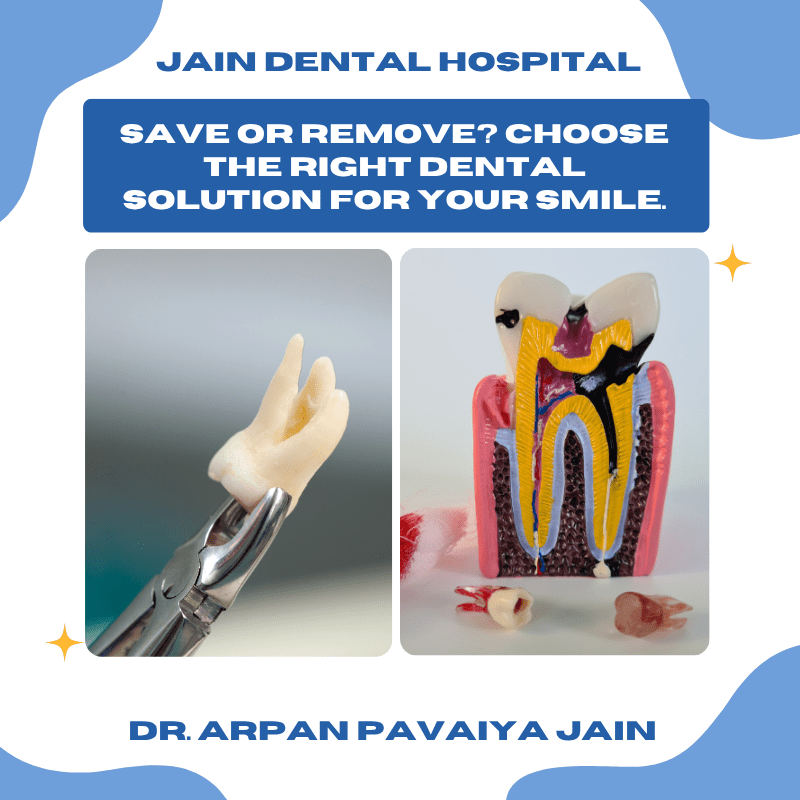
Facing a severely damaged or infected tooth can be overwhelming. You’re dealing with pain, and now you’re confronted with the root canal vs tooth extraction decision — should you save your tooth through a root canal or opt for extraction as the better solution?
This choice affects more than just your immediate comfort. It impacts your long-term oral health, appearance, and wallet. While both procedures effectively eliminate pain and prevent infection from spreading, they take very different approaches to solving your dental problem.
The good news? You don’t have to make this decision blindly. Understanding the key differences between root canal treatment and tooth extraction will help you work with your dentist to choose the option that best fits your specific situation, health goals, and budget.
By the end of this article, you’ll have a clear understanding of the advantages and drawbacks of root canals and tooth extractions. This knowledge will empower you to make an informed decision about which treatment option is most suitable for your dental health needs and personal circumstances.
What Is Root Canal Treatment?
Root canal treatment is a procedure designed to save your natural tooth when the inner pulp becomes infected or severely damaged. Think of it as intensive repair work rather than demolition.
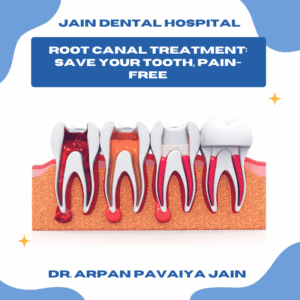
During the procedure, your dentist removes the infected or inflamed pulp from inside your tooth, thoroughly cleans and disinfects the root canals, then fills and seals the space. The tooth is typically topped with a crown to restore its strength and appearance.
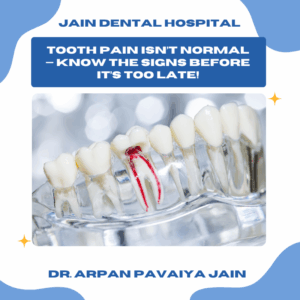
Root canal treatment becomes necessary when bacteria reach the tooth’s pulp through deep decay, cracks, or trauma. Common signs you might need this procedure include severe toothache, prolonged sensitivity to temperature, swelling around the tooth, or a persistent bad taste in your mouth.
The process usually requires one to three visits, depending on the complexity of your case. Contrary to popular belief, modern root canal treatment is no more painful than getting a large filling, thanks to effective anesthesia and advanced techniques.
Saving the natural tooth through a root canal procedure offers numerous advantages over extraction or artificial replacements. Preserving your tooth not only maintains optimal oral health but also contributes to overall functionality and aesthetics. Below are some key benefits of saving your natural tooth:
- Preservation of Natural Function: A natural tooth is better equipped to handle biting and chewing forces compared to artificial alternatives, ensuring efficient functionality for daily activities.
- Aesthetic Value: Retaining your natural tooth maintains the appearance of your smile, as it blends seamlessly with your other teeth without requiring additional cosmetic procedures.
- Prevention of Jawbone Deterioration: Removing a tooth can lead to bone loss over time; saving it helps retain the structure and strength of your jawbone.
- Cost-Effectiveness: While root canal treatment may seem costly upfront, it is a long-term investment that eliminates the need for ongoing maintenance or more expensive procedures associated with replacements.
- Protection of Adjacent Teeth: Keeping your natural tooth intact ensures that the surrounding teeth remain properly aligned, reducing the risk of shifting or creating bite issues.
What Is Tooth Extraction?
Tooth extraction involves completely removing the tooth from its socket in your jawbone. This procedure is recommended when a tooth cannot be saved through other treatments or when removal serves your overall oral health.
There are two types of extractions: simple and surgical. Simple extractions handle visible teeth that can be removed with specialized tools. Surgical extractions are more complex, often required for broken teeth or impacted wisdom teeth.
Your dentist might recommend extraction for severely decayed teeth, extensive fractures below the gum line, advanced gum disease affecting the tooth’s support structure, or overcrowding that interferes with orthodontic treatment.
The extraction process involves numbing the area, loosening the tooth, and carefully removing it. Recovery typically takes one to two weeks, during which you’ll need to follow specific care instructions to promote proper healing.
Side-by-Side Comparison: Root Canal vs Tooth Extraction
| Factor | Root Canal Treatment | Tooth Extraction |
| Purpose | Saves natural tooth | Removes problematic tooth |
| Procedure time | 1-3 appointments | Usually single appointment |
| Recovery period | 2-3 days mild discomfort | 7-14 days healing time |
| Upfront cost | Higher initial investment | Lower immediate cost |
| Long-term expenses | Minimal (crown maintenance) | Higher (replacement options) |
| Natural appearance | Maintains original look | Requires replacement for aesthetics |
| Chewing function | Full restoration | Temporary impairment until replacement |
When Root Canal Treatment Is the Better Choice
Root canal treatment shines when your tooth still has a fighting chance. This option works best for teeth with sufficient healthy structure to support a crown, mild to moderate infections that haven’t spread extensively, and situations where preserving your natural tooth alignment is important.
Your dentist will likely recommend root canal treatment if X-rays show the infection is contained, the tooth’s root structure remains intact, and you have good overall oral health. Patients who prioritize keeping their natural teeth and have the budget for the procedure often find this option most satisfying long-term.
The key advantage? You keep your natural tooth, which maintains proper chewing function and prevents surrounding teeth from shifting out of position.
Speak with your dentist if you’re experiencing pain or sensitivity — you may still be able to save the tooth.
When Tooth Extraction Is the Better Choice
Sometimes extraction becomes the most practical or necessary option. This is typically the case when tooth damage extends far below the gum line, the infection has caused severe bone loss, or the tooth lacks sufficient structure to support a crown.
Financial constraints can also make extraction more appealing initially, though it’s important to factor in replacement costs. Other situations favoring extraction include impacted wisdom teeth, severe overcrowding requiring orthodontic treatment, or medical conditions that make lengthy dental procedures risky.
If you choose extraction, remember that replacing the missing tooth with a dental implant, bridge, or partial denture helps maintain your oral health and appearance.
Long-Term Impact on Your Oral Health: Root Canal vs Tooth Extraction
The ripple effects of your choice extend far beyond the initial procedure. Root canal treatment preserves your natural bite and maintains jawbone stimulation, which keeps the surrounding bone healthy. Your other teeth stay in their proper positions, and you avoid the domino effect of dental problems that can follow tooth loss.
Tooth extraction, while solving the immediate problem, creates new considerations. Without the tooth root to stimulate the jawbone, you may experience bone resorption over time. Adjacent teeth might gradually shift toward the empty space, potentially affecting your bite and requiring orthodontic correction later.
From a financial perspective, root canal treatment typically costs more upfront but proves more economical over time. Tooth extraction followed by implant placement often exceeds the cost of root canal treatment and crown placement, especially when you factor in potential complications or the need for implant maintenance.
Understanding the Costs : Root Canal vs Tooth Extraction
Initial treatment costs represent only part of your total investment in dental health. Root canal treatment with crown restoration typically ranges from moderate to high cost upfront, but eliminates ongoing expenses related to tooth replacement.
Extraction appears less expensive initially, but replacement options add significant costs. Dental implants, while providing excellent function and appearance, require substantial investment and potential future maintenance.
Pain and Recovery Expectations: Root Canal vs Tooth Extraction
Modern root canal treatment causes minimal discomfort during the procedure, and post-treatment pain is usually manageable with over-the-counter pain relievers. Most patients return to normal activities within a day or two, though they should avoid chewing on the treated tooth until the permanent crown is placed.
Tooth extraction typically involves more initial discomfort and a longer healing period. You’ll need to stick to soft foods for several days, avoid using straws, and follow specific cleaning instructions around the extraction site. Pain management usually requires prescription medication for the first few days.
Both procedures carry small risks of complications, but following your dentist’s post-treatment instructions significantly reduces these chances.
It is crucial to know when to contact your dentist after a procedure. If you experience excessive bleeding, severe pain that doesn’t improve with prescribed medication, signs of infection such as fever or swelling, or if the extraction site or treated tooth shows unusual changes, reach out to your dentist promptly. Timely communication can prevent further complications and ensure proper healing.
Making Your Decision
Start by having an honest conversation with your dentist about your tooth’s condition, treatment options, and prognosis. Ask specific questions:
- How much healthy tooth structure remains?
- What’s the long-term success rate for each option in your case?
- What are the total costs, including any follow-up treatments?
Consider your overall health, lifestyle, and priorities. If you’re dealing with multiple dental issues, your dentist might recommend a comprehensive treatment plan that influences the best choice for this particular tooth.
Don’t rush this decision, but don’t delay treatment either. Untreated dental infections can lead to serious complications, including the spread of infection to other parts of your body.
Taking the Final Step
Choosing between root canal treatment and tooth extraction is too important to handle alone. Your dentist’s expertise, combined with your personal preferences and circumstances, will guide you to the right decision.
Don’t let dental pain control your life or delay treatment until your options become limited. The sooner you address the problem, the more treatment options you’ll have available.
Schedule Your Consultation Today
Schedule a consultation today to get a thorough examination, discuss your options, and create a treatment plan that fits your needs and budget. Your future smile depends on the decision you make now.
At Jain Dental Hospital, Indirapuram, Ghaziabad, we deliver safe, painless root canal therapy using the latest dental technology.
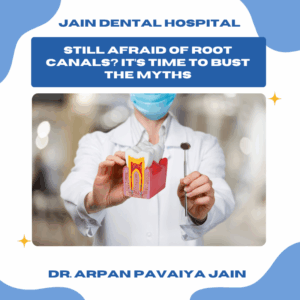
Led by our experienced endodontist, our team is here to debunk your fears with expert care and compassionate service.
Stop believing the myths—start experiencing the truth.
Call us at +91-9582535204 or visit www.jaindentistdelhi.com to schedule your consultation today

Dr. Arpan Pavaiya Jain, Director of Jain Dental Hospital, Indirapuram, Ghaziabad is a renowned Prosthodontist and Implantologist with over 20 years of expertise in advanced dentistry. A graduate of the prestigious King George’s Medical College Lucknow, he has performed more than 20,000 successful dental implant procedures. Dr. Jain leads a team of skilled professionals, offering state-of-the-art treatments in dental implants, clear aligners, cosmetic dentistry, orthodontics, and more. Known for his personalized care and commitment to excellence, he has earned a reputation as a trusted dental expert in Indirapuram, Ghaziabad.