15 Warning Signs You Might Need a Root Canal Treatment
Tooth pain that keeps you awake at night. Sensitivity that makes your morning coffee unbearable. A darkened tooth that has you covering your smile. These aren’t just minor inconveniences—they could be signs you need a root canal or your body’s way of telling you that you need a root canal.
Many people delay seeking treatment because they’re unsure whether their symptoms warrant professional care or fear the procedure itself. The truth is, recognizing the early signs you need a root canal can save your natural tooth and prevent more serious complications down the road.
Root canal treatment has come a long way from the painful procedures of decades past. Modern techniques make the process comfortable and highly successful, with over 15 million root canals performed annually in the United States alone. The key is knowing when to seek help.
This comprehensive guide will walk you through the telltale symptoms of root canal infection, help you understand what each sign means, and explain why prompt treatment is crucial for your oral health. By the end, you’ll have the knowledge to make informed decisions about your dental care and know exactly when it’s time to contact your dentist.
Think you may need a root canal? This guide will help you decide if it’s time to call your dentist. Don’t wait—addressing potential issues early can save your tooth and alleviate discomfort!
What Is a Root Canal? (And Why It’s Nothing to Fear)
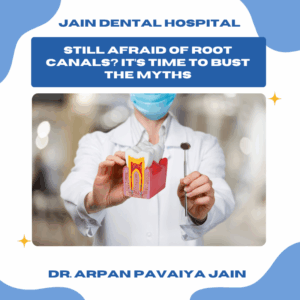
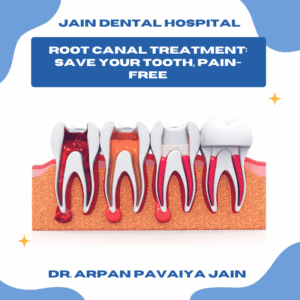
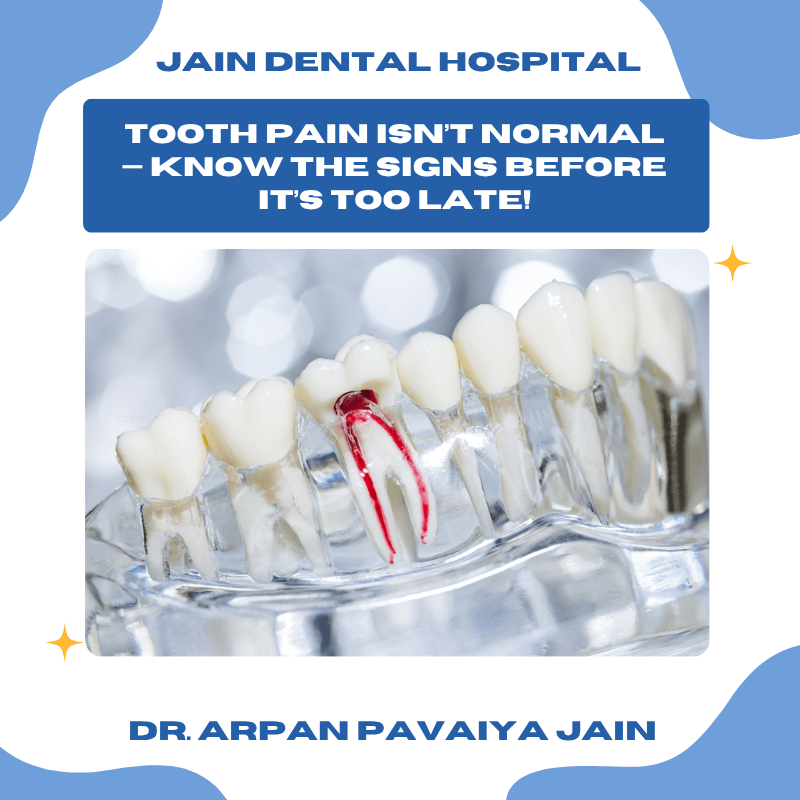
A root canal is a dental procedure designed to save a tooth that has become severely infected or damaged. Inside each tooth lies soft tissue called pulp, which contains nerves, blood vessels, and connective tissue. When this pulp becomes infected due to deep decay, cracks, or injury, it can cause intense pain and lead to serious complications if left untreated.
During root canal treatment, your dentist removes the infected pulp, thoroughly cleans and disinfects the inside of the tooth, then fills and seals the space to prevent reinfection. The procedure typically takes one to three visits and is performed under local anesthesia, making it no more uncomfortable than getting a large filling.
Contrary to popular belief, root canals don’t cause pain—they eliminate it. The procedure has a success rate of over 95%, and with proper care, a root canal-treated tooth can last a lifetime. Many patients report immediate relief from the chronic pain they’ve been experiencing.
Complete List of Signs You Might Need a Root Canal Treatment
If you’re experiencing any of the following symptoms, especially in combination, it’s time to schedule an appointment with your dentist. Early intervention can mean the difference between saving your tooth and needing more extensive treatment.
1) Persistent Tooth Pain
One of the most common signs you need a root canal is ongoing tooth pain that doesn’t respond to over-the-counter pain medication. This isn’t the brief discomfort you might feel after eating something sweet—it’s a deep, throbbing pain that can be constant or come in waves.
The pain may radiate to your jaw, ear, or other teeth, making it difficult to pinpoint the exact source. You might notice it worsens when you lie down, disrupting your sleep and daily activities. This type of persistent pain indicates that the nerve inside your tooth is likely damaged or infected.
2) Sensitivity to Hot or Cold (That Lingers)
While mild sensitivity to temperature is common, prolonged sensitivity that continues long after you’ve finished eating or drinking is a red flag. You might experience a sharp, shooting pain when sipping hot coffee or eating ice cream, followed by a dull ache that persists for minutes or even hours.
This lingering sensitivity to hot and cold often indicates that the blood vessels and nerves inside your tooth are damaged or dying. Normal sensitivity typically subsides within seconds of removing the temperature stimulus.
3) Pain When Chewing or Touching the Tooth
If applying pressure to your tooth causes significant discomfort, this could signal internal nerve inflammation or infection. You might notice pain while chewing food, biting down, or even when you accidentally touch the tooth with your tongue.
This type of pressure sensitivity often indicates that the ligaments around your tooth root have become hypersensitive due to infection. The pain may start mild but typically worsens over time without proper treatment.
4) Swollen or Tender Gums
Localized swelling around a specific tooth is often a sign of underlying infection. The affected gum area may appear red, puffy, or feel tender to the touch. You might notice discomfort when brushing or flossing around that particular tooth.
This swelling occurs when acidic waste products from dying pulp tissue cause inflammation in the surrounding gum area. The swelling may come and go, but it typically returns and can worsen without treatment.
5) Formation of a Pimple or Boil on the Gums (Dental Abscess)
A small, pus-filled bump that appears on your gums near the affected tooth is a clear sign of infection. This dental abscess may drain, leaving a foul taste in your mouth and causing persistent bad breath. The bump might disappear and reappear, but this doesn’t mean the infection has resolved.
An abscess represents your body’s attempt to fight the infection by creating a drainage pathway for pus. This is a serious condition that requires immediate dental attention to prevent the infection from spreading.
6) Discoloration or Darkening of the Tooth
When a tooth turns gray, brown, or black, it often indicates that the pulp tissue inside is dying or dead. This discoloration typically develops gradually and is most noticeable in front teeth, though it can occur in any tooth.
The color change happens because the dying pulp tissue releases toxins that can permanently stain the tooth from the inside. Unlike external staining from food or drinks, this internal discoloration cannot be removed with whitening treatments.
7) Chipped or Cracked Tooth
Even a small chip or hairline crack can expose the inner pulp to harmful bacteria, leading to infection. If you’ve recently injured a tooth through trauma, sports, or biting something hard, monitor it closely for other symptoms.
Cracks can be particularly problematic because they may not be visible to the naked eye but still allow bacteria to penetrate deep into the tooth. Sometimes, the damage to internal structures occurs immediately upon injury, even if external damage isn’t apparent.
8) Tooth Mobility or Feeling Loose
An infected tooth may begin to feel loose or move slightly when touched. This occurs because the infection can weaken the surrounding bone and ligaments that hold the tooth in place.
Tooth mobility combined with other symptoms often indicates that the infection has progressed significantly and requires immediate attention to save the tooth.
9) Gum or Facial Swelling
Swelling that extends beyond the immediate gum area to your cheek, jaw, or neck is a serious sign that the infection may be spreading. This type of swelling is often accompanied by pain, redness, and warmth in the affected area.
Facial swelling indicates that the infection has moved beyond the tooth and into surrounding tissues. This requires immediate dental and sometimes medical intervention to prevent further complications.
10) Prolonged Sensitivity to Touch or Pressure
If your tooth feels sore or “bruised” even when you’re not eating or applying direct pressure, this suggests significant nerve involvement. The tooth may feel uncomfortable constantly, as if it’s under pressure.
This type of sensitivity often indicates that the infection has reached the nerve endings and surrounding tissues, causing inflammation that makes the entire area hypersensitive.
11) Tooth or Gum Discoloration
Look for changes in the gum line around the affected tooth. The gums may appear darker, purple, or bluish compared to surrounding tissue. This discoloration can indicate compromised blood flow or tissue death.
While this symptom is often overlooked, it can be clinically significant and should be evaluated by a dental professional.
12) Bad Breath or Unpleasant Taste That Persists
Chronic bad breath that doesn’t improve with brushing, flossing, or mouthwash may indicate an internal tooth infection. You might also notice a metallic, sour, or generally unpleasant taste in your mouth.
This occurs when infected pulp tissue or draining pus creates ongoing foul odors and tastes that originate from inside the tooth rather than surface bacteria.
13) Jaw Pain or Facial Pain
Concentrated pain on one side of your jaw, especially if it’s associated with other tooth symptoms, may indicate that the infection is affecting surrounding nerves or spreading to the jawbone.
This type of pain is sometimes confused with TMJ disorders or sinus issues, making professional evaluation crucial for proper diagnosis.
14) Severe Tooth Decay
Visible black or brown holes in your tooth, deep cavities, or extensive decay are clear indicators that bacteria may have reached the pulp chamber. Even if you’re not experiencing pain yet, severe decay often requires root canal treatment.
Advanced decay creates pathways for bacteria to reach the tooth’s inner structures, often leading to infection even before symptoms become severe.
15) High Fever or Swollen Lymph Nodes (Advanced Infection)
Systemic symptoms like fever, chills, fatigue, or swollen lymph nodes in your neck indicate that the tooth infection may be spreading to your bloodstream. This is a dental emergency that requires immediate professional attention.
These symptoms suggest that your body’s immune system is fighting a serious infection that could have broader health implications if not treated promptly.
How These Symptoms Are Diagnosed by Dentists
When you visit your dentist with potential root canal symptoms, they’ll use several diagnostic tools to assess your tooth’s condition. Digital X-rays reveal the extent of decay, infection, and any changes in the surrounding bone structure.
Your dentist may perform thermal testing, applying controlled hot or cold stimuli to determine how your tooth responds. Percussion testing involves gently tapping the tooth to assess sensitivity levels. These tests, combined with your symptom description, help create a complete picture of your tooth’s health.
Modern diagnostic equipment allows for highly accurate assessment of pulp vitality, ensuring you receive the most appropriate treatment for your specific situation.
Book a consultation with Dr. Rashi Agrawal Jain a well known RCT Expert today for an accurate diagnosis and personalized treatment plan. Don’t wait—take the first step toward optimal oral health by scheduling your appointment now!
What Happens If You Ignore These Signs?
Delaying treatment when you have signs you need a root canal can lead to serious complications. The infection can spread to surrounding teeth, gums, and jawbone, potentially causing permanent damage that’s much more expensive and complex to treat.
Untreated infections can lead to abscess formation, which may require surgical drainage in addition to root canal treatment. In severe cases, the infection can spread to other parts of your body, creating systemic health risks.
Eventually, an untreated infected tooth will likely need to be extracted, requiring replacement with a dental implant, bridge, or partial denture—all more costly and time-consuming than a root canal.
When It’s Not a Root Canal: Other Conditions with Similar Symptoms
Not all tooth pain requires root canal treatment. Sensitivity from enamel erosion, early-stage cavities, or gum disease can sometimes mimic root canal symptoms. Sinus pressure can also cause tooth pain that feels similar to dental infection.
Cracked tooth syndrome, where a tooth has a crack that doesn’t extend to the pulp, may cause pain without requiring root canal treatment. TMJ disorders can also create facial and jaw pain that might be confused with dental issues.
Professional evaluation is essential to distinguish between these conditions and determine the most appropriate treatment for your specific situation.
Not Sure? Get a Second Opinion From Our Experts
If you’re uncertain about your diagnosis or treatment plan, our experienced team is here to help. Schedule a consultation today and gain clarity from trusted professionals who prioritize your dental health.
How a Root Canal Can Save Your Tooth (and Your Smile)
Root canal treatment offers numerous benefits over tooth extraction. It allows you to keep your natural tooth, maintaining proper chewing function and preventing adjacent teeth from shifting. The procedure is typically less expensive than extraction followed by tooth replacement.
Studies show that root canal-treated teeth can last a lifetime with proper care. The treatment eliminates infection while preserving your natural tooth structure, often requiring only a crown for protection and restored function.
Early root canal treatment is also less invasive than allowing an infection to progress, resulting in faster healing and better long-term outcomes.
How to Prevent Needing a Root Canal in the Future
Prevention is always preferable to treatment. Maintain excellent oral hygiene with twice-daily brushing using fluoride toothpaste and daily flossing. Regular dental checkups every six months allow for early detection and treatment of problems before they require root canal therapy.
If you grind your teeth, wear a protective mouthguard to prevent cracks and damage. Avoid chewing on hard objects like ice, pens, or hard candies that can fracture teeth.
Address dental problems promptly—small cavities are much easier and less expensive to treat than infected pulp tissue.
Book Your Preventive Dental Checkup Today
Recognizing the signs you need a root canal empowers you to take control of your oral health before problems become severe. Persistent tooth pain, sensitivity to hot and cold, swelling, or tooth discoloration aren’t symptoms to ignore—they’re your body’s way of alerting you to a problem that requires professional attention.
Modern root canal treatment is comfortable, highly successful, and can save your natural tooth for years to come. The sooner you address these symptoms, the better your chances of preserving your tooth and avoiding more complex treatments.
Don’t Ignore the Signs—Schedule Your Consultation Today
Don’t let fear or uncertainty prevent you from getting the care you need. At Jain Dental Hospital, Indirapuram, Ghaziabad, we deliver safe, painless root canal therapy using the latest dental technology.
Led by our experienced endodontist, our team is here to debunk your fears with expert care and compassionate service.
Stop believing the myths—start experiencing the truth.
Call us at +91-9582535204 or visit www.jaindentistdelhi.com to schedule your consultation today

Dr. Arpan Pavaiya Jain, Director of Jain Dental Hospital, Indirapuram, Ghaziabad is a renowned Prosthodontist and Implantologist with over 20 years of expertise in advanced dentistry. A graduate of the prestigious King George’s Medical College Lucknow, he has performed more than 20,000 successful dental implant procedures. Dr. Jain leads a team of skilled professionals, offering state-of-the-art treatments in dental implants, clear aligners, cosmetic dentistry, orthodontics, and more. Known for his personalized care and commitment to excellence, he has earned a reputation as a trusted dental expert in Indirapuram, Ghaziabad.