What Is Dental Plaque in Teeth? Causes, Effects & Prevention Explained
Have you ever run your tongue over your teeth in the morning and felt a fuzzy, sticky coating? That isn’t just “morning breath” residue—it’s dental plaque. While it might seem harmless because it’s so common, this sticky film is actually the root cause of the most frequent dental problems people face today.
Plaque is a constant presence in our mouths, forming continuously throughout the day. Because it is often colorless or pale yellow, many people underestimate it or don’t even notice it’s there until a dentist points it out. However, ignoring plaque is a risky gamble. When left unchecked, it acts as the primary culprit behind cavities, gum disease, and persistent bad breath.
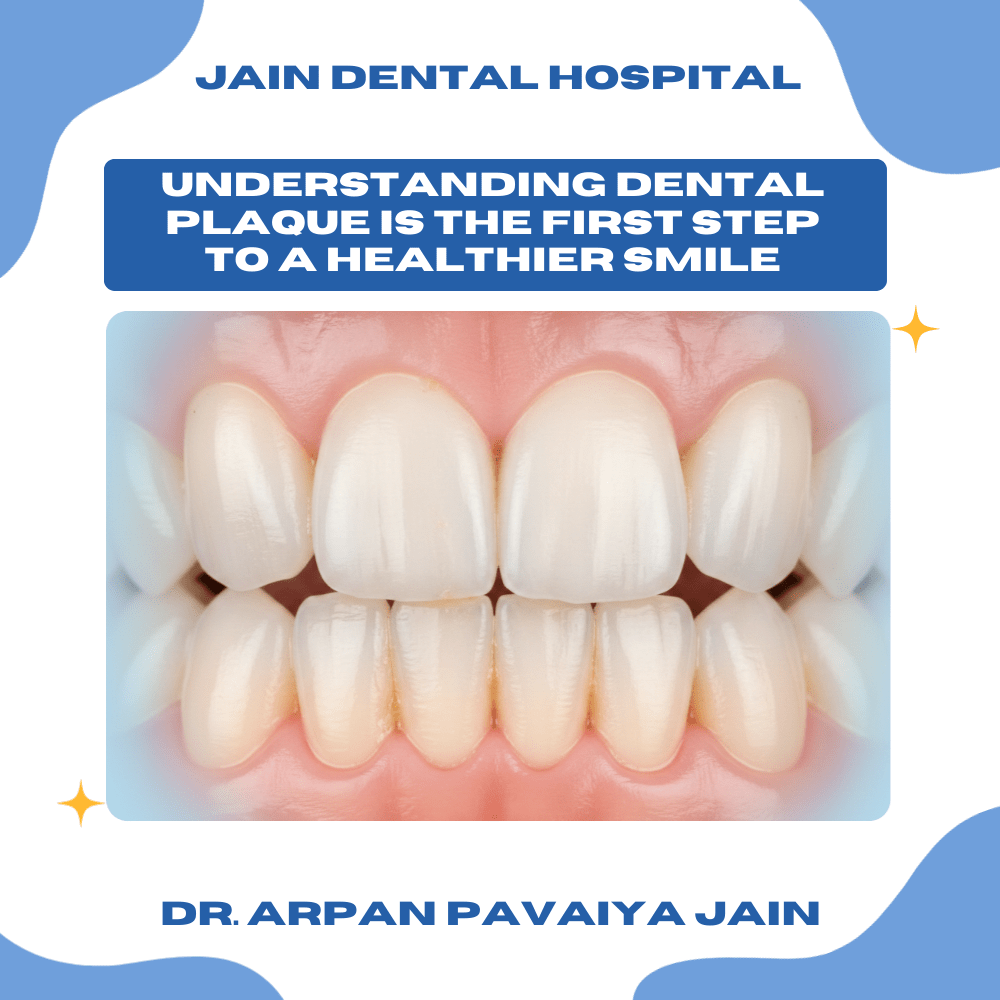
Understanding what plaque is and how it functions is the first step toward a healthier smile. This guide will break down exactly what this biofilm is, why it forms, the serious effects it can have on your oral health if ignored, and—most importantly—how you can effectively prevent it.
What Is Dental Plaque?
Dental plaque is a soft, sticky film that constantly forms on your teeth. Scientists refer to it as a “biofilm” because it is essentially a community of living microbes surrounded by a gluey layer that helps them stick to surfaces. While it is most commonly found on the visible surfaces of your teeth, it also hides along the gumline, between teeth, and even on the surface of your tongue.
It is important to distinguish plaque from food debris. While food particles can get stuck in your teeth, plaque is a microbial layer that forms regardless of whether you have just eaten. Even if you brush your teeth perfectly in the morning, the process of plaque formation begins again almost immediately.
This continuous formation happens because your mouth is a thriving ecosystem. While saliva helps wash away some bacteria, it also contains the proteins that bacteria use to anchor themselves to your enamel. This means that battling plaque isn’t a one-time event; it’s a daily maintenance requirement for oral health.
What Is Dental Plaque Made of?
If you looked at plaque under a microscope, you would see a complex ecosystem rather than just dirt or food. It is primarily composed of various types of bacteria and microbial colonies. These microorganisms thrive in the warm, moist environment of your mouth.
However, bacteria aren’t the only ingredients. Plaque also consists of:
- Saliva proteins: These help the bacteria adhere to the tooth surface.
- Food byproducts: Specifically sugars and starches that haven’t been cleaned away.
- Extracellular matrix: A sticky structure produced by the bacteria themselves to protect the colony and keep it attached to your tooth.
Think of the biofilm structure as a protective “city” for bacteria. This structure makes the bacteria more resistant to removal and allows them to multiply rapidly, which is why mechanical removal (brushing and flossing) is so critical compared to just rinsing with water.
How Does Dental Plaque Form on Teeth?
The formation of plaque is a chemical and biological process that happens in a specific sequence. It starts the moment you finish brushing your teeth and continues throughout the day.
Here is the step-by-step process of how plaque takes hold:
Step 1: Pellicle Formation: Immediately after cleaning, a thin layer of saliva proteins coats the tooth. This is called the pellicle, and it acts as a magnet for bacteria.
Step 2: Bacterial Attachment: Bacteria naturally present in your mouth attach to the pellicle.
Step 3: Food Intake: When you eat sugary or starchy foods (like bread, candy, or soda), the bacteria feed on these carbohydrates.
Step 4: Acid Production: As bacteria digest these sugars, they produce acids as a waste product. This acid is what eventually attacks tooth enamel.
The timeline for this is surprisingly fast. Plaque begins to form within hours of brushing. If it isn’t disturbed by cleaning within 12 to 24 hours, it begins to mature and thicken, becoming much harder to remove and more damaging to the gums.
Common Signs and Symptoms of Dental Plaque
Because plaque is often colorless, it can be difficult to see in its early stages. However, there are sensory cues that can alert you to its presence.
Look out for these common indicators:
- Fuzzy texture: The most obvious sign is a rough or “sweater-like” feeling when you run your tongue over your teeth.
- Visible film: In heavier accumulations, you might see a white or pale yellow substance at the gumline.
- Bad breath (Halitosis): Persistent bad breath is often caused by the waste products of plaque bacteria.
- Bleeding gums: If your gums bleed when you floss or brush, it is often a sign that plaque is irritating the gum tissue.
- Tooth sensitivity: As plaque acids wear down enamel, teeth may become sensitive to hot, cold, or sweet stimuli.
What Happens if Dental Plaque is not Removed?
Ignoring plaque doesn’t just result in dirty teeth; it leads to a cascade of oral health issues. The consequences generally fall into two categories: the hardening of plaque into tartar and the development of disease.
1. Plaque vs. Tartar (Calculus)
If plaque is left on teeth for too long (usually a matter of days), it mineralizes and hardens into tartar, also known as calculus. Unlike soft plaque, which can be brushed away, tartar bonds strongly to the enamel and can only be removed by a dental professional using special tools. Tartar provides a rough surface area for more plaque to stick to, creating a cycle of buildup that threatens gum health.
2. Oral Health Problems Caused by Plaque
When plaque sits on the teeth, the acids produced by bacteria begin to demineralize the enamel. This leads to tooth decay (cavities). Furthermore, plaque that accumulates at the gumline causes inflammation known as Gingivitis, the earliest stage of gum disease.
If left untreated, this can progress to Periodontitis, a severe infection that damages the soft tissue and destroys the bone that supports your teeth, eventually leading to tooth loss and gum recession. Additionally, research has linked periodontal disease to broader health issues, including heart disease and diabetes, highlighting the connection between oral health and overall well-being.
What causes Excessive Plaque Buildup?
While everyone gets plaque, some people struggle with buildup more than others. Understanding the risk factors can help you manage your oral hygiene better.
The primary culprits include:
- Poor oral hygiene: Skipping brushing or flossing allows bacteria to thrive.
- Diet: High consumption of sugar and starch gives bacteria the fuel they need to grow.
- Dry mouth: Saliva washes away bacteria; a lack of saliva (often caused by medications or dehydration) accelerates plaque formation.
- Crowded teeth: Crooked teeth create hiding spots for plaque that are difficult to reach with a toothbrush.
- Smoking: Tobacco use affects gum health and changes the chemistry of the mouth, often leading to more tartar buildup.
- Irregular dental visits: Missing professional cleanings allows tartar to accumulate unchecked.
How to Remove Dental Plaque Effectively
The good news is that plaque is soft and removable with the right daily habits. Combining at-home care with professional help is the gold standard for management.
At Home
Consistency is key. You should maintain a routine that includes:
- Proper brushing: Brush twice daily for two minutes using a soft-bristled toothbrush. Angle the brush toward the gumline to sweep away hidden bacteria.
- Fluoride toothpaste: Fluoride helps strengthen enamel and makes it more resistant to acid attacks.
- Flossing: Interdental cleaning is non-negotiable. It removes plaque from tight spaces between teeth where bristles can’t reach.
- Mouthwash: An antimicrobial mouthwash can help reduce the bacterial load in your mouth. Use it after brushing and flossing for the best results.
- Tongue cleaning: Bacteria also live on the tongue; brush it gently or use a tongue scraper to freshen breath and reduce plaque.
Professional Care
Even the best brushers miss spots. Professional dental scaling and polishing remove the hardened tartar that your toothbrush leaves behind. Most dentists recommend a professional cleaning every six months, though patients with gum disease may need more frequent visits.
How to Prevent Dental Plaque Long-Term
Preventing plaque isn’t just about cleaning; it’s about creating an environment in your mouth where bacteria struggle to survive.
To keep plaque at bay for the long term:
- Stick to a routine: Never skip your nightly brushing and flossing.
- Eat smart: Reduce snacking on sugary treats. If you do eat sweets, rinse your mouth with water afterward.
- Stay hydrated: Drink plenty of water to maintain saliva flow.
- Chew sugar-free gum: This stimulates saliva production and helps neutralize plaque acids.
- Use preventive products: Ask your dentist about dental sealants, which coat the chewing surfaces of molars to block plaque.
Dental Plaque vs Tartar: Key Differences
It is easy to confuse plaque and tartar, but knowing the difference helps you understand when you need to see a dentist.
| Feature | Dental Plaque | Tartar (Calculus) |
| Texture | Soft, sticky, fuzzy | Hard, crusty, mineralized |
| Removable at home? | Yes (Brushing/Flossing) | No (Professional cleaning only) |
| Color | Colorless to pale yellow | Yellow, brown, or black |
| Risk Level | Moderate (if removed daily) | High (irritates gums constantly) |
When to See a Dentist
While home care is effective for plaque, certain signs indicate that the situation has escalated beyond what you can handle alone.
Book an appointment if you notice:
- Persistent bad breath that doesn’t go away after brushing.
- Red or bleeding gums, especially during flossing.
- Visible tartar buildup (yellow or brown staining) near the gumline.
- Tooth sensitivity or pain when eating.
Conclusion : Manage Plaque for a Healthier Life
Understanding dental plaque is the first defense against tooth decay and gum disease. While it is a natural occurrence, allowing it to build up is not. By maintaining a rigorous oral hygiene routine and staying mindful of your diet, you can prevent this sticky biofilm from turning into a hardened health hazard. Proactive care is always easier—and cheaper—than reactive treatment.
Frequently Asked Questions (FAQ)
Is dental plaque normal?
Yes, plaque formation is a normal biological process. Everyone develops plaque because bacteria are naturally present in the mouth. The goal isn’t to stop it from forming completely (which is impossible) but to remove it regularly before it causes damage.
Can plaque cause bad breath?
Absolutely. The bacteria in plaque produce volatile sulfur compounds as they break down food particles. These compounds emit a foul odor, resulting in chronic bad breath, also known as halitosis.
How fast does plaque turn into tartar?
Plaque can begin to mineralize and harden into tartar in as little as 24 to 72 hours if it is not removed. This is why skipping brushing for even a few days can lead to buildup that requires professional removal.
Can plaque be removed naturally?
While mechanical removal (brushing and flossing) is the only way to physically get rid of plaque, certain natural aids can help. chewing crunchy fruits and vegetables (like apples and celery) increases saliva flow, and oil pulling (swishing coconut oil) may help reduce bacterial levels, though these should not replace standard brushing.
Is plaque more common in children or adults?
Plaque affects people of all ages. However, children may be more prone to cavities caused by plaque due to diets higher in sugar and less developed brushing motor skills. Adults, conversely, may struggle more with gum disease resulting from long-term plaque exposure.
Schedule Your Consultation Today
Understand Plaque Buildup—Before It Turns Into Dental Problems
Dental plaque forms silently on teeth every day, often without visible signs or pain. While brushing helps, plaque can easily accumulate along the gumline and between teeth—areas that are difficult to clean thoroughly at home. If left unchecked, this buildup can progress into cavities, gum disease, and persistent bad breath before you realize a problem exists.
At Jain Dental Hospital, Dr. Arpan Pavaiya Jain and Dr. Rashi Agarwal Jain take a preventive, evidence-based approach to oral care. Through professional dental examinations and cleanings, we help identify plaque buildup early, remove hardened deposits safely, and guide you on effective daily habits to protect your teeth and gums long term.
If you want clarity about plaque control and confidence that your oral health is being proactively protected, consider scheduling a routine dental checkup.
📞 Call: +91-9582535204
🌐 Visit: www.jaindentistdelhi.com

Dr. Arpan Pavaiya Jain, Director of Jain Dental Hospital, Indirapuram, Ghaziabad is a renowned Prosthodontist and Implantologist with over 20 years of expertise in advanced dentistry. A graduate of the prestigious King George’s Medical College Lucknow, he has performed more than 20,000 successful dental implant procedures. Dr. Jain leads a team of skilled professionals, offering state-of-the-art treatments in dental implants, clear aligners, cosmetic dentistry, orthodontics, and more. Known for his personalized care and commitment to excellence, he has earned a reputation as a trusted dental expert in Indirapuram, Ghaziabad.