Am I a Good Candidate for Clear Aligners?
- Am I a good candidate for clear aligners? Likely yes, if your crowding, gaps or bite problem is mild to moderate. Your teeth and gums should be healthy and your adult teeth in. You also need to wear aligners 20 to 22 hours a day.
- When another plan fits better: Jaw-based bite problems, severe crowding or big tooth rotations may need braces or a combined plan. Gum disease or cavities usually mean “not yet”, not “no”. They are treated first, and then aligners are checked again.
- What decides it for sure: Only an in-person orthodontic evaluation, with X-rays and a 3D scan, can confirm it. A mirror or an online quiz cannot see your roots, bone or gums.
- What you can do today: Take the 9-question self-check in this guide and note any “no” or “not sure” answers. Bring them to your evaluation, along with questions about attachments, check-ups and retainers.
Are you in Ghaziabad or elsewhere in Delhi NCR and wondering, “Am I a good candidate for clear aligners?” Many people like the idea of trays that are hard to notice. But wanting aligners and being right for them are not the same thing. This guide explains who aligners usually suit, such as people with mild to moderate crowding, gaps or some bite problems. It also shows when braces or a “not yet” plan may work better. You will learn what mild, moderate and severe really look like, and why healthy teeth and gums come first. You will also see how wearing aligners 20 to 22 hours a day affects results. The guide covers clear aligners for adults and teens, a 9-question self-check, and what happens at an orthodontic evaluation at our Indirapuram, Ghaziabad clinic. Read the full post for clear, honest guidance on whether aligners suit your teeth.
Clear aligner treatment works well for many people, but not for everyone. Some people do better with braces, and some need to treat their gums or a cavity first. At Jain Dental Clinic, we offer both braces and clear aligners, so our only aim is to find what suits your teeth.
Below, you will find a quick suitability table, the questions to ask your dentist, and the honest limits of aligners. Let’s start with the five things dentists look at.
Who Is a Good Candidate for Clear Aligners? The 5 Things Dentists Check
Whether aligners suit you depends on five things, and dentists look at them together. Each one is covered later in this guide.
- Your teeth problem and its severity: Aligners work best on mild to moderate crowding, gaps and some bite problems.
- Your teeth and gums: Teeth can only move safely on a healthy base.
- Your age and dental development: Adults have no upper age limit, but teens need their adult teeth in first.
- Your daily habits: Aligners only work while you wear them, which means most of the day.
- Your expectations: Aligners move teeth slowly, over months.
Clear aligner candidates do not need to be perfect on all five. For how aligners work or complete details about Clear aligners, see our Clear aligners resource center.
First, Is Your Concern About Tooth Position?
Clear aligners move teeth into a better position, and that is all they do. So first ask what you want to change about your smile.
- Crowded, crooked or gapped teeth: These are position problems, where aligners often help.
- Some bite problems: Aligners can sometimes help, depending on whether the cause is in the teeth or the jaw.
- Yellow or dark teeth: This is a colour problem, so whitening is usually the better answer.
- Chipped, small or uneven-shaped teeth: Aligners cannot change tooth shape, but bonding or veneers can.
- Too much gum showing when you smile: This is usually about the gums, so a gum check comes first.
Sometimes a mix works best: aligners first, then whitening or bonding.
Which Teeth Problems Can Clear Aligners Fix?
Aligners handle crowded teeth, gaps and mildly crooked teeth best, as long as the problem is mild to moderate. A large research review on clear aligners points the same way. Here is what that means, and where the limits start.
Mild, Moderate or Severe: What Do These Words Mean?
Our dentists describe the three levels like this:
- Mild: Teeth slightly overlap or are slightly rotated. Gaps are small, and the bite looks mostly normal.
- Moderate: Several teeth overlap or are clearly rotated. Gaps are noticeable, and the bite is a little off.
- Severe: A tooth sits fully out of line or can’t come in. Gaps are very large, or the jaws don’t line up.
Dentists also measure how much space is missing in the dental arch (the curved row of teeth). Up to about 3 mm is mild, 4 to 6 mm is moderate, and more than 6 mm is severe. Aligners usually work best for mild to moderate crowding.
This is a rough guide, not a diagnosis. Teeth that look alike in a mirror can need very different movements, which only X-rays and a 3D scan reveal.
Clear Aligners for Crowded Teeth
Yes, clear aligners for crowded teeth work well in many cases. Crowding, the most common cause of crooked teeth, means there is not enough room for every tooth. To make room, your dentist may use:
- Polishing between teeth (IPR): A very thin layer of enamel is smoothed off the sides of some teeth.
- Slight widening of the arch: In suitable cases, the row of teeth is widened a little.
- Removing a tooth: Only some severe cases need this, and braces may give more control.
Most patients also get attachments, small tooth-coloured bumps that help aligners grip. We use them in most cases, so they are no sign of a difficult case.
Clear Aligners for Gaps in Teeth
Small to medium gaps, including a gap between the front teeth, often close well. Clear aligners for gaps in teeth move the teeth together one small step at a time.
The cause of the teeth spacing matters, though. Gaps can come from small or missing teeth, a thick band of tissue between the front teeth (the frenum), a tongue-pushing habit or gum disease. If the cause is not treated, the gap can return.
Crooked or Rotated Teeth
Mildly crooked teeth usually respond well. A rotated tooth is twisted in its place, so it faces a slightly different way.
A small rotation is usually fine. A tooth that is rotated a lot, or sits too high or too low, is harder to move with aligners alone. It may need braces, or it may take longer and need extra aligners.
Bite Problems: Overbite, Underbite, Crossbite and Open Bite
Some bite problems respond well to aligners, but it depends on the cause. Here are the four common types of bite problems:
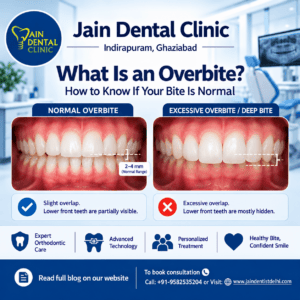
- Overbite: Your upper front teeth cover too much of the lower ones. See what an overbite is.
- Underbite: Your lower front teeth close in front of your upper front teeth.
- Crossbite: Some upper teeth close inside the lower teeth, instead of outside.
- Open bite: Your front teeth do not touch, even when your back teeth are closed.
The key question is whether the problem is tooth-based (dental) or jaw-based (skeletal).
- Tooth-based problems: The teeth are out of place, but the jaws are in proportion. Aligners can help many mild to moderate cases, often with small rubber bands (elastics). For overbites, we often add bite ramps, small raised areas on the aligners.
- Jaw-based problems: The jaw bones are out of line, and aligners cannot move bone. Braces may be needed, and some severe cases need jaw surgery, planned with a specialist surgeon after growth has finished.
So no one can honestly promise aligners will fix every bite.
Teeth That Moved Back After Braces
Did your teeth shift after braces years ago? This often happens when retainers are not worn. Adults whose teeth have moved after braces are often good candidates for clear aligners, because the movement needed is usually small. The dentist still checks why the teeth moved and how healthy the gums and bone are.
We often treat these cases with aligners, with a retainer plan from day one. Read why it happens: teeth that moved after braces.
Clear Aligner Suitability at a Glance
Use this summary as a starting point, not a diagnosis.
Clear aligner candidates: which teeth problems usually suit aligners
| Teeth problem | Usually suitable for aligners? | What the dentist checks |
|---|---|---|
| Mild to moderate crowding | Usually yes | How much space is needed |
| Severe crowding | Depends - braces may suit better | Whether a tooth needs to be removed |
| Small to medium gaps | Usually yes | Why the gap is there |
| Mildly crooked teeth | Usually yes | Tooth position |
| Rotated teeth | Depends - a small rotation is usually fine; a big rotation may need braces, or may take longer and need extra aligners | How much the tooth is rotated, and how it affects your bite, the look and balance of your smile, and how easy your teeth are to keep clean |
| Mild to moderate overbite | Often yes | Teeth vs jaw |
| Underbite | Depends | Teeth vs jaw |
| Crossbite | Depends | Which teeth; teeth vs jaw |
| Open bite | Depends | Cause (e.g.tongue habit); teeth vs jaw |
| Teeth shifted after braces | Usually yes | Gum and bone health |
| Jaw bones out of line | Not on their own | May need braces + jaw surgery |
Who May Not Be a Good Candidate for Clear Aligners?
Being told that braces suit you better is not bad news. Braces and aligners both work well, but they suit different problems. An international expert consensus study has also set out where aligners work well and where they reach their limits.
Aligners may not be the right choice on their own when:
- The jaw bones are out of line: Aligners cannot move bone, so braces or a combined plan is usually needed.
- Severe crowding needs teeth removed: Braces often give closer control over these tooth movements.
- Teeth have big rotations or need moving up or down: These movements are harder for aligners alone.
- A tooth is stuck in the bone: An impacted tooth (one that cannot come through the gum) usually needs a different plan.
- You won’t wear them most of the day: Fixed braces keep working without you having to remember them.
- You expect what aligners cannot do: They will not change tooth colour or shape, and they work over months, not weeks.
Because Jain Dental Clinic offers both, your dentist can recommend whatever fits your case. As our dentists put it:
“Most adults we see with mild crowding or small gaps do well with clear aligners. When a tooth needs a big change in alignment, or the jaws don’t line up, we usually suggest braces or a combined plan.”
Weighing up the two? Our guide on clear aligners vs braces compares them side by side.
Do You Need Healthy Teeth and Gums for Clear Aligners?
Yes. Your teeth move through the gum and bone around them, so aligners need healthy teeth and gums. Decay or gum disease is treated first, which usually means a short delay, not a “no”.
- Gum disease: Watch for bleeding or swollen gums and loose teeth. Moving teeth through inflamed gums can speed up bone loss, so the gums are settled first. Once gum disease is treated and stable, you can often still have aligners, with closer check-ups.
- Cavities or infection: These are treated first. Aligners cover your teeth most of the day, so an untreated cavity can trap food and sugar against the tooth.
What If You Have Crowns, Bridges, Implants or Missing Teeth?
Existing dental work does not rule you out. It simply changes the plan.
- Crowns and veneers: The teeth can usually still be moved, though attachments may need a different bonding method.
- Bridges: The joined teeth cannot move separately, so the plan works around them.
- Implants: An implant is fixed in the jawbone and stays put. Sometimes teeth are moved first to make room for a future dental implant.
- Missing teeth: Aligners can close the gap or keep space for a replacement tooth.
Health Conditions Your Dentist Will Ask About
Tell your dentist about any health conditions and medicines you take. Some, like uncontrolled diabetes or certain bone-strengthening medicines, can affect your gums or how teeth move. If you are pregnant, your dentist may suggest waiting before taking X-rays.
Who Can Get Clear Aligners? Age and Dental Development
There is no upper age limit for clear aligners. What matters is how healthy your teeth, gums and bone are. For teenagers, the main question is whether all the adult teeth have come in.
Clear Aligners for Adults
Adults in their 30s, 40s, 50s and beyond can be good candidates. Your dentist just checks fillings, crowns and gum recession (gums pulled back from the teeth) more closely. For working professionals, clear aligners for adults are a discreet option, but the case must suit aligners first.
Clear Aligners for Teenagers: What Parents Should Check
Most adult teeth, including the second molars (the last back teeth before wisdom teeth), are usually in by about 12 to 13. We usually start aligners for teens at around 13 to 15, once all the adult teeth have come in. In some cases, when the first molars need to be moved back, we may start earlier. We also offer a teen option with wear indicators, small marks that show whether the aligners are being worn enough.
Before you decide, ask yourself:
- Does your teen brush without reminders? Food trapped under aligners makes cleaning essential.
- Do they keep track of specs, phone or earphones? Aligners come out at every meal, and lost ones slow treatment down.
- Will they wear them at school and tuition too? Evenings at home alone are not enough.
- Do they play contact sports? Ask your dentist how to protect the teeth during games.
- Do they want this themselves? Teens who want the result wear aligners more reliably.
In children who still have some milk teeth, aligners can get in the way of the adult teeth coming in.
Are Clear Aligners Right for Me? Habits and Expectations Matter Too
Aligners work only while you wear them, so your habits matter as much as your teeth. The normal aligner wear time is 20 to 22 hours a day; they come out only to eat, brush, or drink anything except plain water.
As our dentists put it, many patients “assume that it is some magic trick and underestimate the wearing time.” Each set of aligners is usually planned for about 3 weeks, but this varies. If the aligners are worn for fewer hours than needed, the next set may not fit.
Here is how aligners fit into a typical day:
- Chai or coffee through the day: Take the aligners out each time, as hot drinks can bend them.
- Frequent snacking: Each snack means aligners out, then a brush or rinse, so fixed mealtimes help.
- Smoking, chewing tobacco, paan or gutka: These stain aligners and harm the gums, so it is best to stop during treatment.
- A wedding or big event coming up: Tell your dentist the date early; a rushed plan is not a good plan.
- Check-ups: These are usually every 6 to 8 weeks, and some can be done remotely. If you travel a lot or may move cities, tell your dentist first.
- Speaking for work: Some people notice a slight lisp for the first few days. It usually settles as the tongue gets used to the aligners.
The Commitment After Treatment: Retainers
After aligners, you need retainers to keep your teeth in their new place. Depending on your case, this may be a thin fixed wire behind the front teeth, a removable clear retainer, or both. Most patients wear the removable retainer full-time at first, then at night. If you had gaps between many teeth, you may need to wear retainers for life to stop the gaps from coming back.
Without retainers, the result may not last. Read more on why retainers matter.
Are Your Expectations Realistic?
Aligners work over months, not weeks. The 3D preview you see first is a plan, not a promise, as teeth do not always move exactly as planned.
Extra aligners near the end are sometimes needed. They don’t mean the treatment failed. They are more likely if the aligners are not worn for enough hours, or if a tooth is rotated a lot.
Clear Aligners Eligibility: A Quick 9-Question Self-Check
Answer each question with yes, no or not sure. It gives you a fair idea, not a diagnosis.
Clear aligner self-check
- Is your main concern the position of your teeth (crowding, gaps, crooked teeth or bite), not their colour or shape?
- Would you call your problem mild or moderate, rather than severe?
- Are your gums free from regular bleeding, swelling or looseness?
- Has any tooth decay or tooth pain already been treated?
- Have all or most of your adult teeth come in?
- Can you wear aligners 20 to 22 hours a day, at work or school too, and brush before putting them back after meals?
- Can you come in for check-ups every 6 to 8 weeks? (Some can be done remotely.)
- Are you willing to wear retainers after treatment?
- Are you okay with results taking months, and with extra aligners if they are needed?
What your answers mean:
- Mostly “yes”: You are likely a good candidate, and an orthodontic evaluation will confirm it.
- “No” to question 3 or 4: You may be a “not yet” until your gums or teeth are treated.
- “No” to question 2 or 6: Braces or a combined plan may suit you better.
- “No” to question 7 or 9: Talk this through with your dentist, who can explain what to expect.
- “Not sure” on any question: That is normal, and it is exactly what the evaluation is for.
“Not Yet” Is Not the Same as “No”
“Not yet” usually means just one thing needs fixing first. The most common reasons our dentists say it are gum inflammation or gum disease, and cavities that need filling. We treat both at the same clinic, and then check your aligner plan again.
How Your Dentist Confirms It: The Orthodontic Evaluation
Only an in-person orthodontic evaluation can answer “am I a good candidate for clear aligners?” for certain. It shows what is happening in your roots, bone and jaws.
Here is what the evaluation for clear aligner treatment in Indirapuram looks like at Jain Dental Clinic:
- A talk about your goals: We go through what you want to change, plus your dental and medical history.
- A check of your mouth: Your dentist looks at your teeth, gums, bite and jaw joints.
- X-rays: A full-mouth X-ray (OPG) shows the roots and bone. A side-view jaw X-ray (cephalogram) is taken only when needed.
- Photos and a 3D scan: We take photos of your face and teeth and a digital 3D scan with our Straumann and Panda scanners, with moulds when needed.
- A 3D preview: You see how your teeth are planned to move.
- An honest recommendation: Your dentist explains whether aligners, braces, a combined plan or “not yet” suits you, and why.
Can an Online Quiz Tell You If You’re a Candidate?
An online quiz or a few photos can show whether aligners are worth looking into, and so can the self-check above. However, none of them can check your roots, bone, gum health or jaw position, and these decide the answer. The American Association of Orthodontists also advises an in-person check before any tooth-straightening treatment.
Questions to Ask at Your Clear Aligner Consultation
Bring these questions to your clear aligner consultation:
- What is my problem, and how severe is it? This shows where your case sits.
- Can aligners fully correct it? Some cases need a combined plan for the full result.
- Would braces work better for me, and why? Ask for the reasons, not just the answer.
- Do I need any treatment first? Gum care or fillings may come first.
- Will I need attachments, elastics or extra aligners? Knowing early sets realistic expectations.
- What if my teeth don’t move as planned? Ask how changes are handled.
- What happens after treatment? Ask about the retainer plan.
What will affect the cost in my case? Your dentist can explain this, and our guide on the cost of clear aligners covers the main factors.
Frequently Asked Questions (FAQ) About Teeth Straightening Pain
Quick answers to common questions about clear aligner suitability. Each answer stands on its own.
Can anyone get clear aligners?
Not everyone. Many people with mild to moderate crowding or gaps qualify, but who can get clear aligners depends on the type and severity of the problem. Healthy gums matter too, and so does wearing the trays for most of the day. A dentist’s exam confirms whether you fit.
Am I too old for clear aligners?
No. There is no upper age limit for aligners. Adults in their 40s, 50s and beyond can straighten their teeth, as long as their gums and bone are healthy. Your dentist simply checks older fillings, crowns and any gum recession more closely before planning your treatment.
Can clear aligners fix severe crowding?
Sometimes, but not always. Severe crowding may need a tooth removed to make room, and braces often give closer control in these cases. Your dentist decides after looking at your X-rays and 3D scan, and may suggest braces or a combined plan instead.
Can I get clear aligners if I have cavities or gum disease?
Not while they are active. Cavities need filling and gum disease needs treating first, because teeth should only move on a healthy base. At our clinic, we take care of both and then check your aligner plan again. For most people, this is a short delay rather than a “no”.
Can clear aligners fix an overbite or underbite?
Many mild to moderate overbites, yes, often with elastics (small rubber bands) and bite ramps (small raised areas on the aligners). Underbites depend on the cause. If the teeth are out of place, aligners may help, but a jaw-based underbite usually needs braces, and severe cases may need surgery.
Does needing attachments mean my case is difficult?
No. Attachments are small tooth-coloured bumps fixed to some teeth, so the aligners can grip and move them properly. We use them in most of our aligner cases, so they are a normal part of treatment. They are removed once your treatment is finished.
How do I know for sure if I am a good candidate for clear aligners?
An in-person orthodontic evaluation is the only reliable way to know. Your dentist checks your teeth, gums and bite, takes a full-mouth X-ray, and makes a digital 3D scan. Together, these show whether aligners, braces, a combined plan or “not yet” suits your teeth best.
Conclusion: Am I a Good Candidate for Clear Aligners? The Honest Answer
If you are still asking “am I a good candidate for clear aligners?”, the answer is likely yes when a few things line up. Your crowding, gaps or bite problem should be mild to moderate, your teeth and gums should be healthy, and you should be ready for daily wear and retainers.
A more complex case is not a dead end. Braces, a combined plan, or a short “not yet” while your gums or teeth are treated can still lead to a straighter smile.
A mirror or a quiz can only take you so far. Only an orthodontic evaluation can see your roots, bone and bite, and turn a good guess into a clear answer.
Schedule Your Consultation Today
Find Out If Clear Aligners Are Right for Your Teeth
Want to know which of those outcomes fits you? Book a clear aligner consultation and get an honest answer based on your own teeth.
At Jain Dental Clinic in Indirapuram, Ghaziabad, Dr. Arpan Pavaiya Jain and Dr. Rashi Agarwal Jain check your teeth, gums, bite and jaw joints. They take a full-mouth X-ray and a 3D scan before they suggest any plan. If your gums or a cavity need care first, that comes first. The visit is for adults and teenagers alike.
As an authorized Invisalign provider that also offers braces, the clinic can recommend what suits your case instead of pushing one treatment.
📞 Call: +91-9582535204 | 🌐 Visit: jaindentistdelhi.com
Medical Advice Disclaimer:
The information provided in this article is for general educational and informational purposes only and is not intended as professional medical or dental advice, diagnosis, or treatment. While we strive for accuracy, every patient’s dental anatomy and clinical needs are unique. Always seek the advice of your dentist or another qualified healthcare provider with any questions you may have regarding a medical condition. Never disregard professional medical advice or delay seeking it because of something you have read on this website

Dr. Arpan Pavaiya Jain, Director of Jain Dental Clinic, Indirapuram, Ghaziabad is a renowned Prosthodontist and Implantologist with over 25 years of expertise in advanced dentistry. A graduate of the prestigious King George’s Medical College Lucknow, he has performed more than 20,000 successful dental implant procedures. Dr. Arpan Pavaiya Jain leads a team of skilled professionals, offering state-of-the-art treatments in dental implants, clear aligners, cosmetic dentistry, orthodontics, and more. Known for his personalized care and commitment to excellence, he has earned a reputation as a trusted dental expert in Indirapuram, Ghaziabad.